

Blog
Drawer Cabinet Ideas That Improve Office Organization and Access

Drawer Cabinet Ideas That Improve Office Organization and Access
It may appear that a drawer cabinet isn’t just a mere furniture item, but it can entirely transform the way an office remains organized and how effortlessly a group of workers locates what they require. The right cabinet at the right location will make the place less cluttered, it will save time and make the daily work feel easier. This article will explore the best ideas of drawer cabinets, the various types of them and how to select one which suits your workspace.
Why a Drawer Cabinet Matters in Office Organization
A drawer cabinet isn’t merely a storage box. It’s a viable option to maintain a tidy desk. With everything in its place, you don’t lose time searching for pens, documents or other office necessities. A study conducted in the University of California revealed that a messy workspace can decrease productivity up to 40 percent.
Other than storage, drawer cabinets can also be used in offices as they make them look more professional and orderly. Regardless of whether you are working alone or in a team, having a place where you can keep things that you need daily helps you focus better and eliminates stress.
Types of Office Drawer Cabinets
Various offices require different storage options. These are the most frequently used types and their applications.
Mobile Pedestals
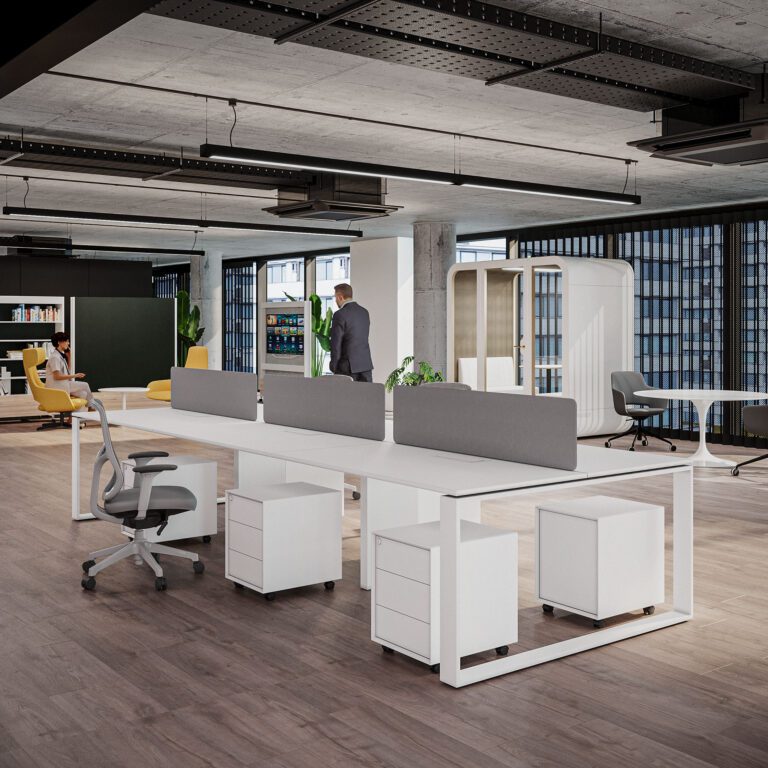
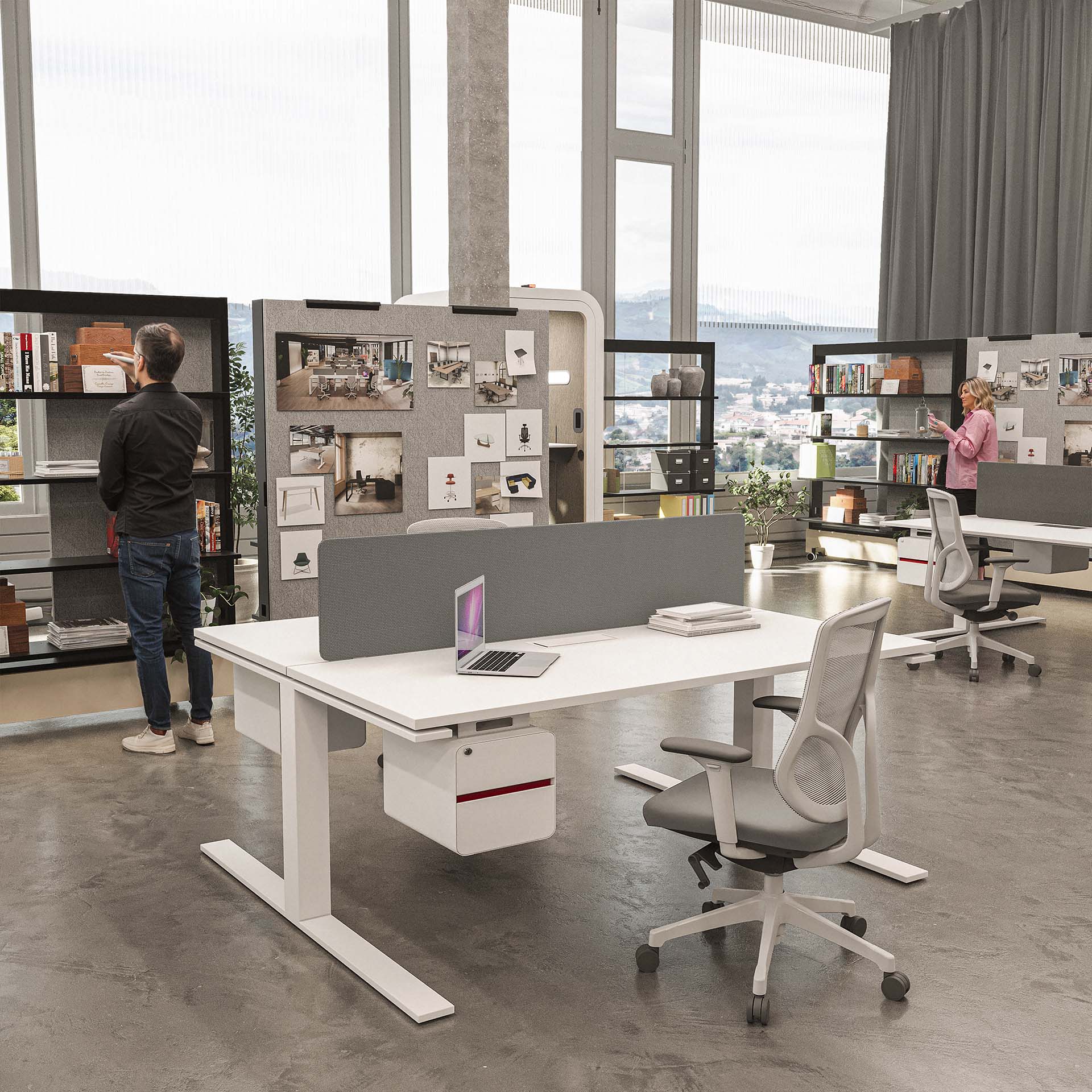
A mobile pedestal is a small rolling cabinet, which can easily fit under a desk. It’s ideal to those employees who need their files nearby. Since it can move, teams can utilize it at meetings or can move it to create space. It works well in contemporary flexible offices.
Wooden, Metal, and Plastic Cabinets
Materials matter.
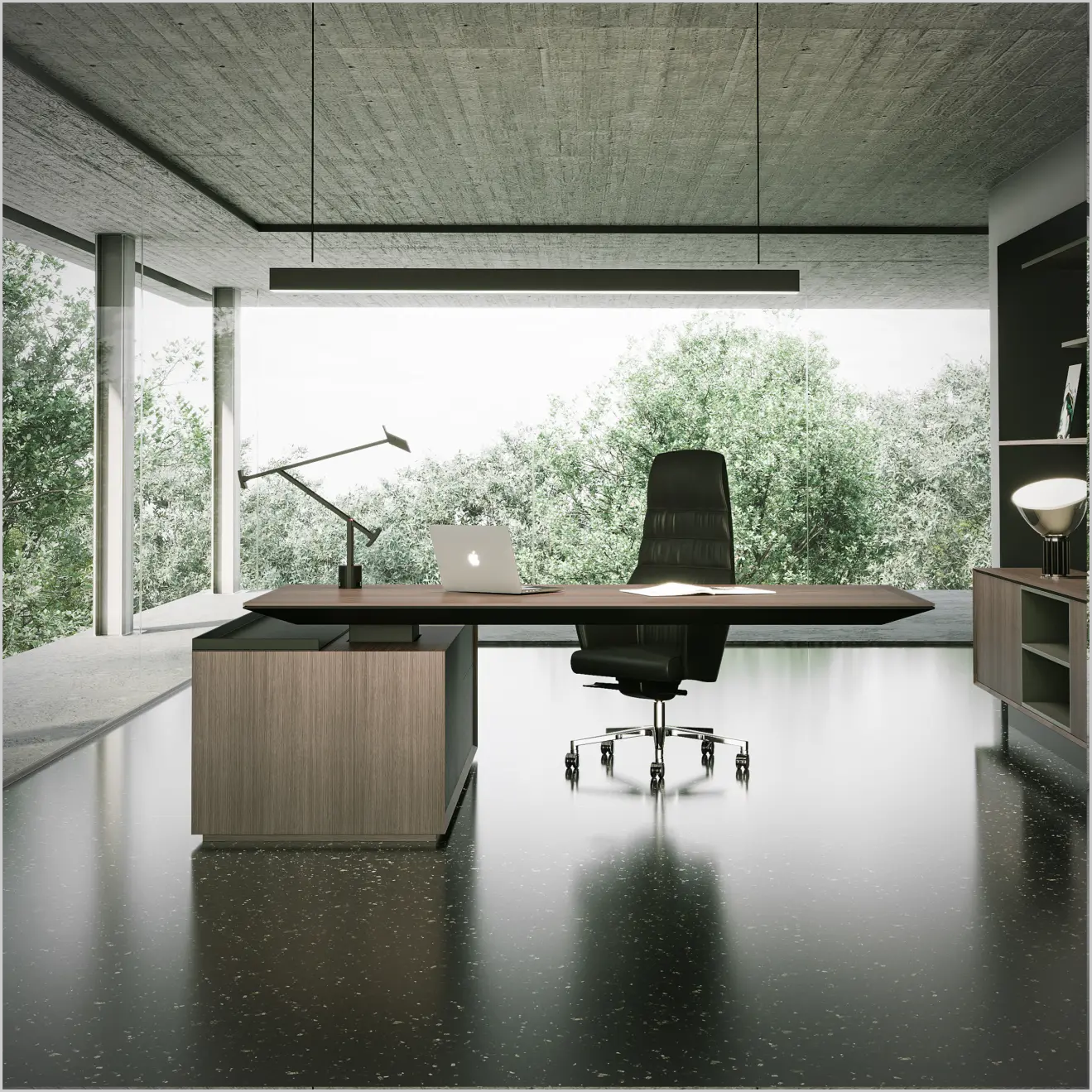
- Wooden cabinets achieve a warm polished appearance in executive space.
- The metal cabinets are robust and suitable to the heavy files or daily operations.
- Plastic options are light and can be used in light storage.
The selection of the appropriate material will be based on the frequency of use of the cabinet, the weight that will be carried, and the office style.
Vertical vs. Horizontal Cabinets
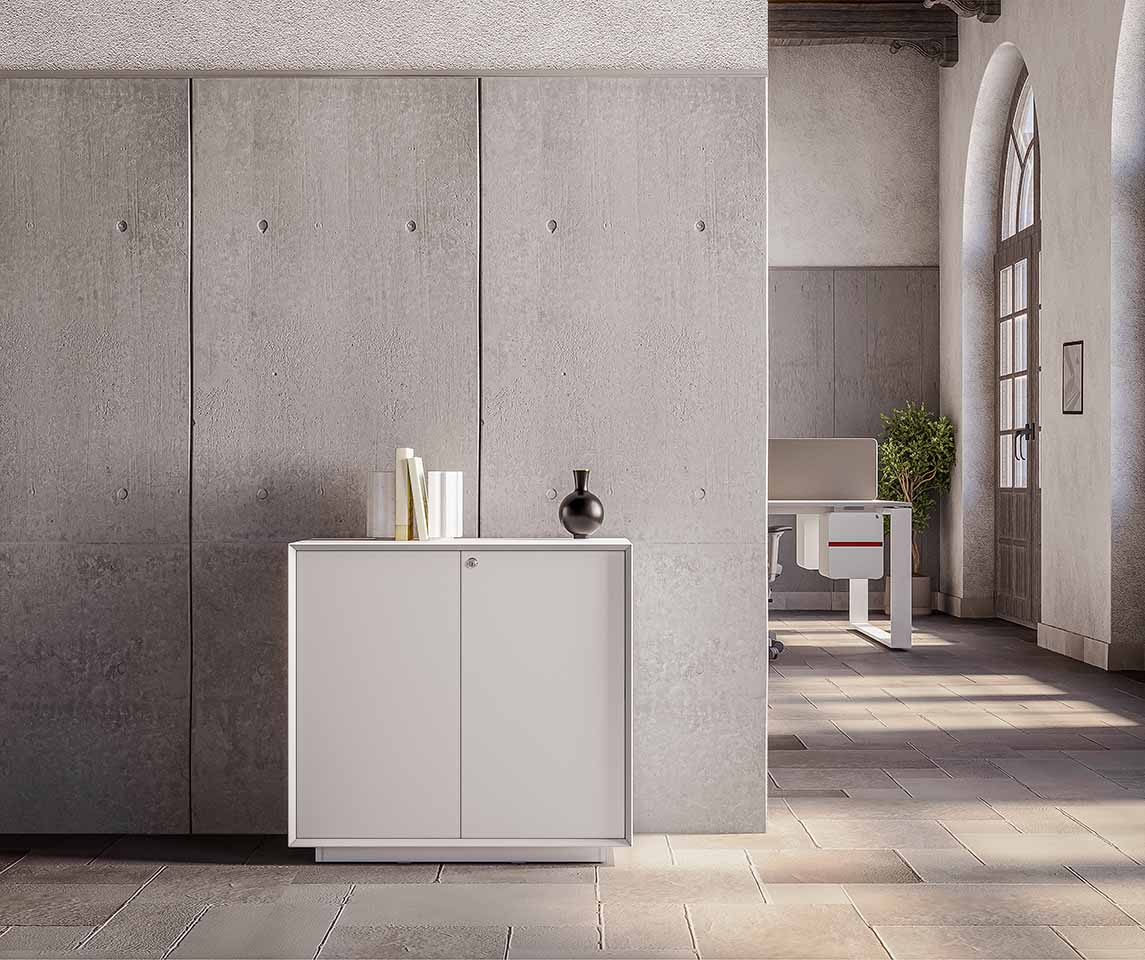
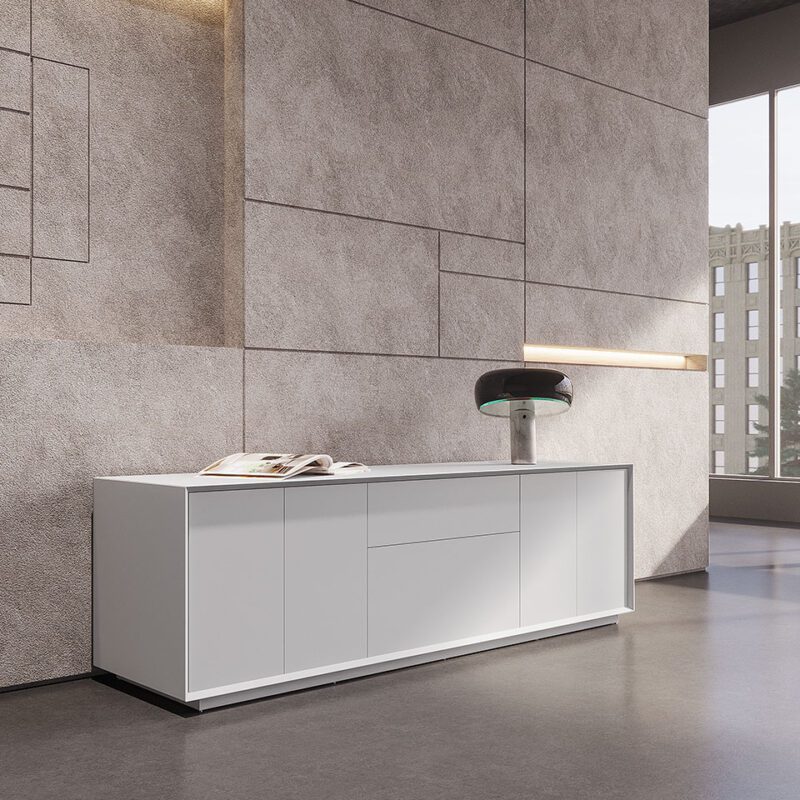
Vertical cabinets occupy less space and accommodate more goods. They do well in small places or rooms. Horizontal cabinets, on the other hand, have broad, convenient drawers and have more space on top to place printers, ornaments, or other office supplies. The two are suited to different requirements with regards to your layout.
Utility or Storage Cabinets
Storage cabinets are ideal when it comes to storing big objects, bulk goods, or shared goods. They’re commonly put in the printing, supply, or administration areas. They help in maintaining larger objects and ensure that you doesn’t have clutter scattered all around the office.
Drawer Cabinet Ideas for Better Access
Adding access doesn’t just depend on what cabinet you use but making the most of it.
- Use Labelling Systems: Clear labels enable anybody to find things within a short time. You can sort drawers by the type of project, department or item.
- Add Drawer Dividers: Dividers are used to keep items separate. They can be used in stationery, cables, technology accessories and smaller office supplies.
- Try Color Coding: It’s easier to sort documents on colored folders or tags. Such a minor action can accelerate retrieval.
- Arrange Cabinets strategically: Have the commonly used drawers reasonably close at hand.
The less-used items may be placed in low-height cabinets and the important files can be in the medium-height cabinets to make it easily visible. Full-height cabinets have the highest capacity in case of archives or long term documents.
Credenzas are good in some offices; they have drawers and cabinets in a single sleek unit. Some people might require hanging metal drawers to store paperwork that should always be in order and erect. Even a small-sized cabinet can facilitate the daily operations in a smoother way with the proper arrangement.
Choosing the Right Drawer Cabinet
In choosing a drawer cabinet, you shouldn’t just look at the looks. Think about how small or how big your office is, how many people work there, what kind of work you perform.
- The first thing is to measure your space in order to determine whether a vertical or horizontal design is more appropriate.
- Check drawer depth when you are dealing with large documents or folders.
- Find easy-slide tracks so that you will not have drawers that are stuck.
- Use locked drawers to store classified files or personal things.
- Consider mobility when your team changes space.
Various finishes also suit different offices. For example; a slick laminate finish is simple to clean, whereas steel shelves have a longer lifespan of usage.
Make the Most of Your Drawer Cabinet
A drawer cabinet may not appear a significant addition but it may make a huge difference. It keeps your workspace clean, is time saving, and it helps to focus.
At Urban 411, we understand that the selection of a correct drawer cabinet is really about making your daily tasks easier and more convenient. When you’re not quite sure what would fit your space or your workflow, we’re here to guide you with a design-first approach which prioritizes your needs first. Simply tell us what is challenging in your office, and we’ll help you build a smarter, efficient workspace
FAQs
1. What is the best type of drawer cabinet for office use?
It depends on your space. Mobile units suit flexible desks, while vertical cabinets save floor space and hold more files.
2. How do I keep my drawer cabinet organized?
Use labels, dividers, and color-coded folders to keep items separated and easy to find.
3. Where should I place a drawer cabinet in the office?
Keep daily-use drawers near your desk. Store long-term documents in higher-capacity cabinets away from busy areas.
4. What materials are best for office drawer cabinets?
Metal is durable for heavy use, wood offers a premium look, and plastic works well for light, affordable storage.