

Blog
Office Chairs and Seating Strategy for Modern Workspaces
In modern office design, seating is no longer a simple furniture decision. Businesses now approach office chairs as part of a broader workplace strategy that supports productivity, organization, and employee experience. Instead of choosing chairs based only on comfort or appearance, companies are focusing on how seating fits into the overall workspace plan.
A well-defined seating strategy ensures that each area of the office is equipped with the right type of chair for its purpose. Whether it is office workstations, meeting areas, or executive spaces, the correct seating arrangement improves workflow and enhances how employees interact with their environment.
Understanding how to plan seating strategically helps businesses create offices that are structured, efficient, and aligned with modern work practices.
Defining Seating Zones in the Office
An effective seating strategy begins with dividing the office into functional zones. Each zone serves a different purpose, and seating should reflect these requirements.
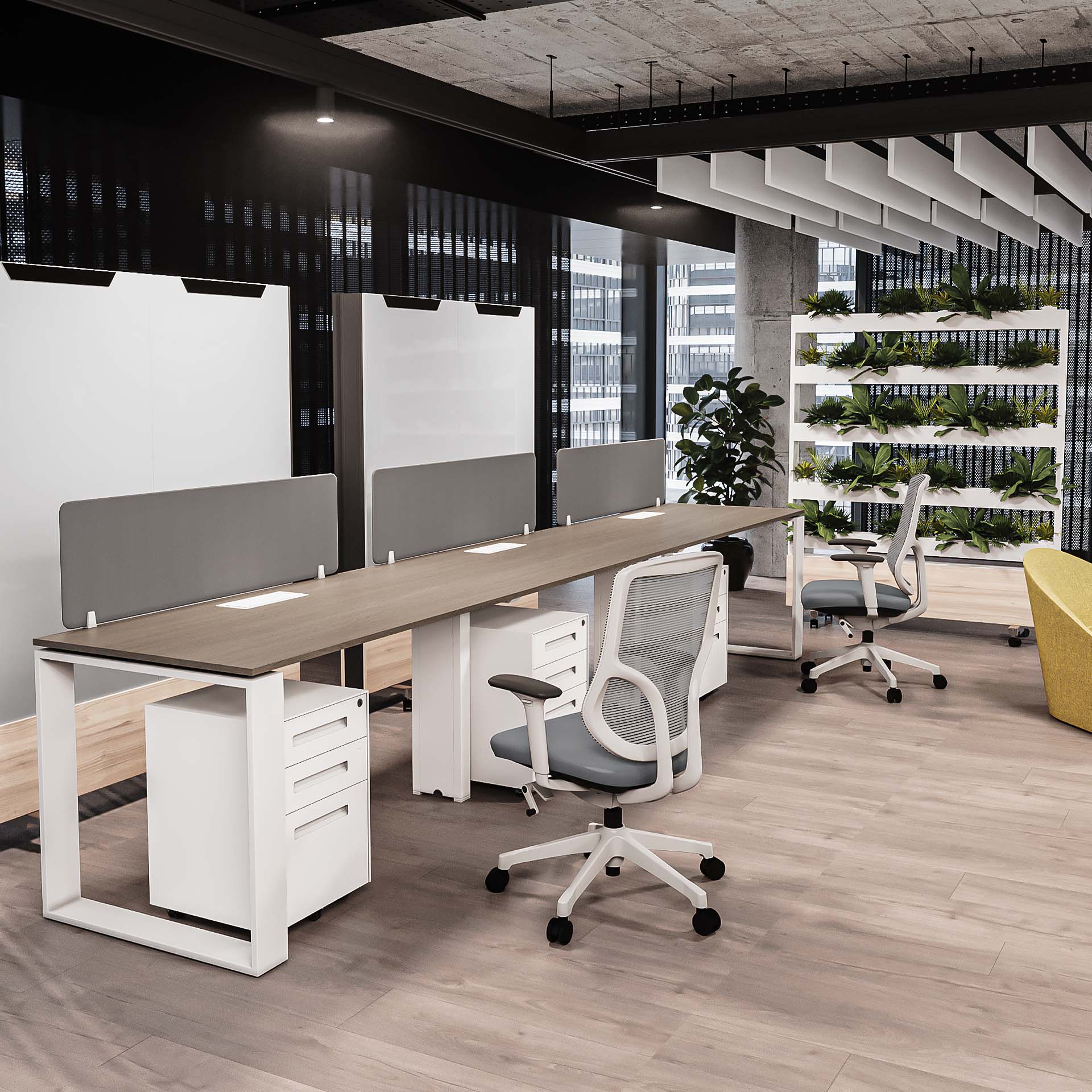
In workstation areas, employees require chairs that support daily tasks and allow movement within office workstations. In collaborative spaces, seating must be arranged to encourage interaction while maintaining comfort. Meeting rooms require structured setups with meeting chairs that support discussions without distractions.
By clearly defining these zones, businesses can ensure that seating aligns with how each space is used, improving both organization and usability.
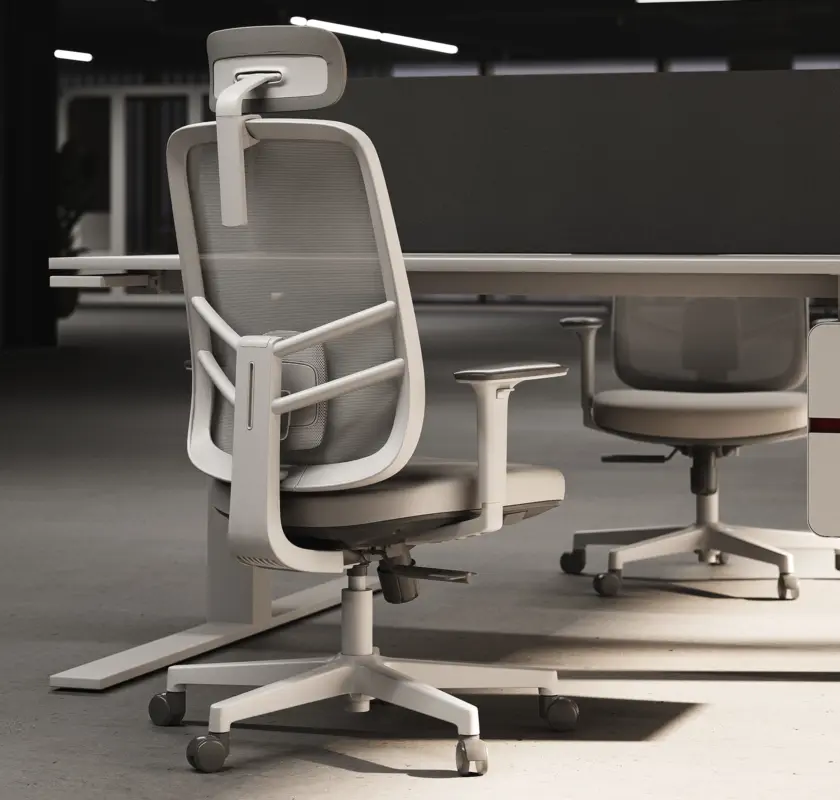
Aligning Office Chairs with Work Functions
Different roles within an organization require different seating solutions. A strategic approach to office chairs considers how employees use their workspace throughout the day.
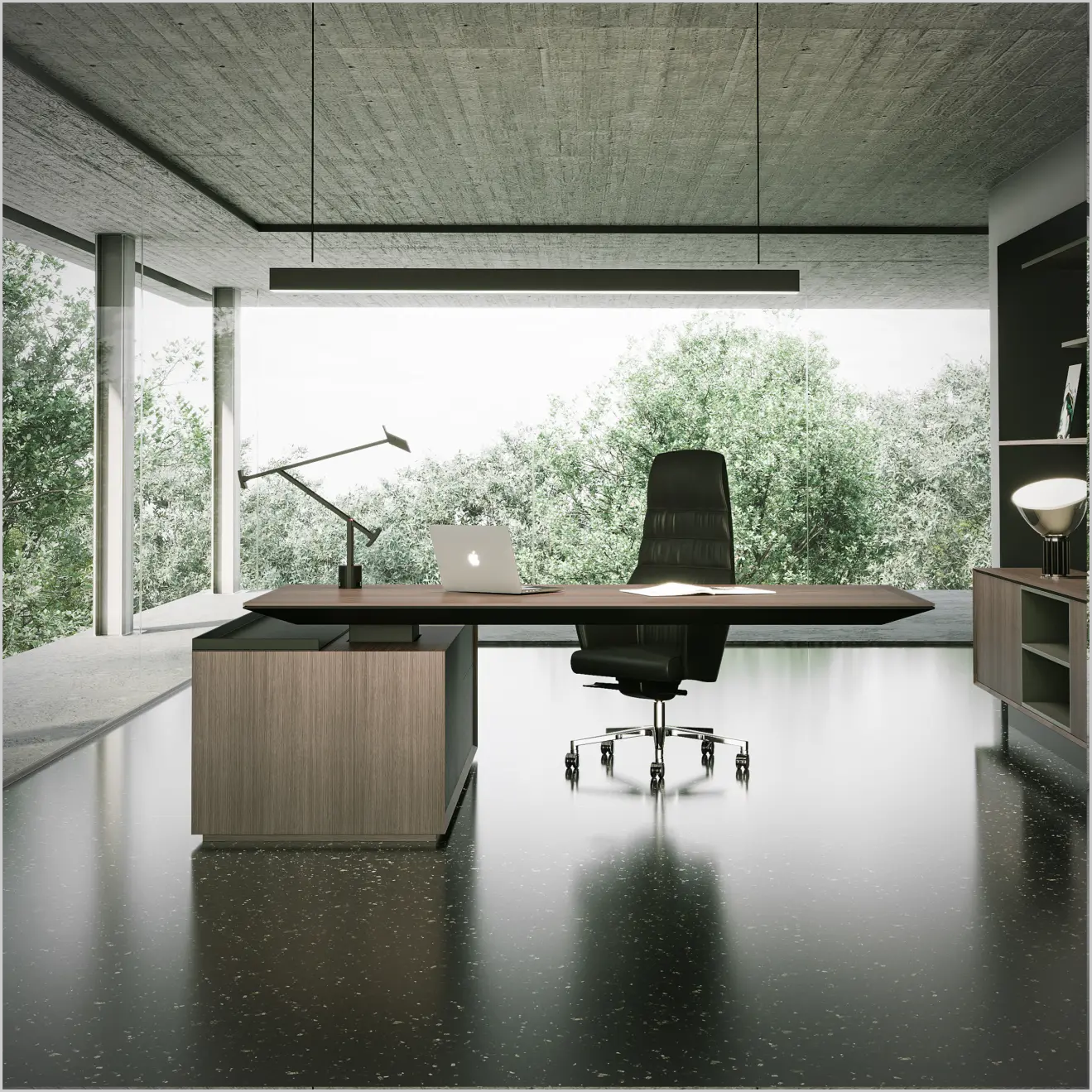
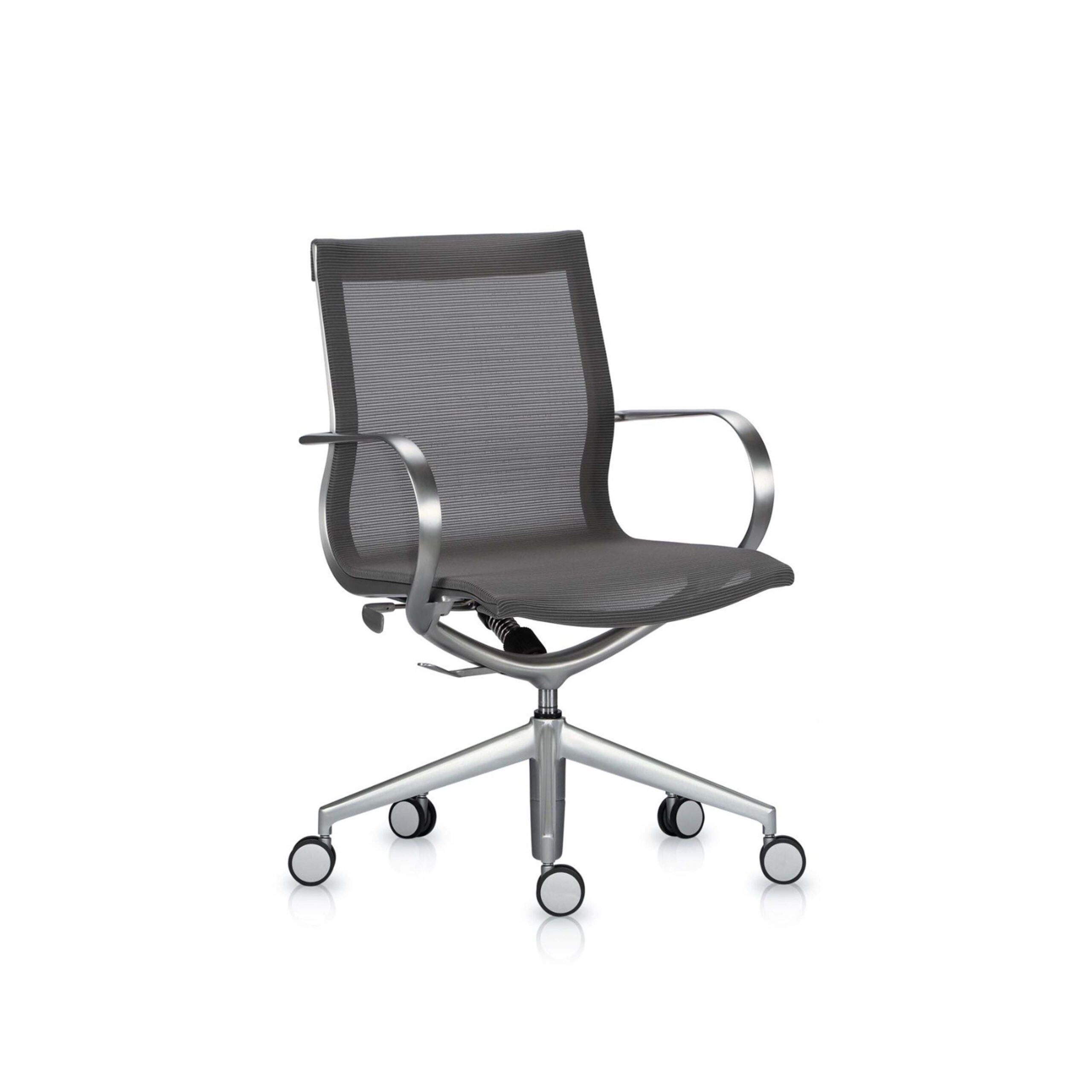
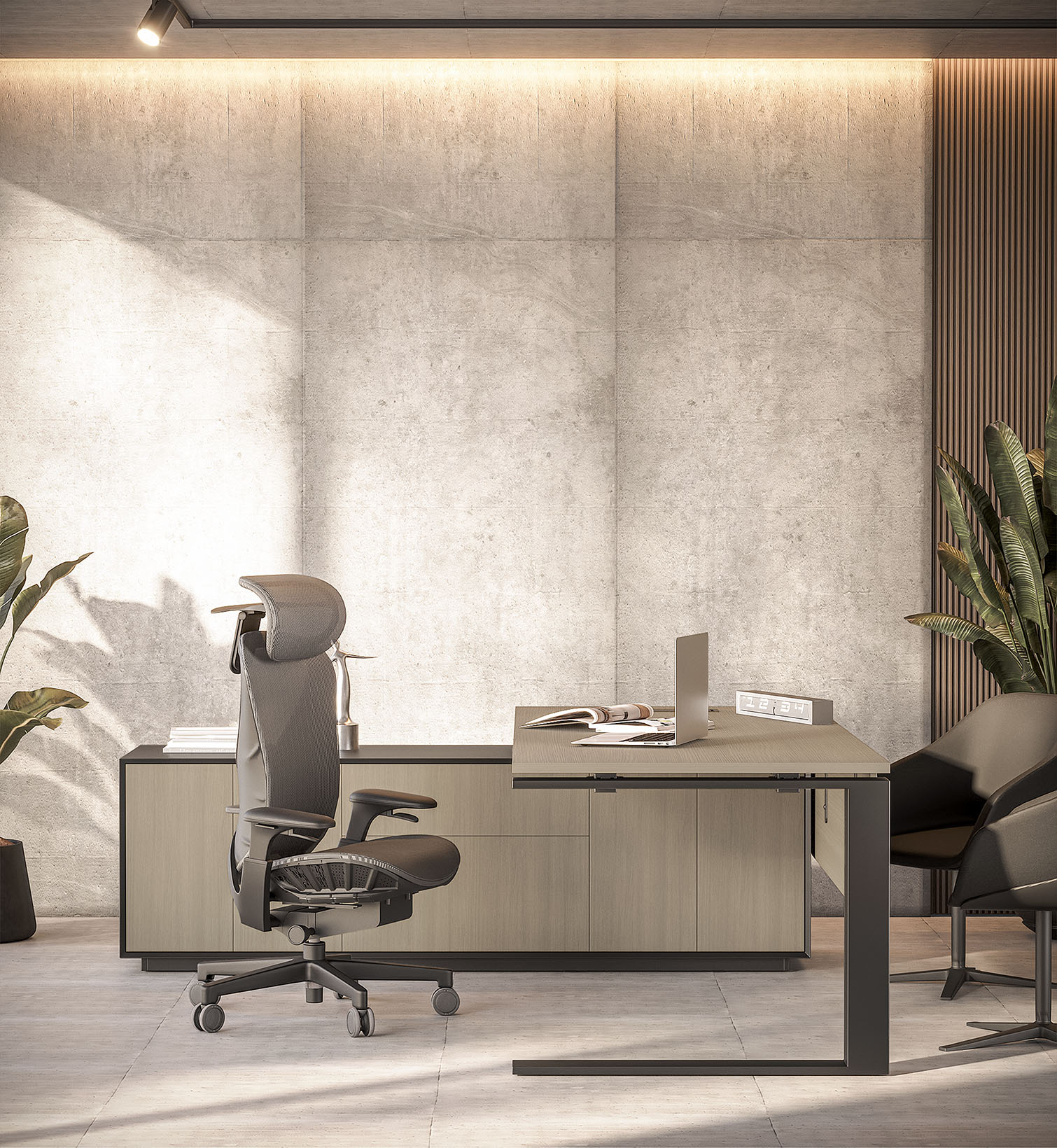
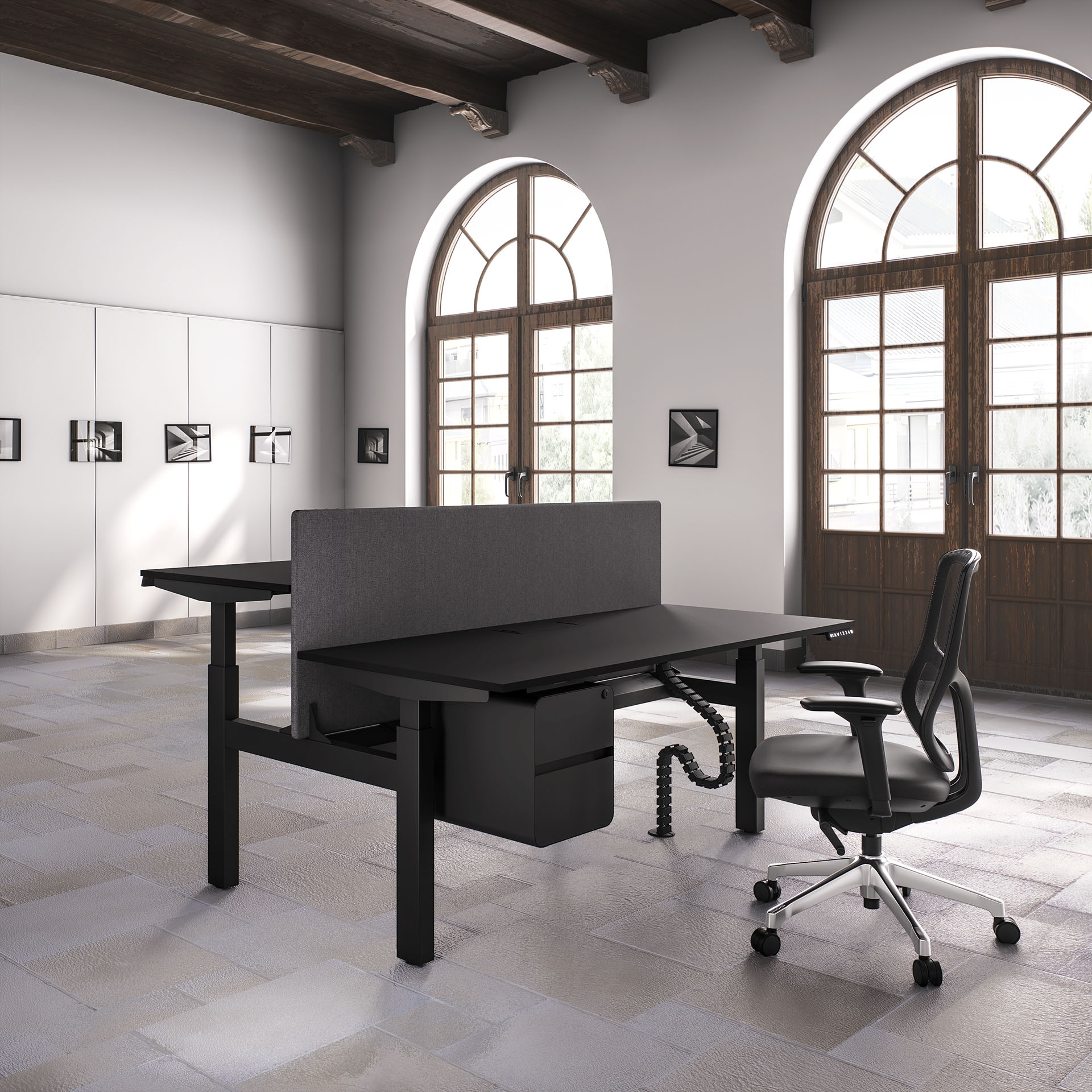
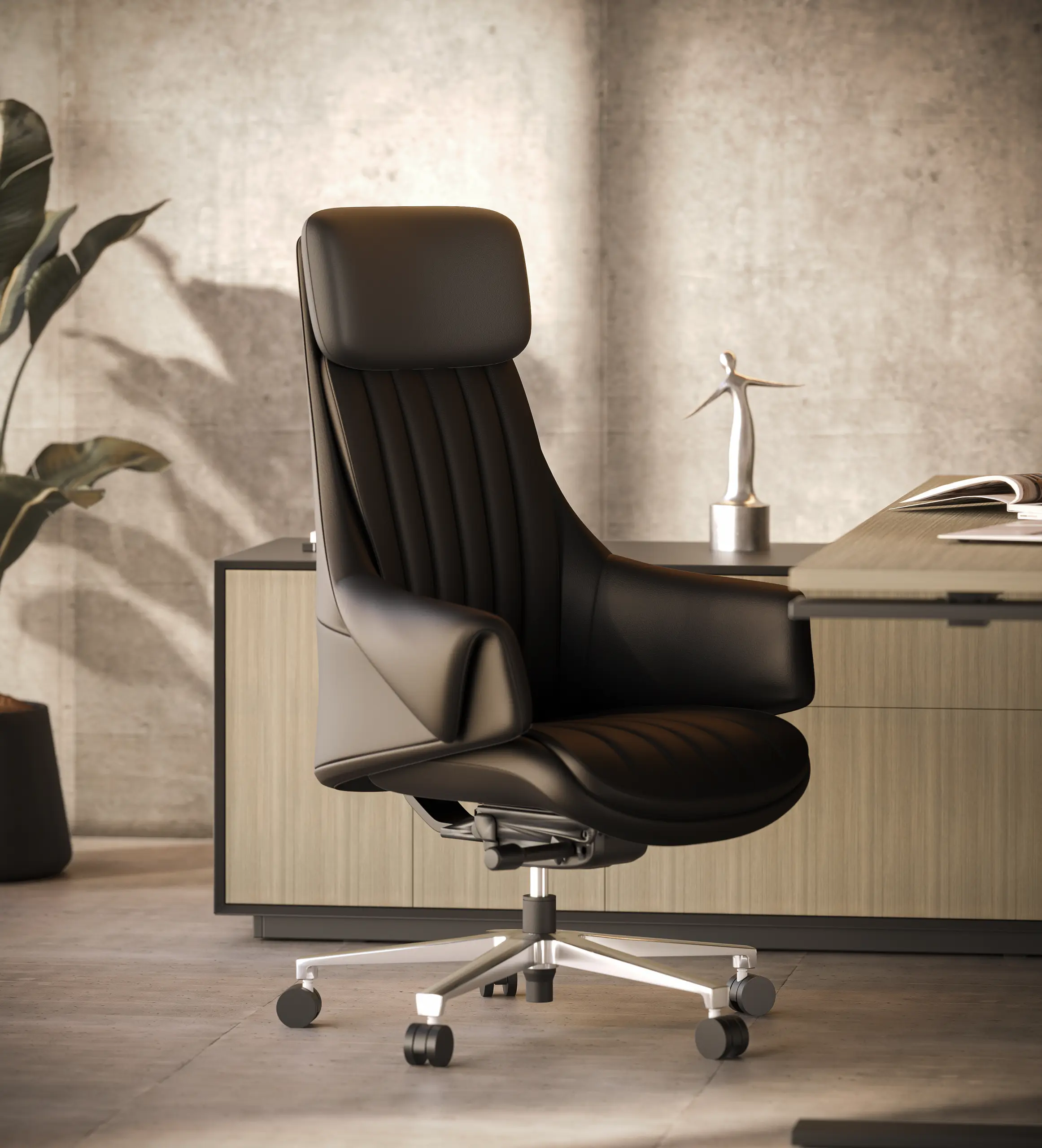
For example, employees working at desks benefit from seating that supports continuous use alongside height adjustable desks. Leadership spaces often require more refined seating, such as executive chairs, which provide extended comfort and a professional appearance.
This alignment between seating and work function ensures that employees have the right support for their tasks, reducing inefficiencies caused by unsuitable furniture choices.
Integrating Seating with Workstation Systems
Office chairs should not be selected in isolation. They must integrate seamlessly with the overall workstation setup to create a complete and functional workspace.
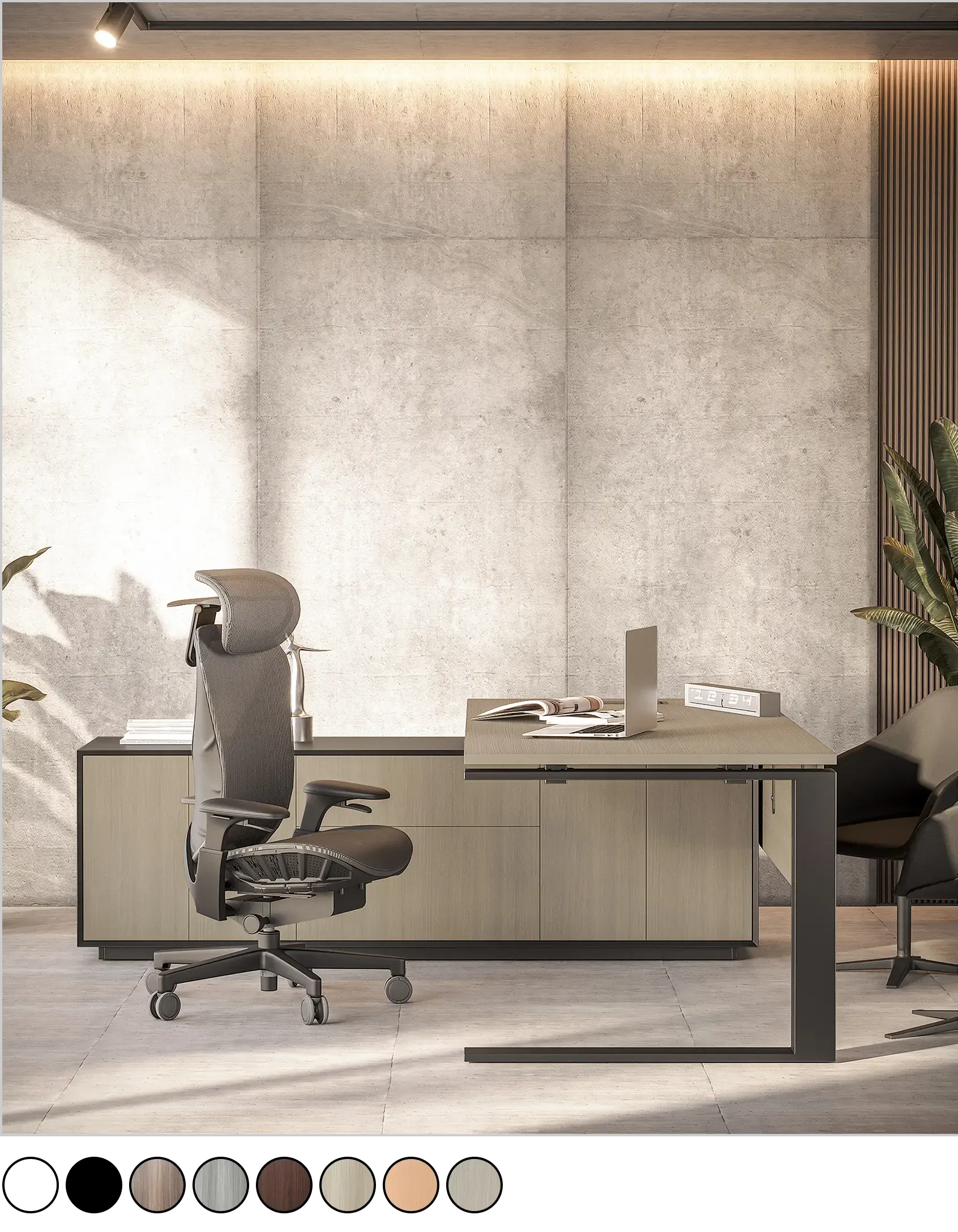
When paired with office workstations, chairs become part of a unified system that supports organization and workflow. Proper alignment between desks and seating ensures that employees can maintain a consistent working posture and access their tools easily.
Additionally, integrating chairs with office pods or meeting pods allows employees to move between focused work and collaboration without disruption. This creates a more connected and efficient office environment.
Supporting Movement Within the Workspace
A strategic seating plan also considers how employees move within the office. Chairs should support easy transitions between tasks and spaces without creating obstacles.
In dynamic work environments, employees often shift between their desks, meeting rooms, and collaborative areas. Lightweight and adaptable seating in these spaces allows for quick reconfiguration, supporting changing team needs.
This approach ensures that seating contributes to workflow rather than limiting it, helping employees remain productive throughout the day.
Balancing Comfort and Space Efficiency
While comfort is important, seating strategy must also consider space efficiency. Offices need to accommodate teams without creating overcrowded environments.
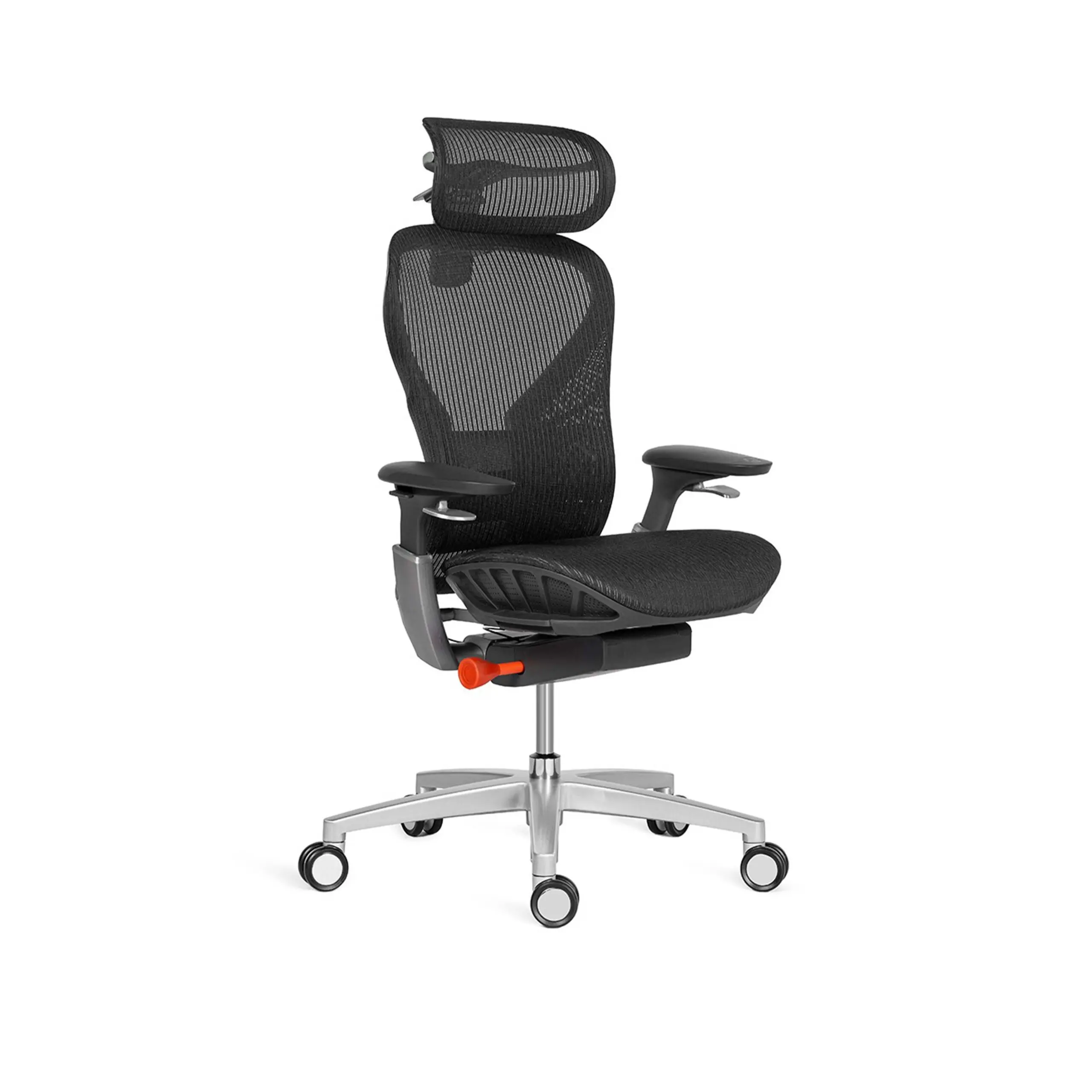
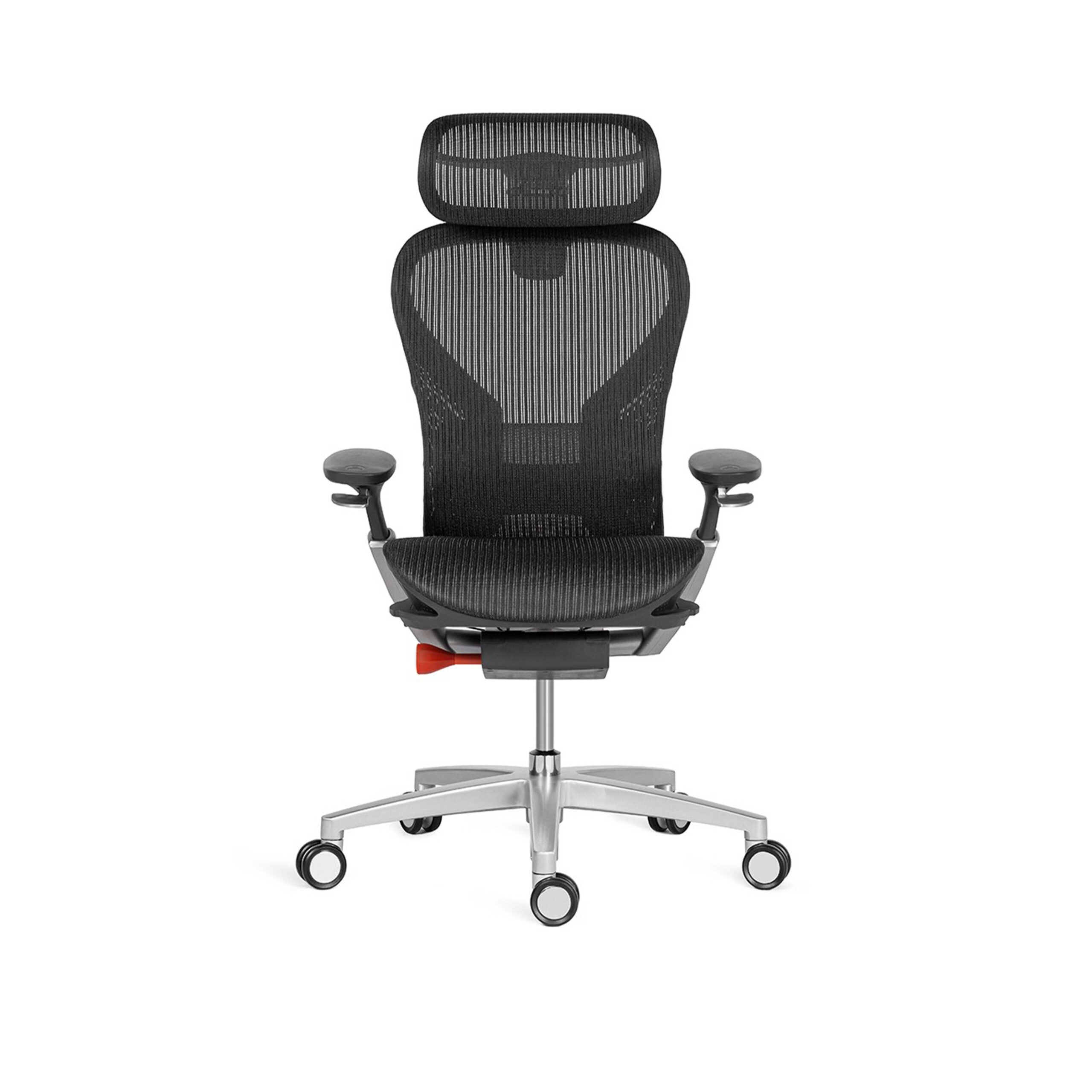
Selecting the right office chairs helps maintain this balance. Compact seating solutions work well in workstation areas, while structured seating arrangements improve organization in meeting rooms.
Insights from the Chartered Institute of Personnel and Development highlight that well-designed work environments contribute to improved employee performance and overall workplace effectiveness.
Selecting the right office chairs helps maintain this balance. Compact seating solutions work well in workstation areas, while structured seating arrangements improve organization in meeting rooms.
Planning for Consistency Across Workspaces
Consistency is a key element of effective seating strategy. When all work areas follow a structured approach to seating, employees experience a more organized and predictable environment.
Using standardized office chairs across office workstations ensures uniformity while still allowing flexibility where needed. This consistency simplifies workspace planning and helps maintain a professional office appearance.
It also supports flexible seating arrangements, where employees can move between different work areas without adjusting to completely new setups.
Similarly, research from the Harvard T.H. Chan School of Public Health emphasizes that workplace design, including seating, plays a role in supporting employee well-being and productivity.
FAQs About Office Chairs
A seating strategy is a plan for where and how office chairs will be used to help with diverse jobs, work areas, and employee demands.
Office chairs are important for organizing the whole workspace since they shape how spaces are used and how workers interact with their surroundings.
Yes. Chairs should match workstation systems to make sure they are comfortable, easy to use, and help the workflow go well.
Yes. A well-thought-out seating layout cuts down on interruptions, makes it easier for people to move around, and helps them get more done.
Office Chairs by Urban 411
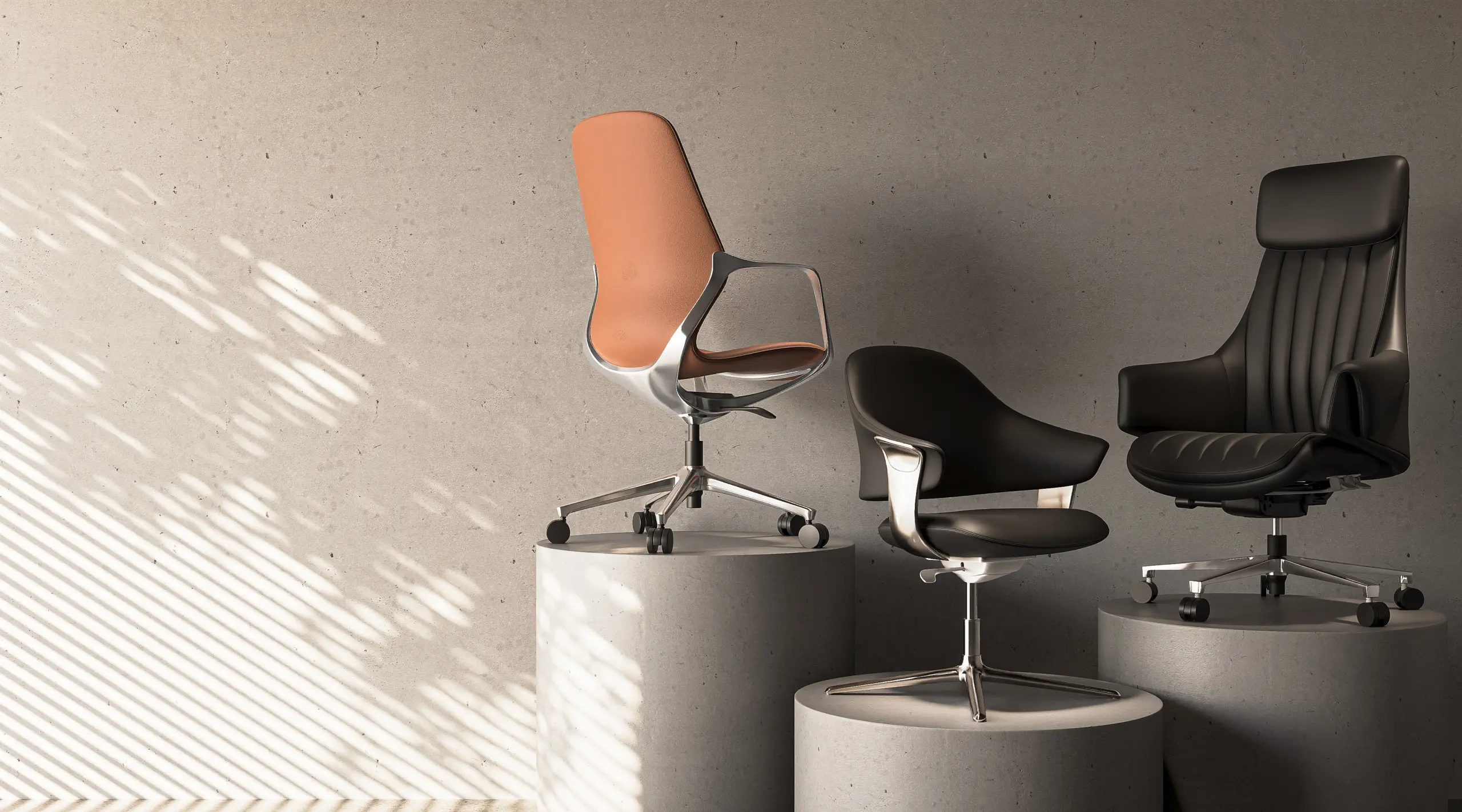
Urban 411 approaches office chairs as part of a complete workspace system rather than standalone products. Each seating solution is selected to align with how different areas of an office function—from focused desk work within office workstations to collaborative discussions supported by meeting chairs.
Our range also complements evolving setups that include height adjustable desks and flexible environments supported by office pods, ensuring that seating fits naturally into modern office layouts. This integrated approach helps businesses maintain consistency, usability, and long-term workspace efficiency.