

Blog
Office Table Designs That Encourage Collaboration and Comfort
Office Table Designs That Encourage Collaboration and Comfort
The right office table can do more than just hold a pile of papers, laptop or coffee cup; it can shape how your team collaborate, connect and feel comfortable at work. In the contemporary workplaces, where comfort and flexibility are of equal importance as productivity, selecting an appropriate office table design has become a necessity. Companies now start to understand that the appropriate arrangement of furniture directly influences creativity, concentration and the welfare of employees. Whatever type of business you run, it’s important to choose a table that helps you to create a positive and effective work environment.
Government workplace design guidance highlights that furniture and furnishings, including collaborative tables and adjustable surfaces, should be arranged to accommodate user preferences and maximize comfort, which supports varied work modes and encourages team interaction without physical strain.
Why Office Table Design Matters
An effective working environment helps an individual to collaborate. In fact, research indicates that approximately 70% of workers feel that working in a collaborative setting increase their productivity. If a table doesn’t suit the office layout or uncomfortable, you might feel tired or unable to focus on your work. Communication flows naturally when individuals can easily see and communicate with each other.
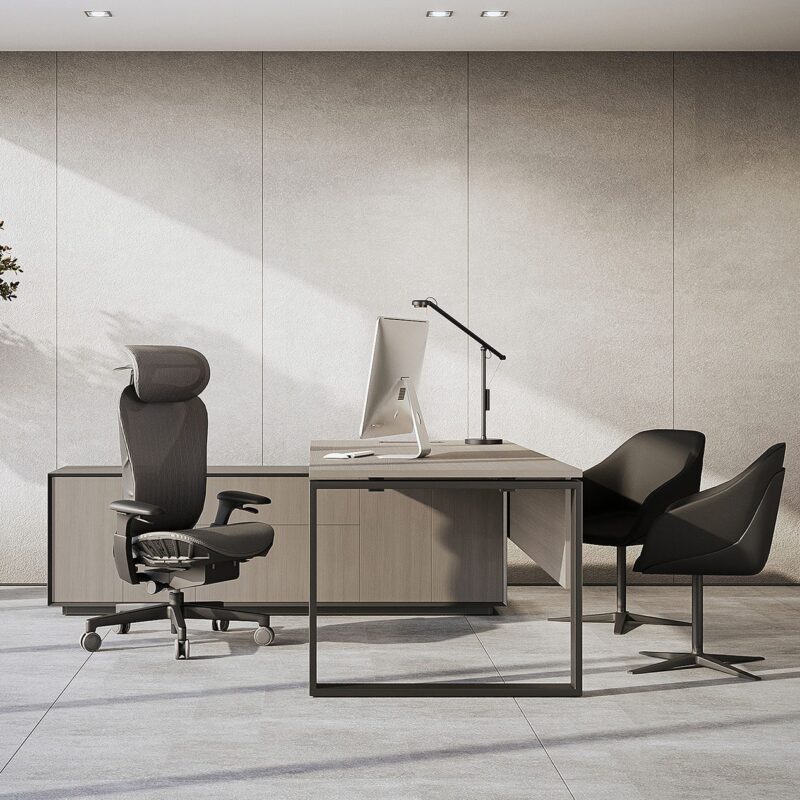
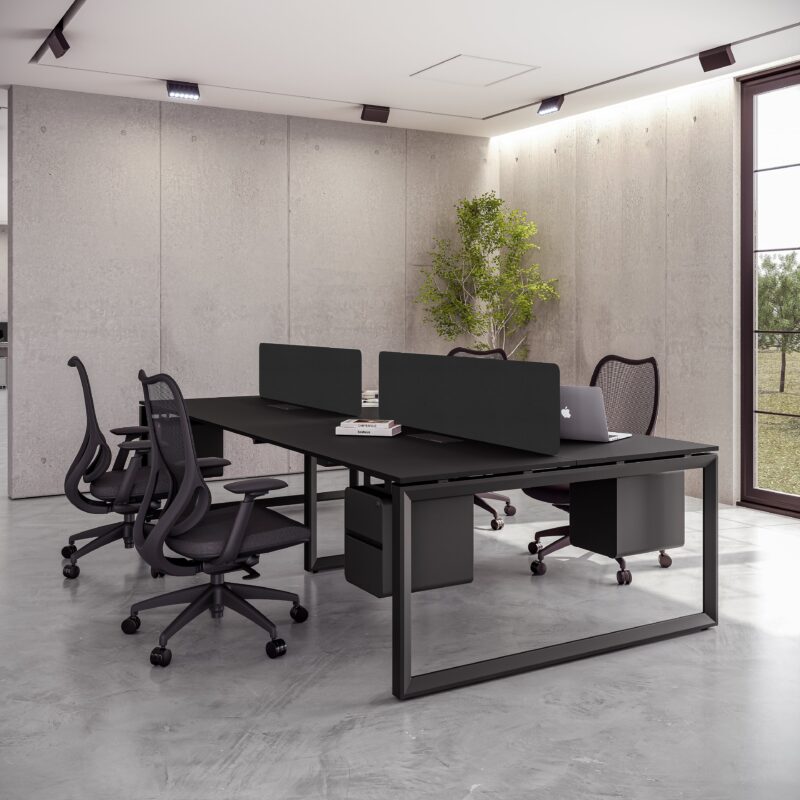
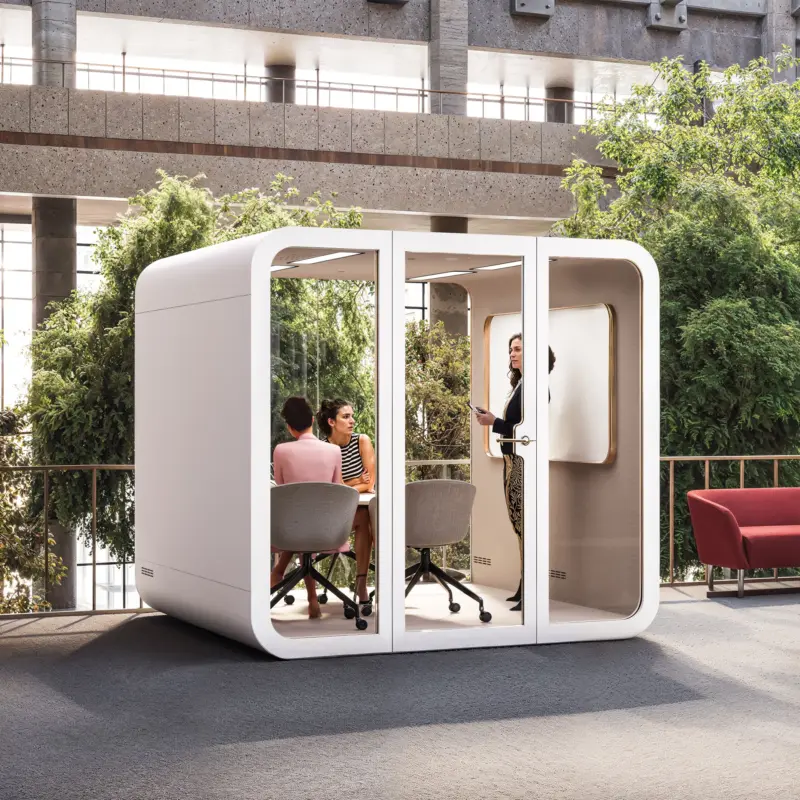
For example, a modern rectangular desk is ideal in terms of individual concentration as well as small group work. It gives the space a structure and leave it open and adaptable. Meanwhile, the addition of a meeting table would promote team discussions without the necessity to change the rooms.
Key Elements of a Collaborative Office Table
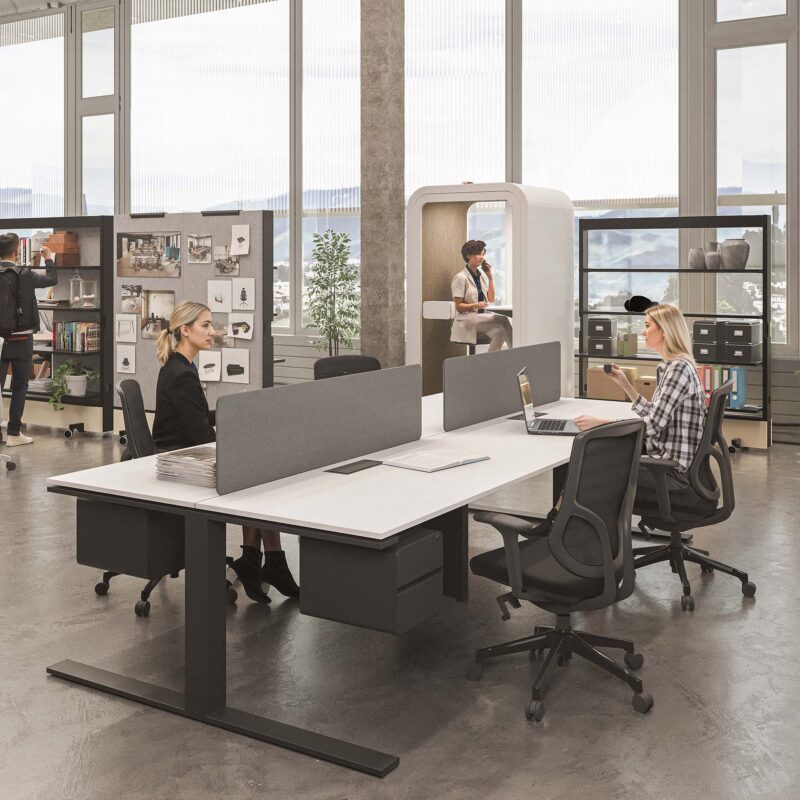
Planning of a workspace that promotes collaboration starts with flexiblity. The use of modular and movable office tables allows teams to set up differently depending on the different activities. There are few important elements to look for, when you choose a table for collaboration.
1. Shape and Layout
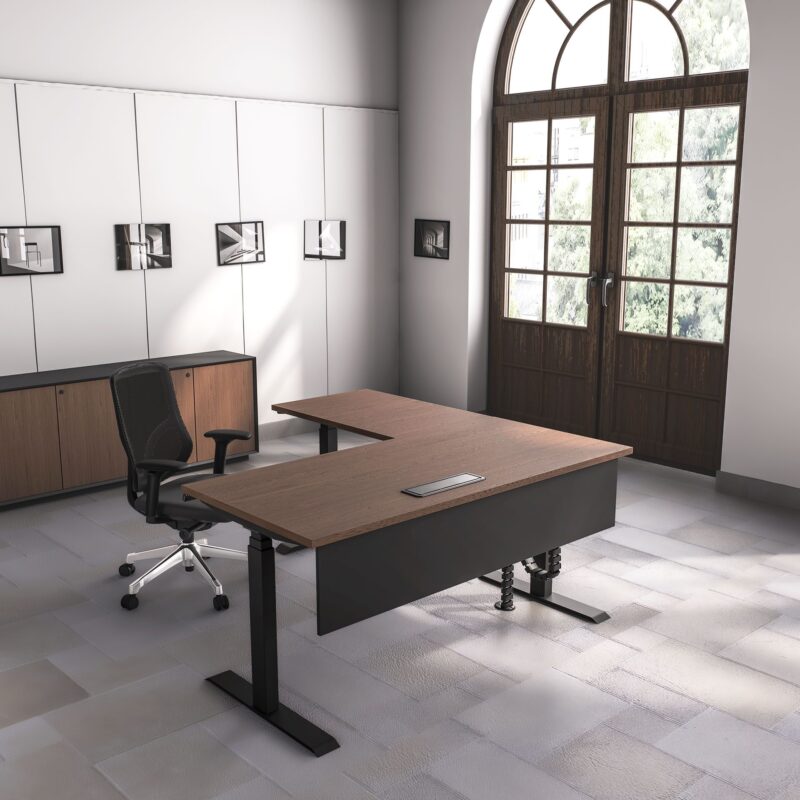
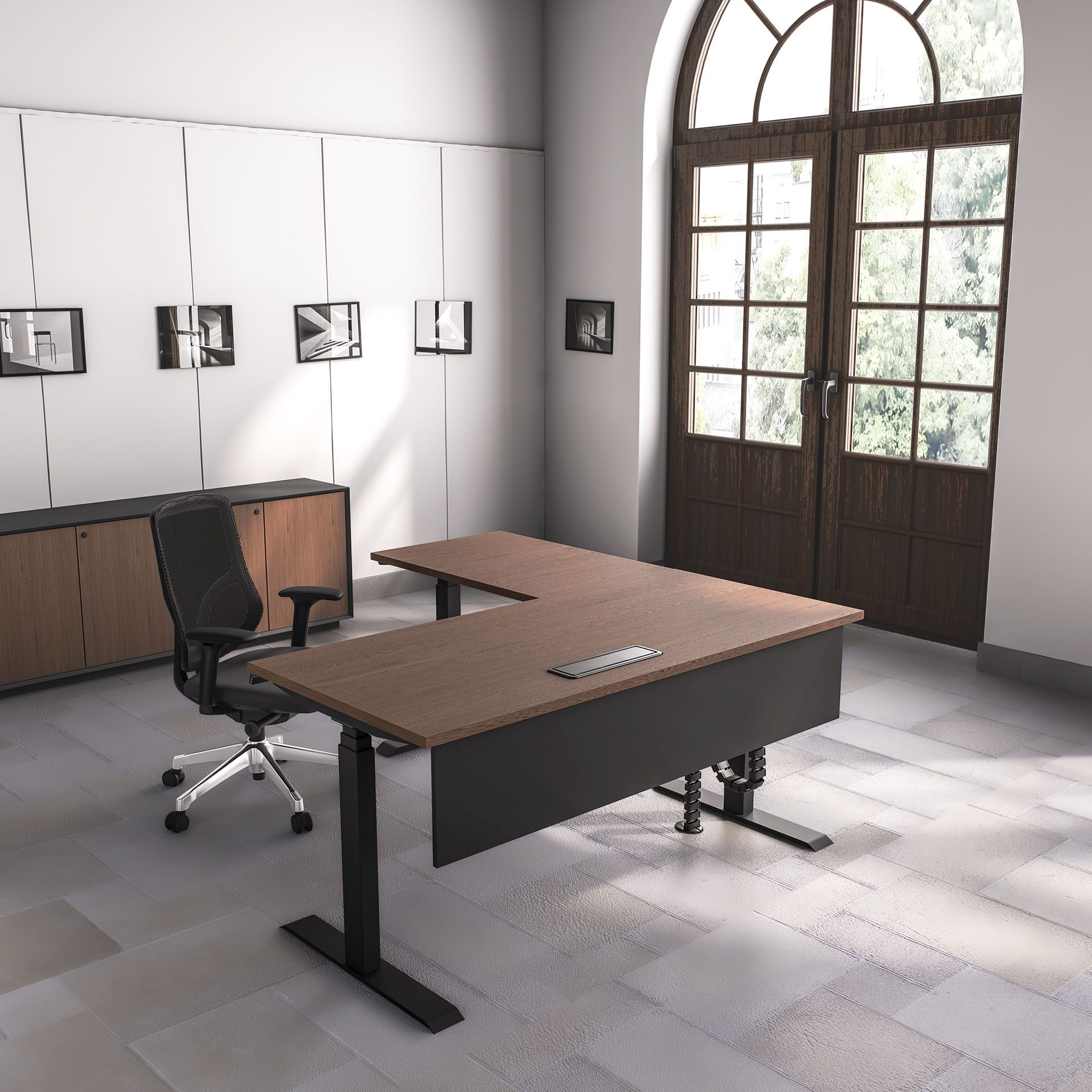
Your office table shape also affects the way people interact. Oval or round tables help to get all the people facing each other which promotes eye contact and open communication. This will also provide an equal and open space. In contrast, an L-shaped desk utilizes the corner space and provides additional space to multitask or to have two monitors.
2. Technology Integration
Cable management, charging ports, and power modules are built-in in modern offices. They minimize the amount of clutter and maintain the space. A table that is tech-integrated enables focus as it eliminates distractions such as lost adapters and tangled wires.
3. Comfort and Ergonomics
Comfort enhances cooperation. Workers cannot perform best when they feel uncomfortable. Such ergonomic characteristics as the adjustable height, rounded edges, and adequate legroom are significant. Using a sit-stand desk will allow movement throughout the day, which will decrease fatigue and improve posture.
Designs That Balance Comfort and Productivity
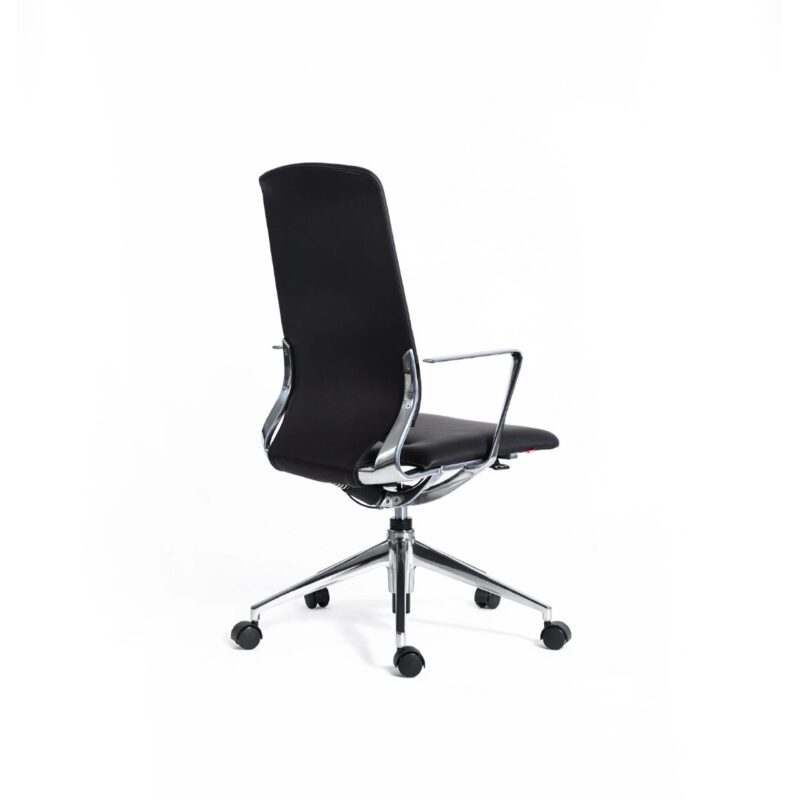
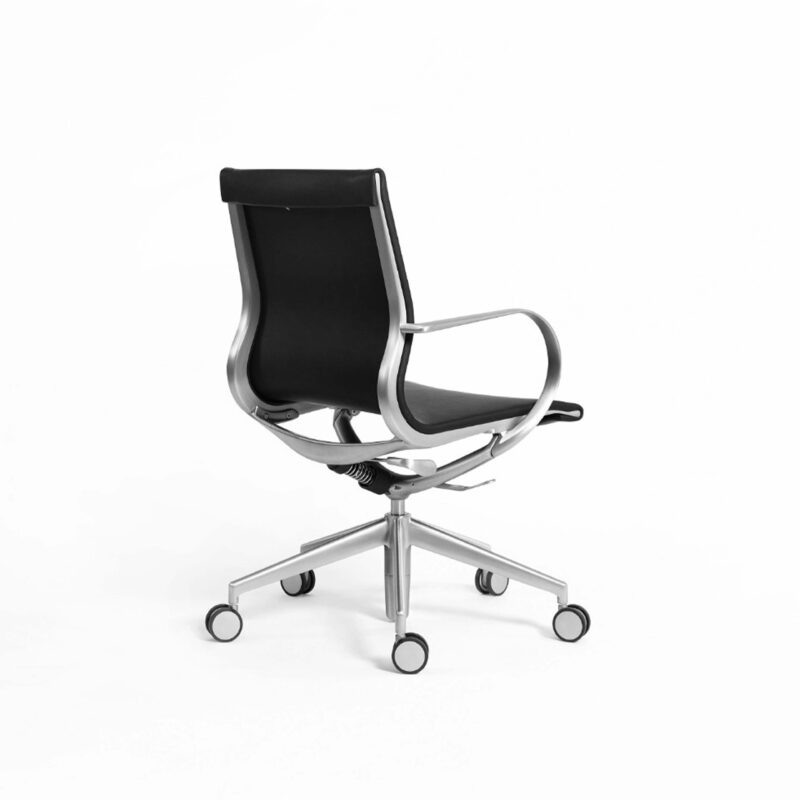
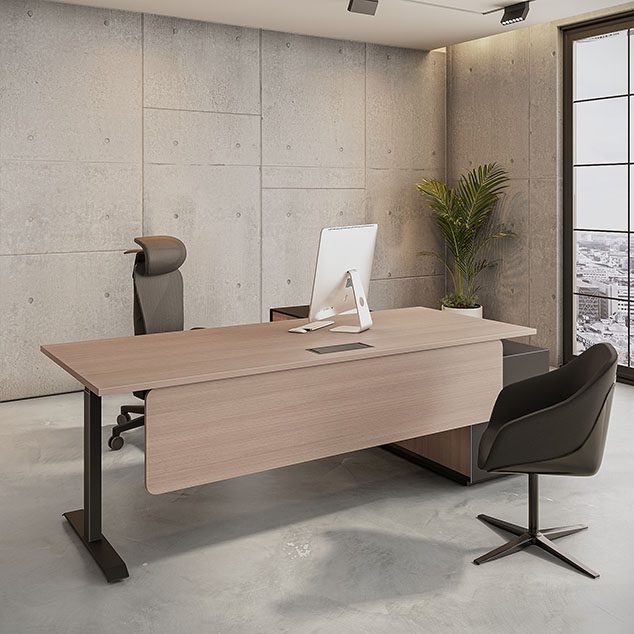
Style and ergonomics must go together. The appearance of a table and the overall feel of comfort create a welcoming professional environment. Adjustable height office chairs are becoming more popular due to the fact that they support both seated and standing position. Changing positions throughout the day will decrease stiffness and enhance concentration. To the senior executives, an ergo executive desk provides the sophistication of appearance, but at the same time maintains a healthy posture and comfort.
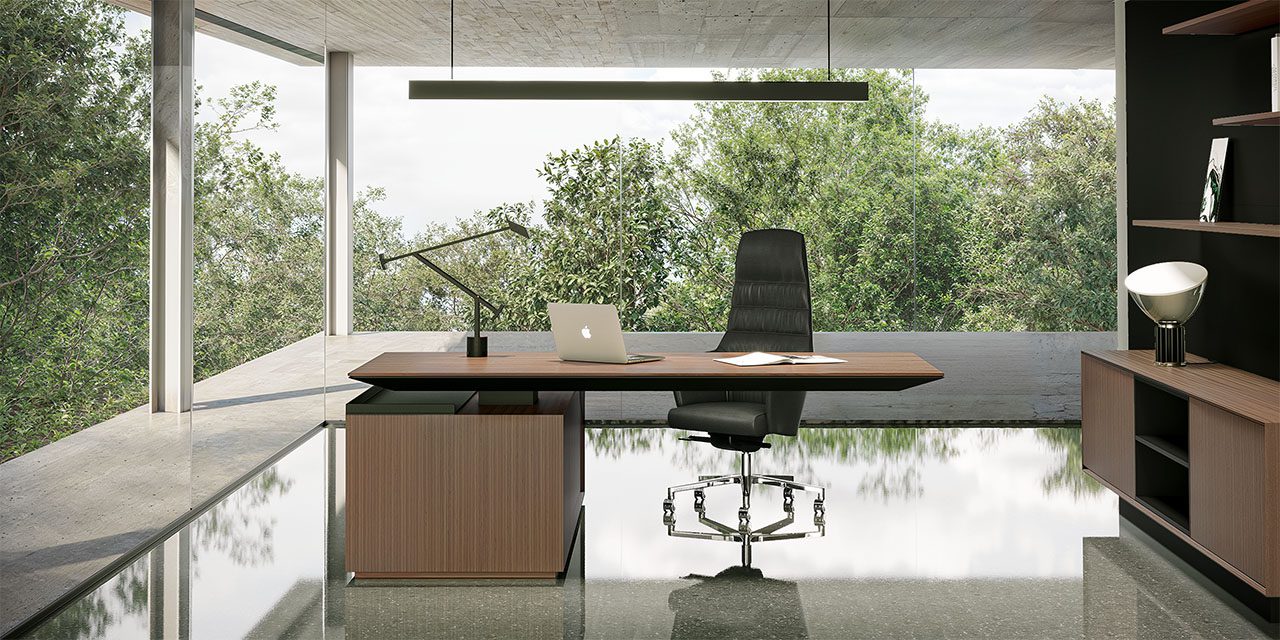
In the meantime, minimalist designs in neutral coloring such as oak, white, or black are a great fit with a modern interior design. For example, a Gravita executive desk that integrates both style and storage. Thus, they are ideal in offices with both practical and aesthetic needs.
Another important aspect is lighting. Tables that are located close to natural sources of light are more effective in enhancing mood and cut strain on the eyes. This can be combined with anti-glare finishes and clean surfaces to get more comfort and focus during prolonged working hours.
Read Also: Your Office Desk Workflow: Organizing for Peak Performance in a Minimalist Space
Choosing the Right Office Table
Each office is unique, and this is why the appropriate table varies depending on the way your team operates. There are three primary factors that you should consider before choosing an office table, which are: the purpose, flexibility, and space.
- Purpose: Is it daily work, meeting or client presentation? Larger meeting tables can be used for departments that need teamwork, whereas single desks can work with less noisy teams.
- Flexibility: Does the table have a lot of mobility or can they be rearranged? The modular options allow quick changes to new team setups or events.
- Space: The table must be comfortable and easily moveable. An untidy working environment can reduce energy and efficiency.
Investment in quality furniture also gives a long-term payoff. Solid and durable materials do not require a lot of replacements. Modern offices combined both aesthetics and functionality. Flexible and ergonomic office furniture solutions have become quite a popular choice by many businesses nowadays. It is no longer about the looks, but how the design helps the people and productivity on a daily basis.
An Investment in Your Team
At Urban 411, we understand that your office requires something more than standard furniture, it requires a system which supports how your team works. That’s why we do each project with a first design approach, and build office tables using high-quality materials that appear sophisticated and durable. Our quiet dual-motor system makes your workspace comfortable and concentrated. We’ll help you in creating a workspace that feels, performs and inspires better on a daily basis. Because when your team feels good, your business grows stronger too.
FAQs
1. What makes an office table design collaborative?
A collaborative office table encourages open communication with spacious layouts, modular designs, and easy access for group discussions.
2. How does an ergonomic office table improve productivity?
An ergonomic office table supports proper posture, reduces fatigue, and helps employees stay comfortable and focused throughout the day.
3. Which office table shape is best for teamwork?
Rectangular and round tables work best, as they offer enough space for multiple users and promote eye contact and easy interaction.
4. What should I consider before buying an office table for my team?
Think about space, team size, work style, and comfort features like adjustable height, cable management, and durable materials.