

Blog
Standing Desk Options That Improve Comfort and Productivity
Standing Desk Options That Improve Comfort and Productivity
One of the most basic methods that companies can use in order to make their work environment healthier and more productive is a standing desk. Most work teams are currently spending numerous hours at their workstations and even minor ergonomics can go a long way. In this article, we’ll look at the best standing desk options, what features matter, and how the appropriate standing desk can enhance the comfort, concentration, and performance at work.
Why Standing Desks Matter for Modern Workspaces
Most of the studies indicate that excessive sitting may cause backache, body fatigability, and low productivity. Research supported by the CDC and other published studies has found that interrupting prolonged sitting, for example with sit-stand workstations or periodic standing can reduce total sitting time, decrease reports of upper back/neck pain, and improve self-reported comfort and mood among desk workers compared with uninterrupted sitting.
A sit-stand desk also helps to be more mentally focused, not only physically well. Employees are more alert when they’re standing. Such minor changes may result in a positive collaboration, decision-making process, and working environment.
Types of Standing Desks
Fixed-Height Standing Desks
A fixed-height standing desk remains at a single height. It’s easy, durable and good enough to be used by employees who like standing the greater part of the day as well. Firms frequently select them to be used in dedicated workstations that don’t involve a change in the user. They’re most effective when combined with an appropriately adjusted ergonomic chair or stool to sit every now and then.
Height-Adjustable Standing Desks
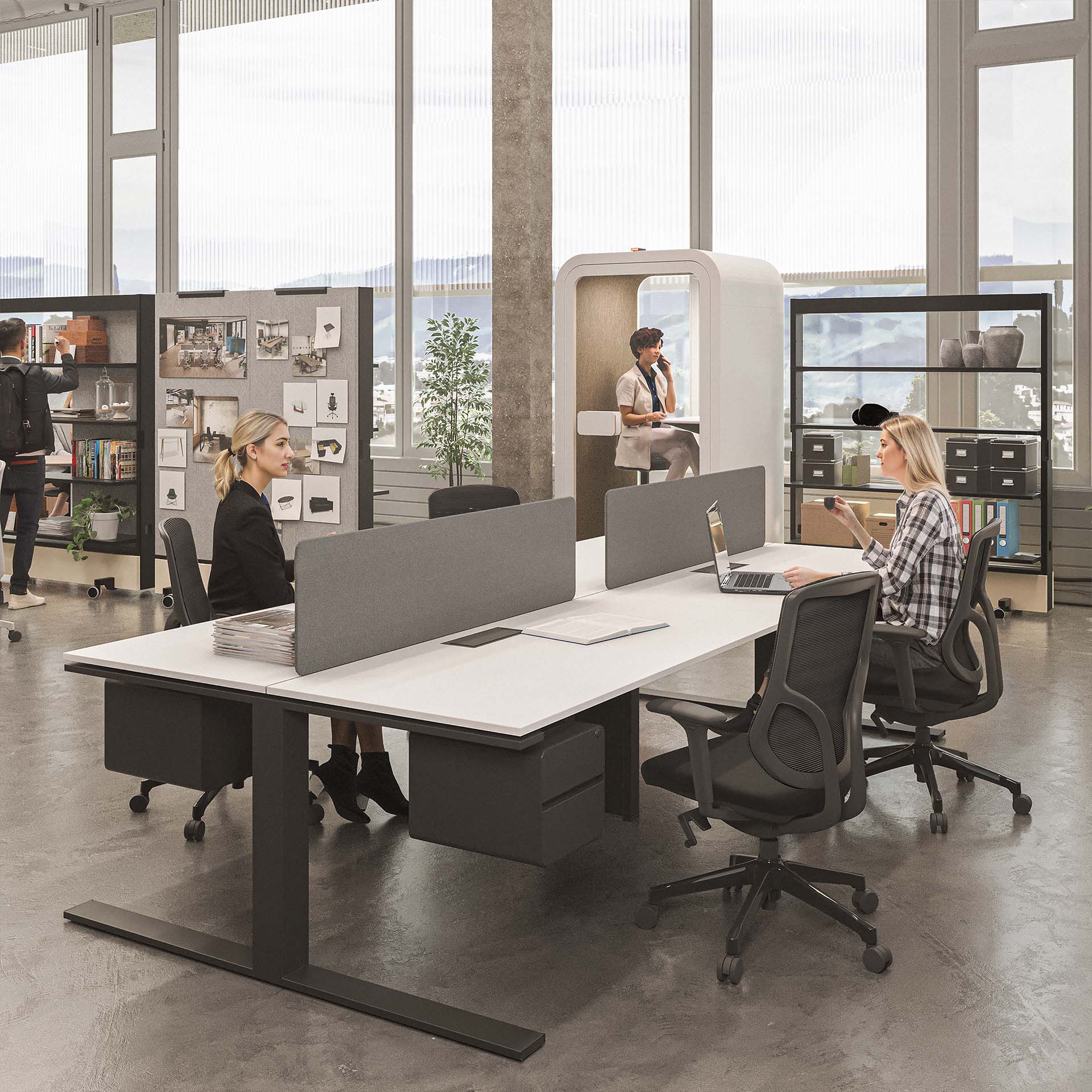
The most common ones are the height-adjustable desks. The employees have the option of sitting and standing easily. They’re available in the manual and electric version, and the electric is smoother and gives a quieter experience.
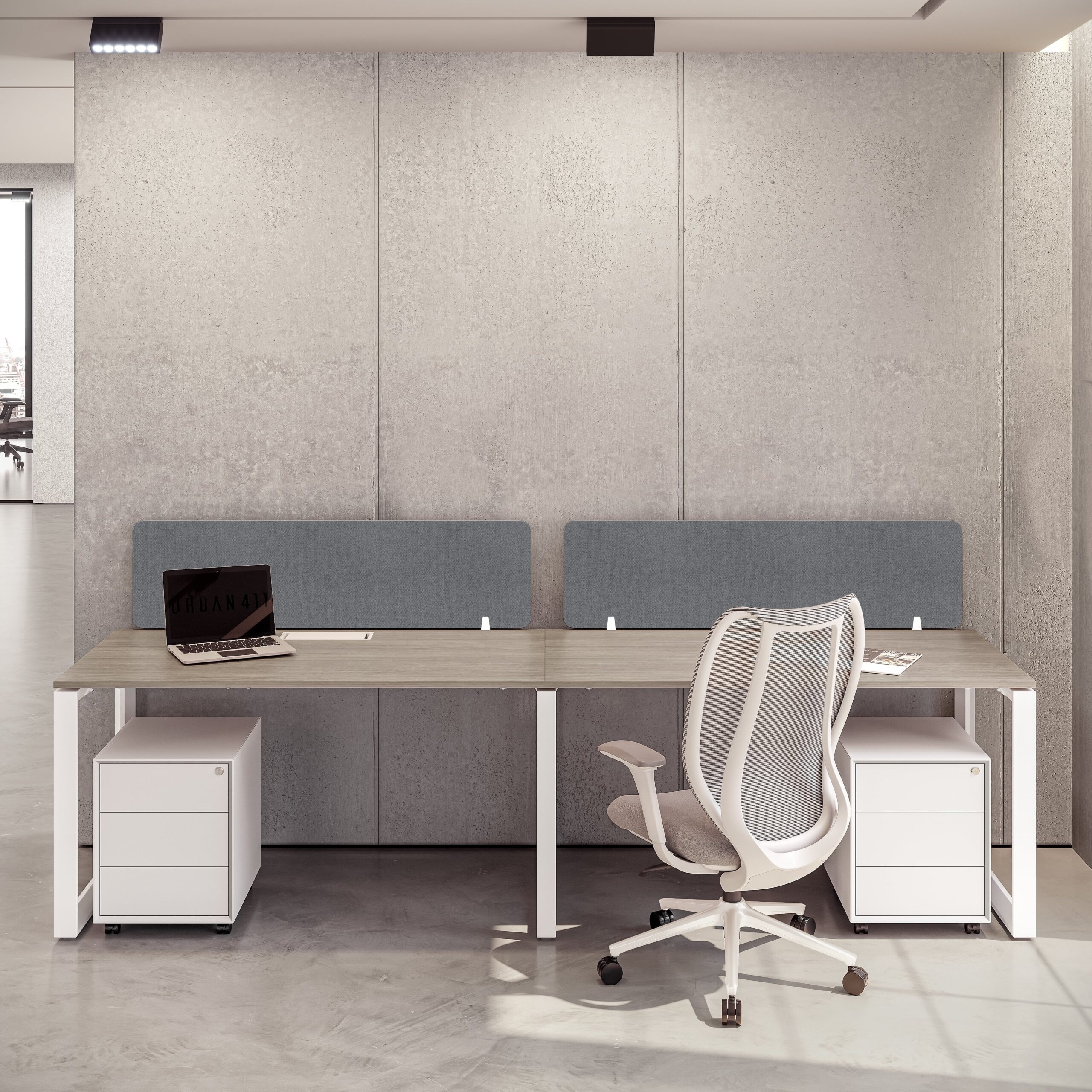
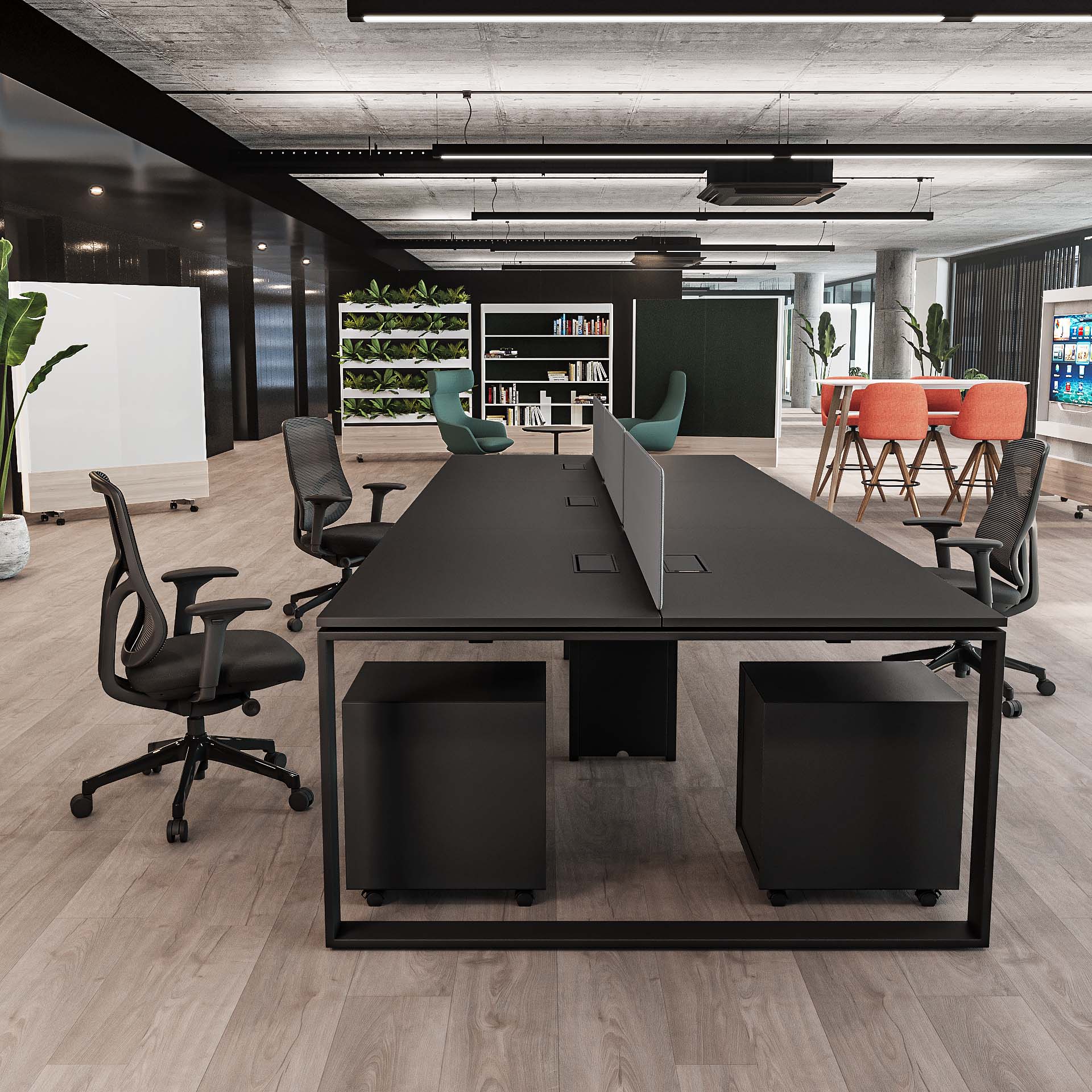
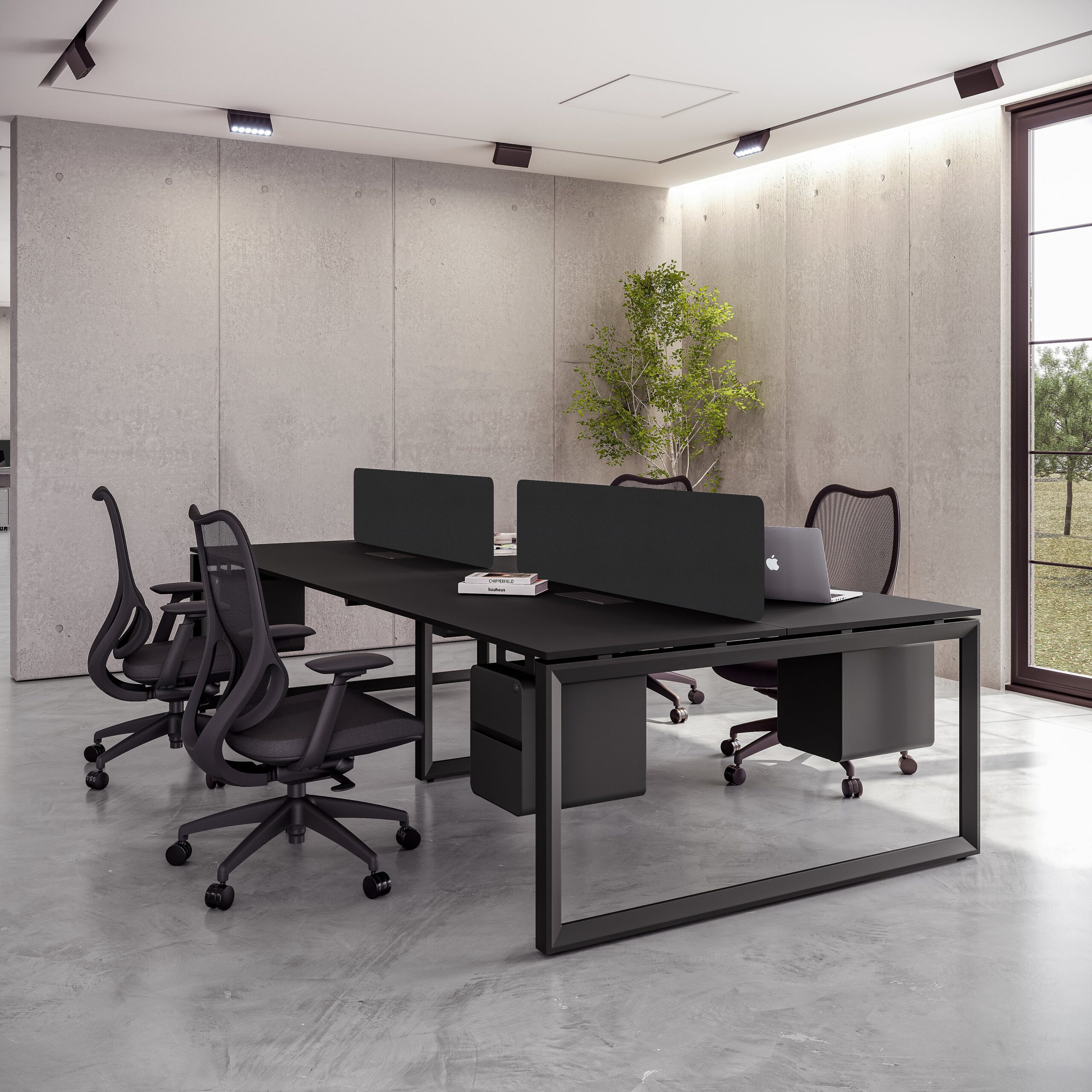
This kind of standing desk is the one that promotes flexible working styles and shared workstations. It also assists in avoiding strain since every individual is able to come up with a comfortable height. This type of office arrangement is more flexible, which is why many business leaders favor it when the hybrid offices or open-plan layouts are required.
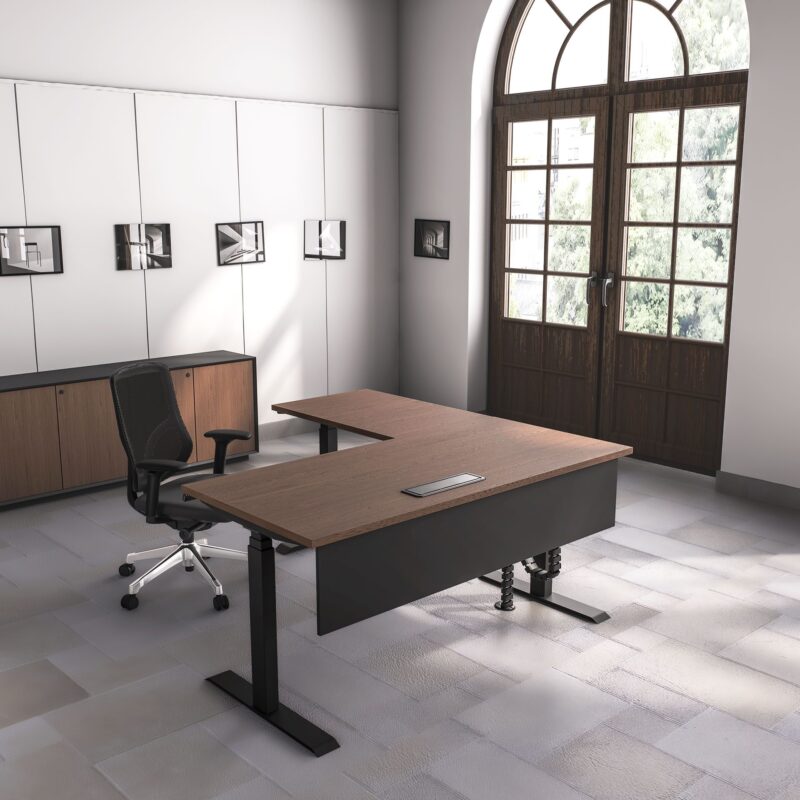
Corner and L-Shaped Standing Desks
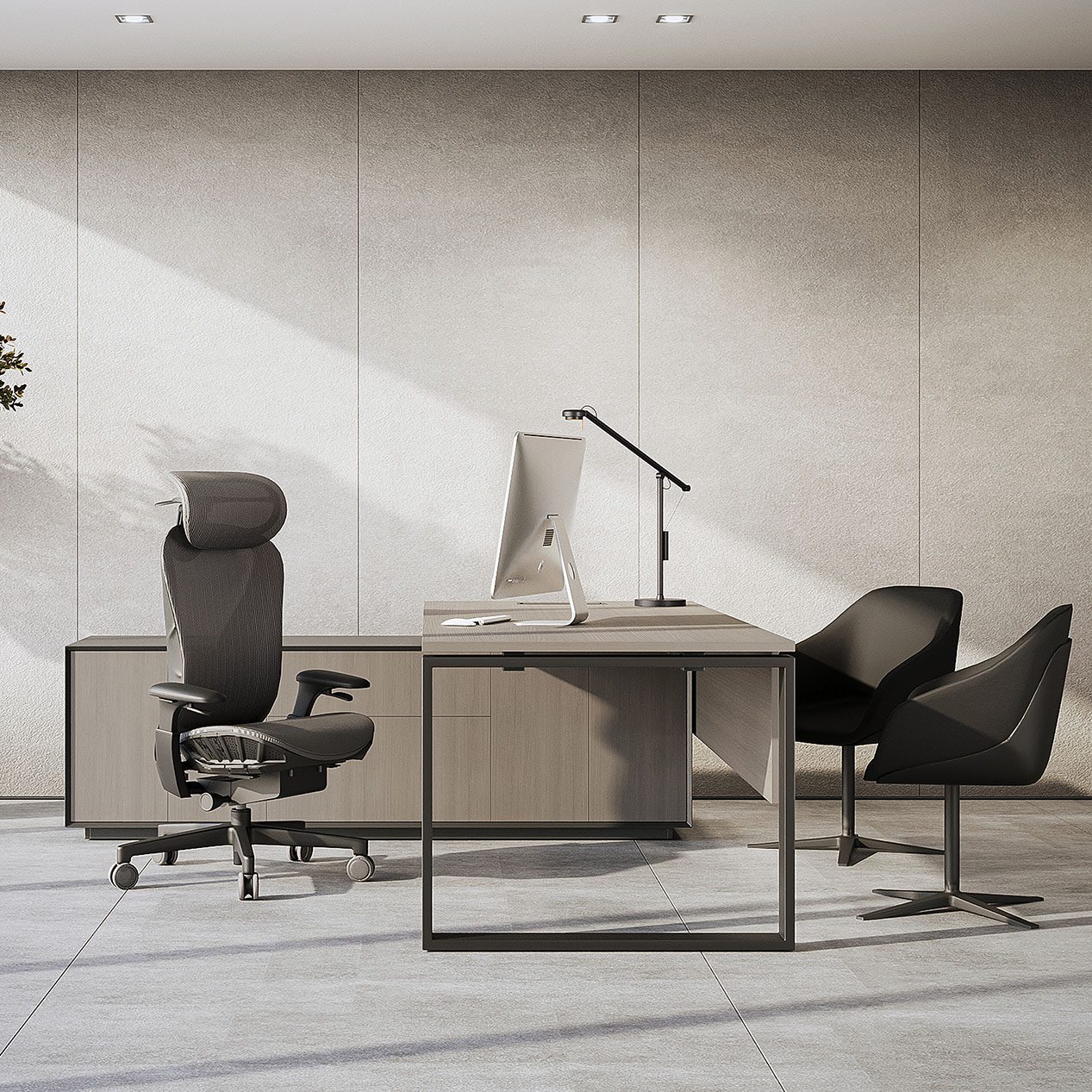
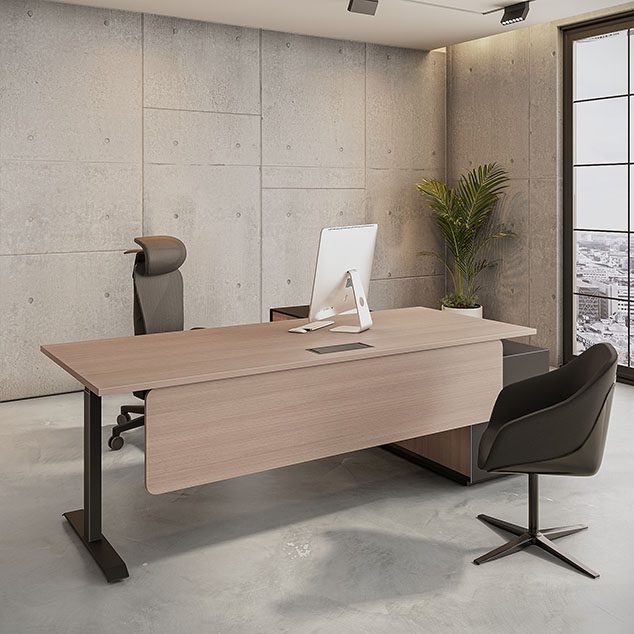
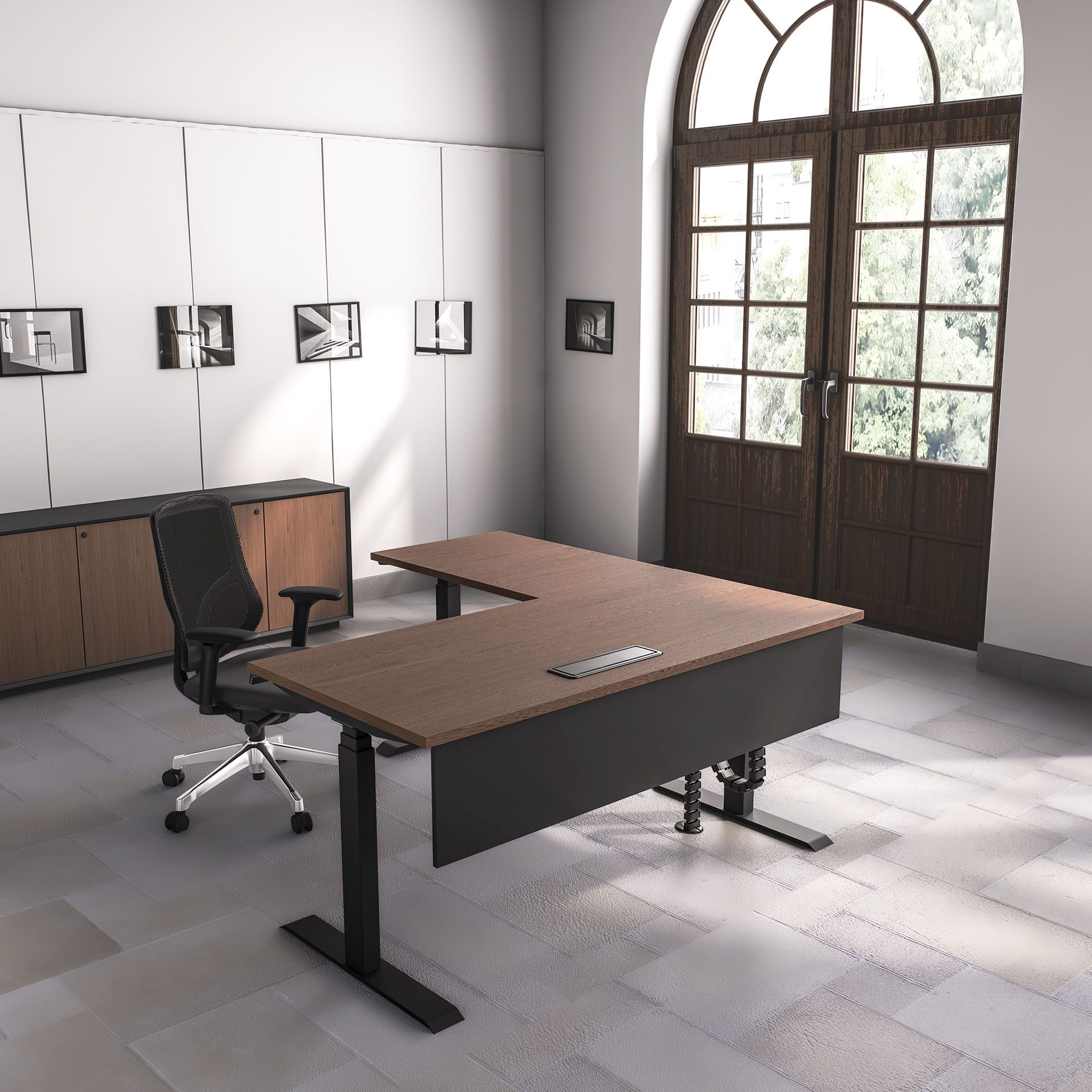
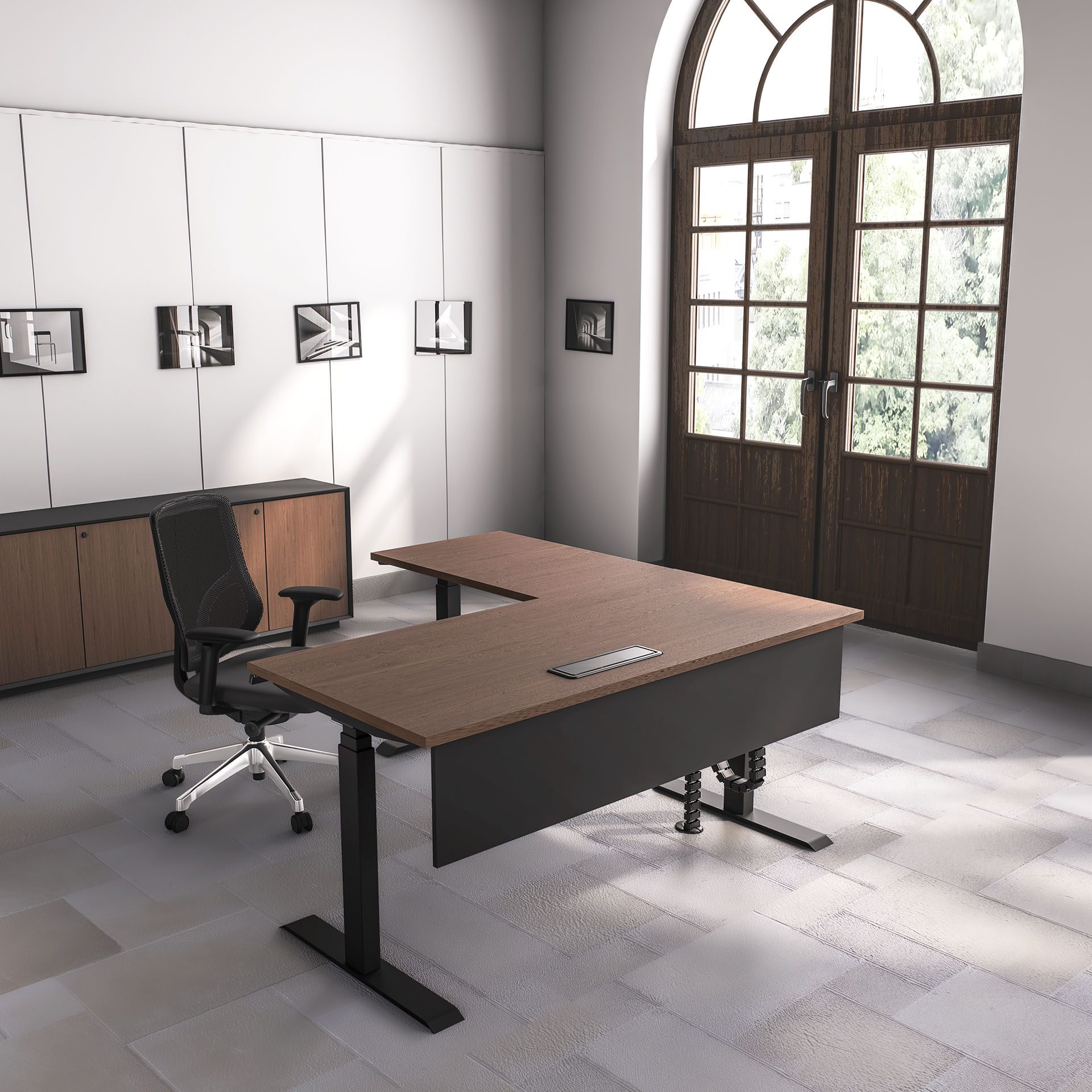
Corner and L-shaped standing desks have maximum space and provide larger surfaces. They would work best in jobs that would need several monitors, documents, or equipment. And they’re also effective in executive offices, design teams and those employees who require multitasking. Due to their long structure, the desks are more organized and have a better workflow.
Compact or Portable Standing Desks
Compact rectangular standing desks are suitable in small offices or in flexible working areas. They’re portable, transportable, and even foldable. They’re used in many offices either as hot-desking or quick collaborative areas. There are also portable units that can be rolled from room to room and therefore, they can be used within a training room or project temporary area.
This kind is flexible without occupying a lot of space, thus making the office design well-planned and functional.
Key Features to Look for in a Standing Desk
When choosing a standing desk, certain features matter more than others.
Ergonomic adjustment: The desk must have a considerable height range. Fluid transitions will avoid discontinuity in the working.
-
- Stability and construction quality: A solid frame will minimize sideways movement particularly when heavy equipment is used or during use of two monitors.
- Desktop dimensions and materials: Bigger desks are useful in management of tasks. Wood, laminate or engineered boards are some of the materials used that are durable and give a clean appearance.
- Cable management: In-built cutouts or cable trays assist in keeping the workspace clean, thus, minimizing distractions.
- Helpful accessories: Monitor stands, anti-fatigue cushions, or under desk drawers could be helpful and enhance a more comfortable and organized workspace.
Read Also: How Can Office Furniture Improve Employee Posture and Health?
Benefits of Using a Standing Desk
There are a number of long-term advantages of a standing desk. Here are few:
-
- Improved posture: The sitting and standing position alleviate the stress on the neck and the back. So, the employees experience less stiffness and pain during the day.
- Enhanced productivity: Better circulation will lead to better energy. The research conducted in the International Journal of Environmental Research and Public Health revealed that the workers who sat on standing desks reported improved concentration and participation.
- More comfortable workspace: Standing desks prefer modern office fashions. They assist the teams to move around and change their environment when necessary.
It also increased comfort in the body as a whole; Micro-movements and posture adjustments decrease the sedentary lifestyle and help in long-term health.
Improve Your Office Setup with the Right Standing Desk
The proper standing desk will change the way your team operates. It gets you to be healthier, more comfortable, and promotes better productivity throughout the office. Simple fixed-height desks, flexibility of height-changeable, or spacious corner setups, the correct choice can be a real difference.
At Urban 411, we offer a range of high-end standing desks that help to maintain comfort, durability, and enhanced performance at any workspace. If you’re intending to upgrade your office, our team will carefully and smartly help you in selecting the most appropriate ergonomic office furniture solutions for your workspace.
FAQs
1. Are standing desks actually good for employee productivity?
Yes. Standing desks encourage movement, increase alertness, and can help employees stay focused for longer periods.
2. How long should someone stand while using a standing desk?
Most experts suggest alternating between sitting and standing every 30–60 minutes to avoid strain and maintain comfort.
3. Do standing desks help reduce back pain?
They can. A standing desk supports better posture and reduces pressure on the lower back, which may ease discomfort from long sitting hours.
4. What features matter most when choosing a standing desk for an office?
Key features include height adjustability, strong stability, adequate desktop size, and cable management to keep workstations organized.