

Blog
Task Chairs and Daily Work Performance Seating for Modern Offices
Task Chairs and Daily Work Performance Seating for Modern Offices
In most offices, task chairs are the most frequently used seating element, yet they are often the least strategically selected. Employees spend the majority of their day in these chairs, performing focused work that requires consistency, stability, and minimal physical distraction.
Unlike other seating types, task chairs are not designed for occasional use. They are built for continuous daily performance, where even small inefficiencies, such as poor seat alignment or limited adjustability, can affect productivity over time.
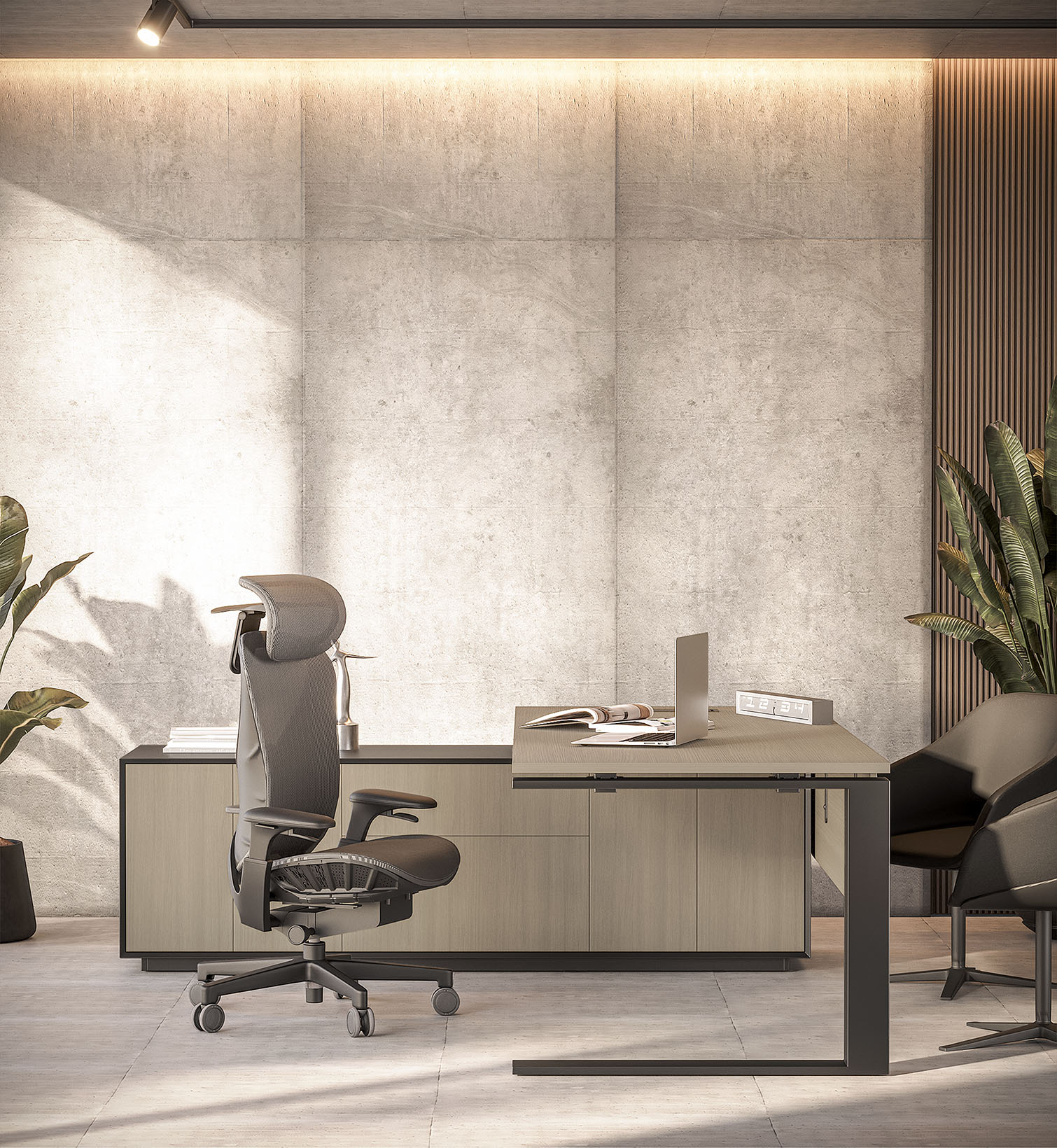
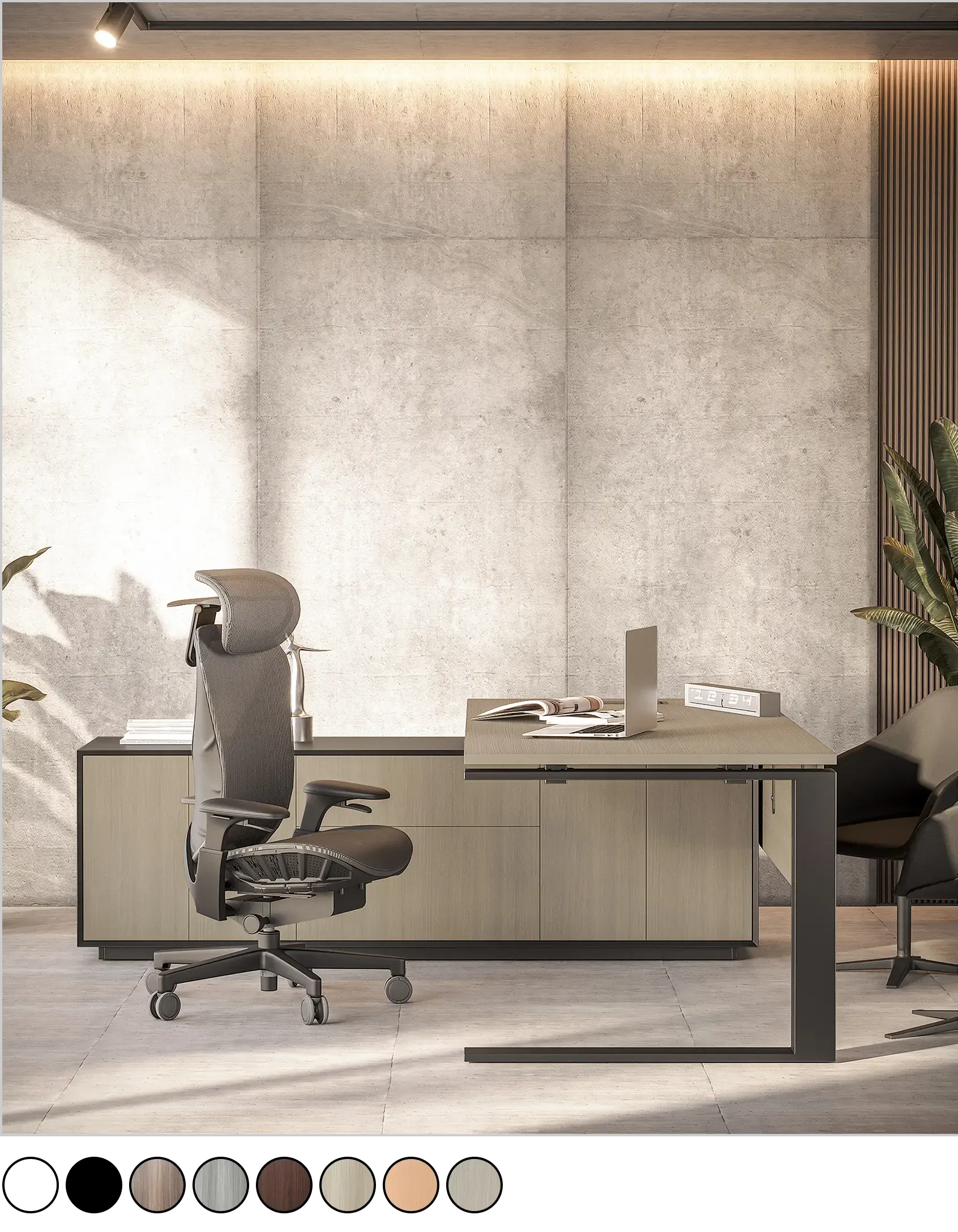
When properly selected and integrated into office workstations and paired with height adjustable desks, task chairs become a critical component of a high-performing workspace rather than just a basic necessity.
What Defines a High-Performance Task Chair?
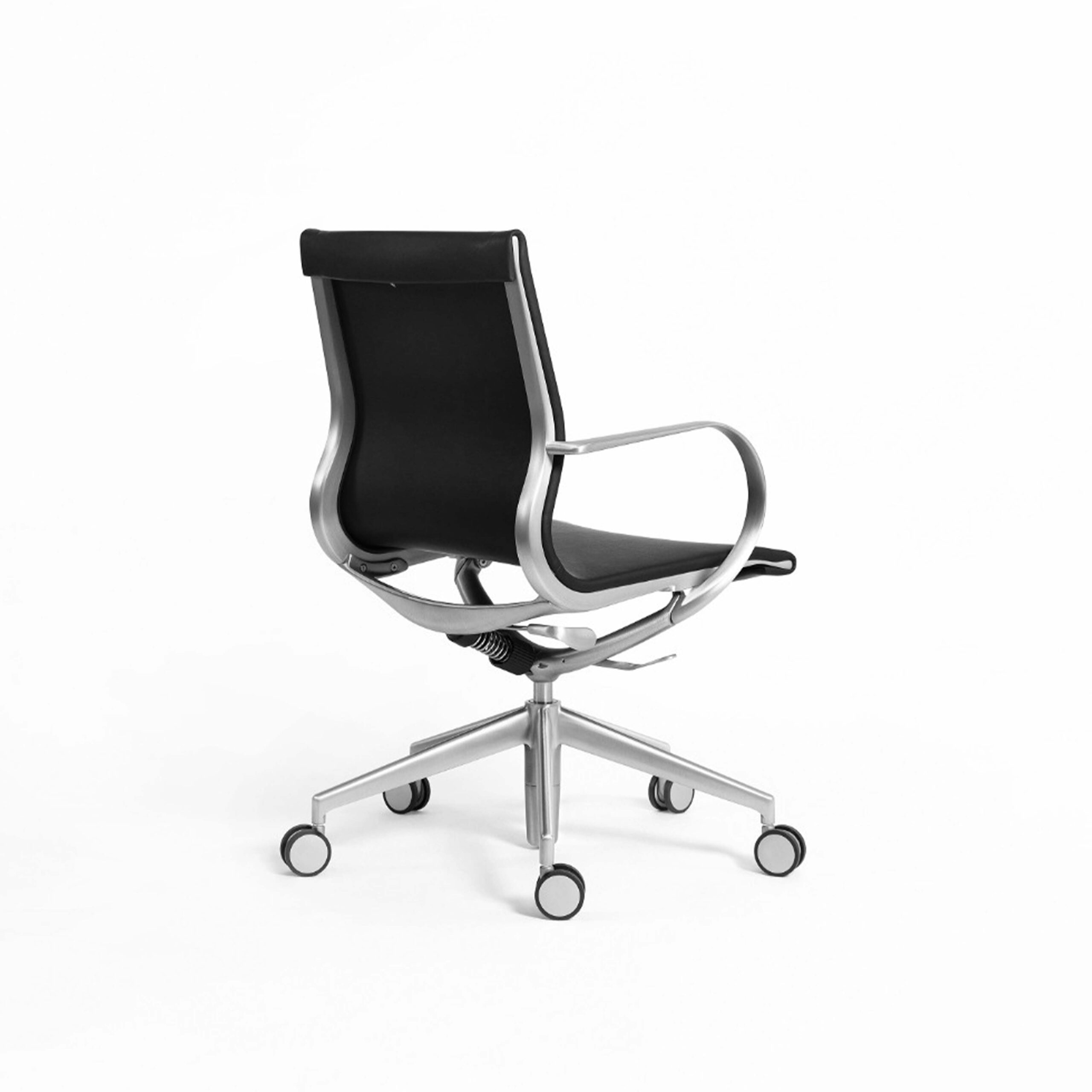
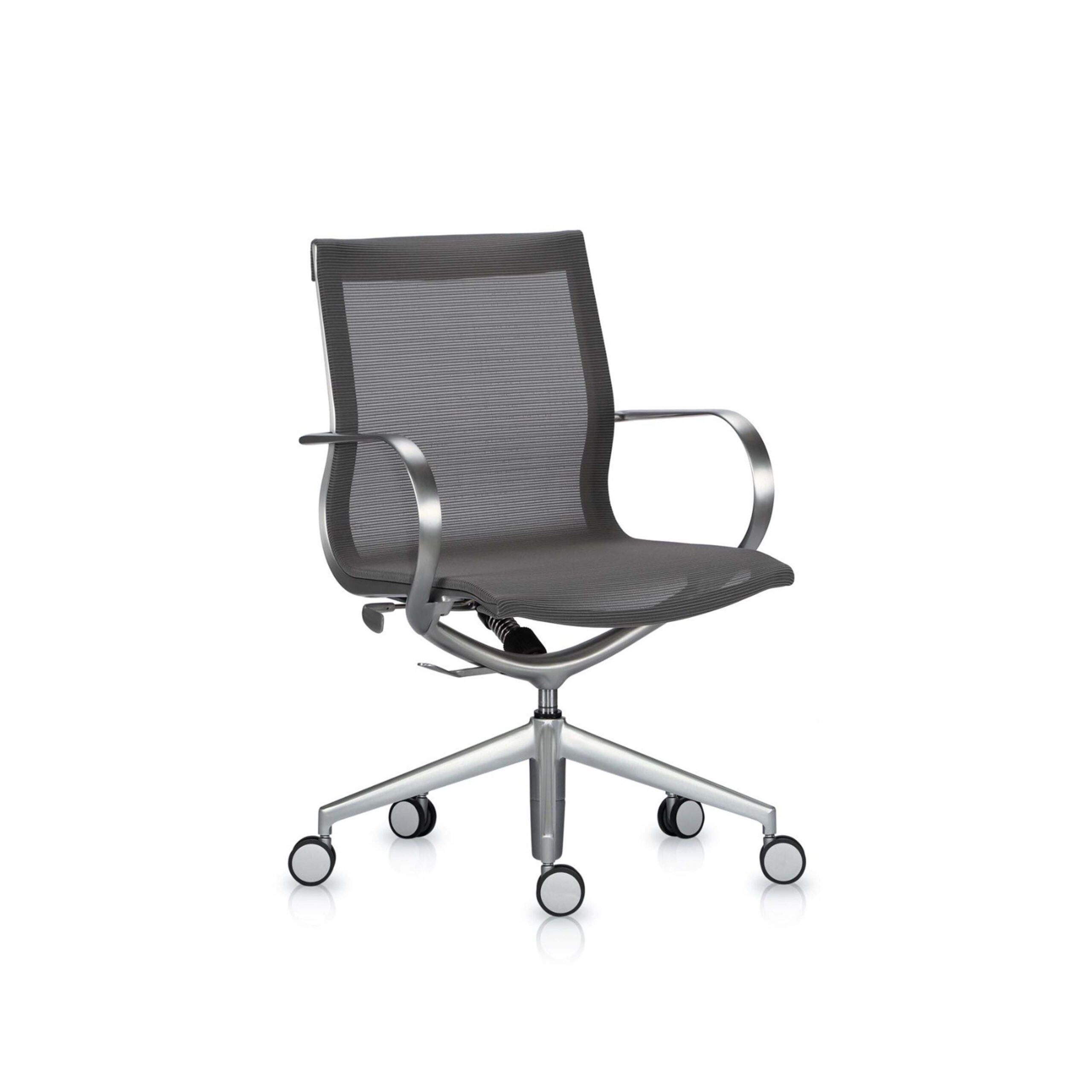
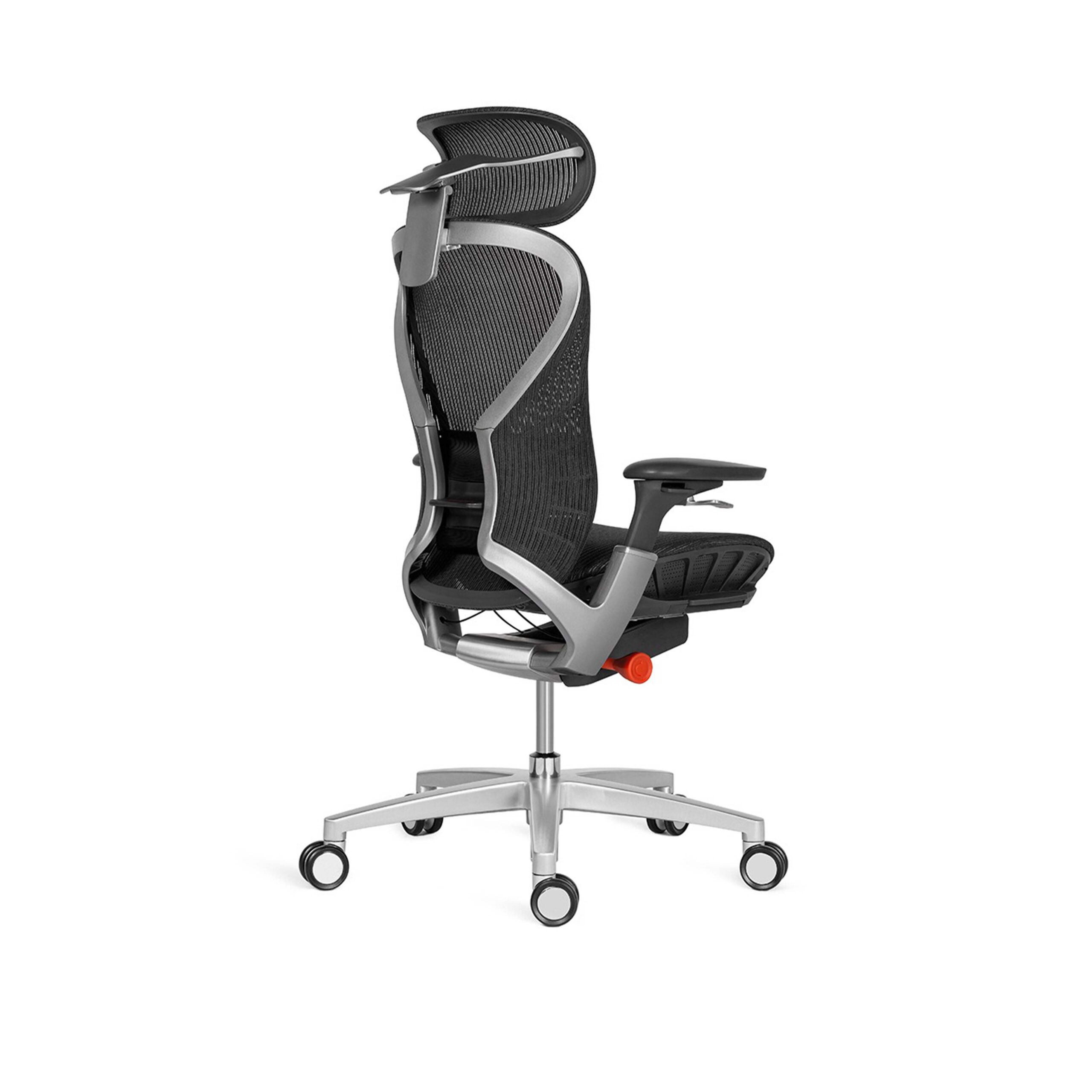
A task chair is not defined by appearance or padding alone. Its performance depends on how well it supports repetitive, long-duration tasks without creating fatigue.
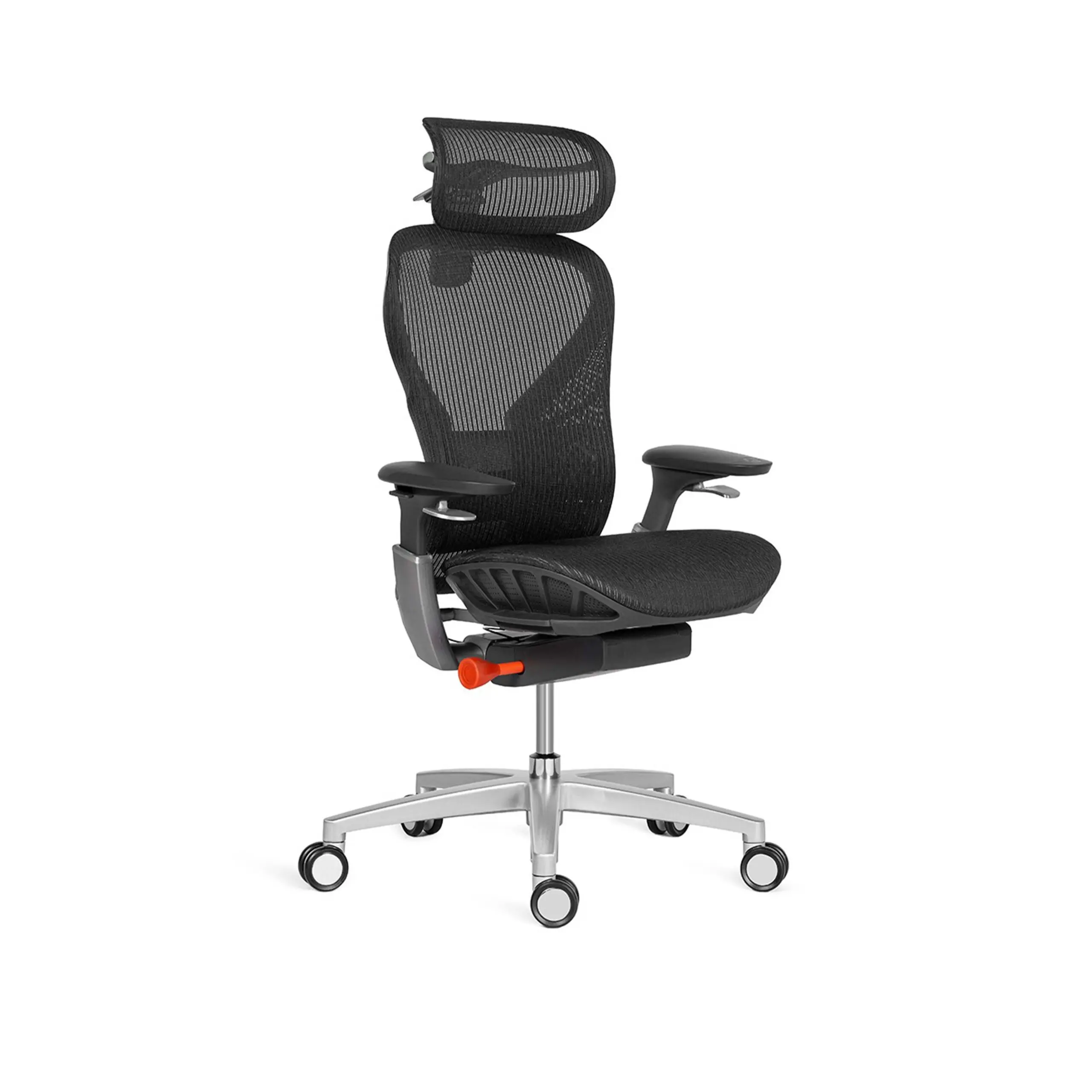
Key characteristics of high-performance ergonomic task seating include:
- Responsive adjustability (height, tilt, lumbar support)
- Stable base for frequent movement within workstation areas
- Breathable materials, especially in high-use environments
- Compact form factor to fit efficiently within workstation layouts
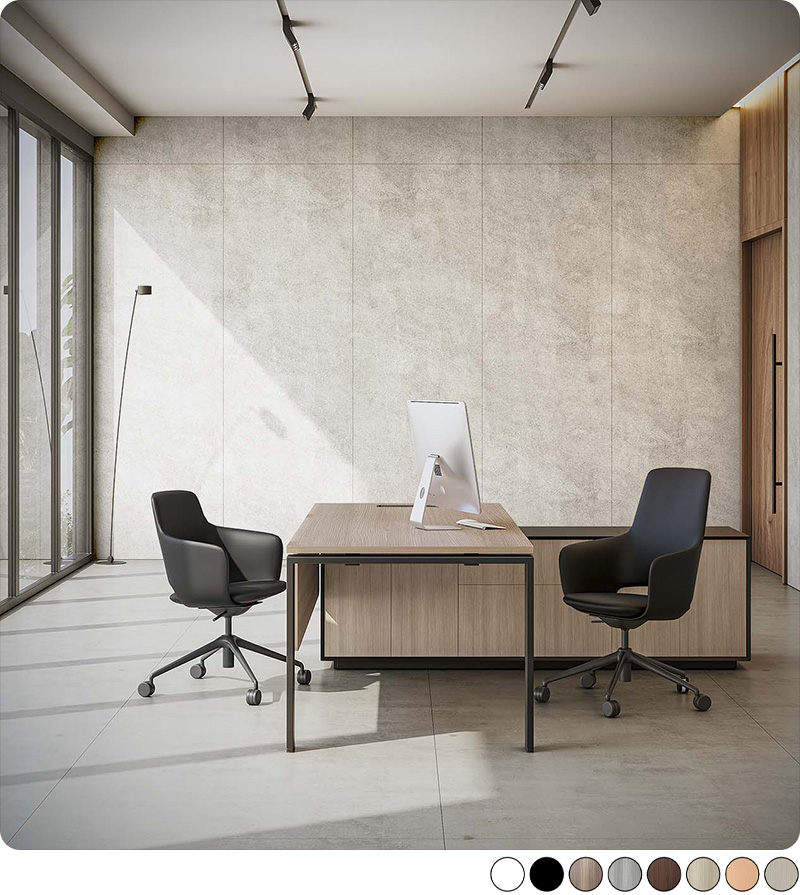
Unlike bulkier seating such as executive chairs, task chairs are designed to enable movement, not restrict it. This makes them ideal for environments where employees frequently shift positions, access different tools, or interact with nearby team members.
Continuous Use and Seating Fatigue
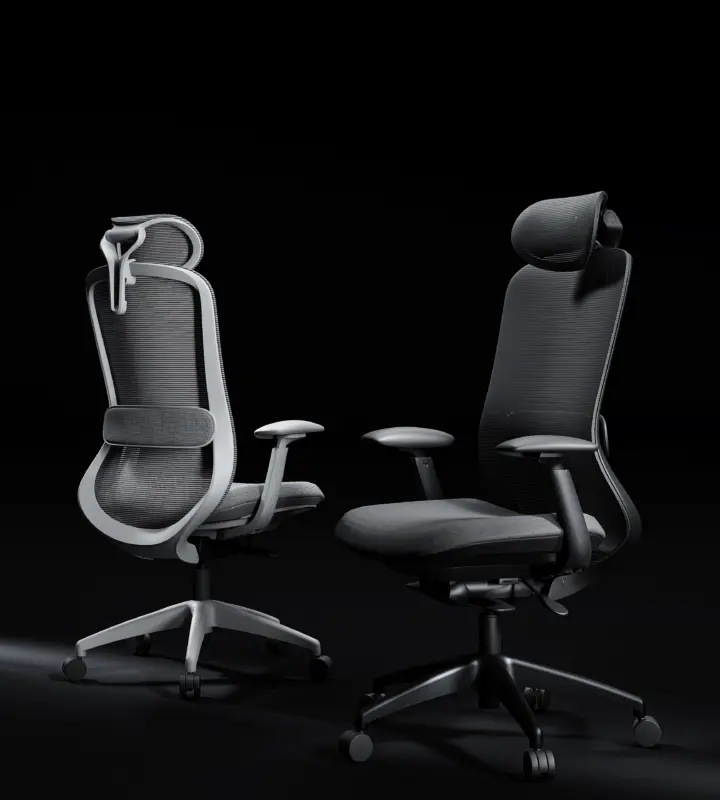
The primary role of a task chair is to support continuous sitting cycles, often lasting 6–9 hours per day. Over time, even minor discomfort can lead to:
- reduced focus
- frequent posture adjustments
- unnecessary breaks
This is known as seating fatigue, and it directly affects daily work performance.
High-quality adjustable office chairs minimize this issue by:
- distributing weight evenly
- supporting natural spine alignment
- allowing subtle posture changes
According to the Canadian Centre for Occupational Health and Safety, properly designed seating reduces fatigue and improves sustained work performance.
Practical insight:
A task chair should feel consistent after 6 hours, not just comfortable in the first 30 minutes.
Adjustability That Actually Gets Used
Many chairs offer multiple adjustment features, but in reality, most users only interact with a few.
Effective workstation chairs focus on:
- quick height adjustment
- simple tilt control
- easy lumbar positioning
Overly complex mechanisms often go unused, especially in shared office workstations.
For daily-use environments, the goal is:
fast, intuitive adjustments that users will actually apply
This becomes even more important in hybrid offices where multiple users share the same chair.
Task Chairs and Workstation Efficiency
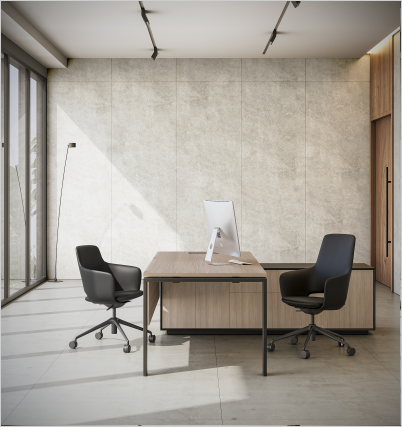
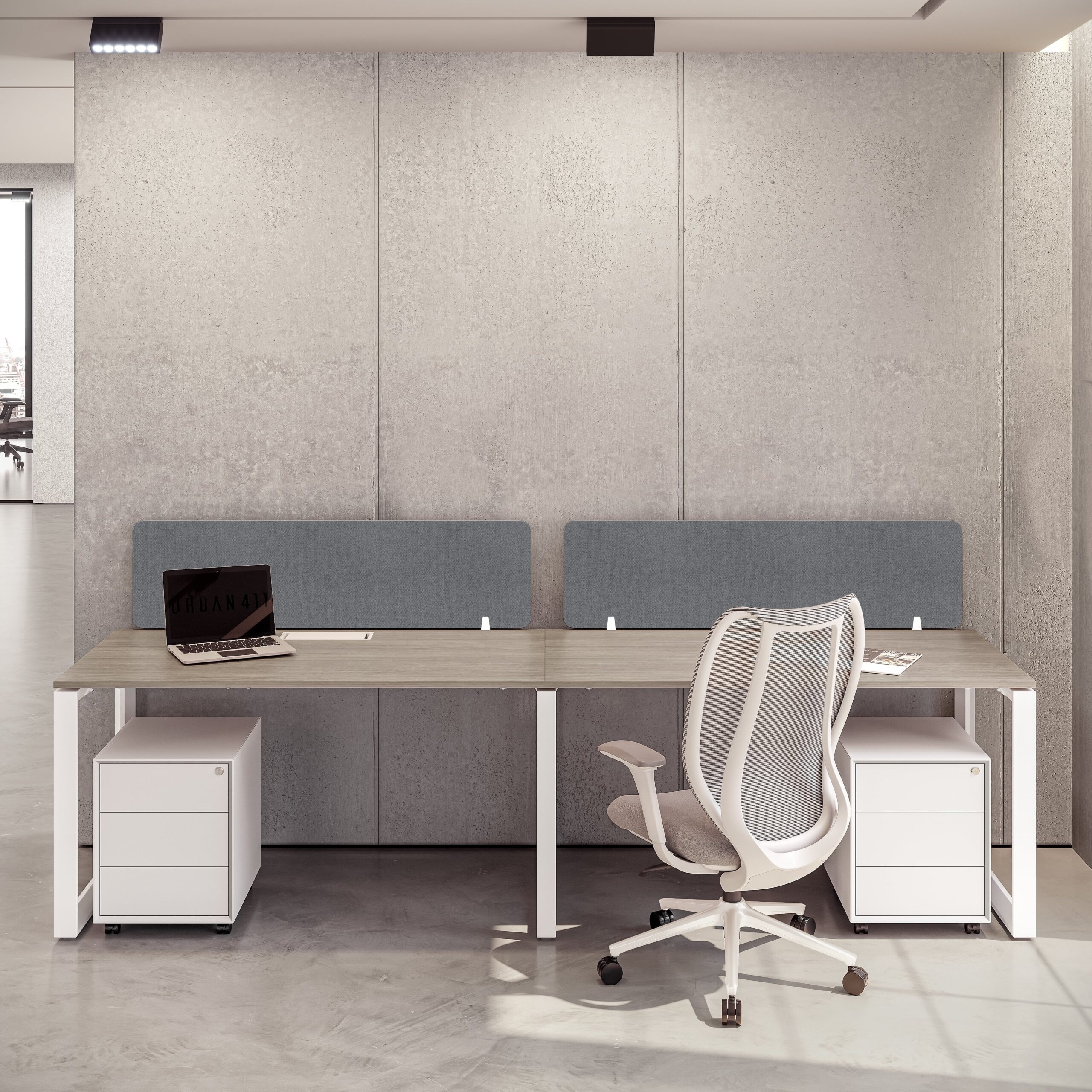
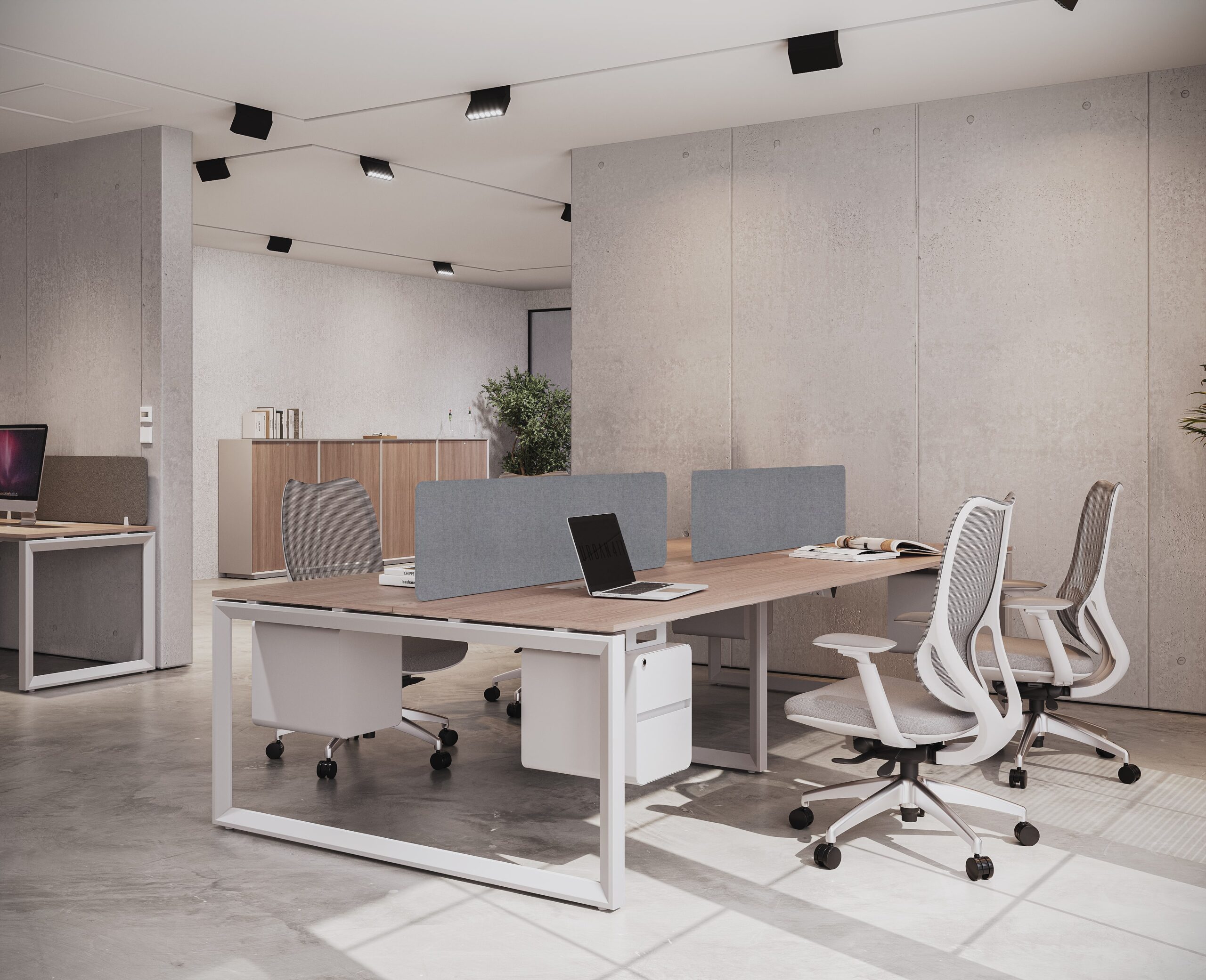
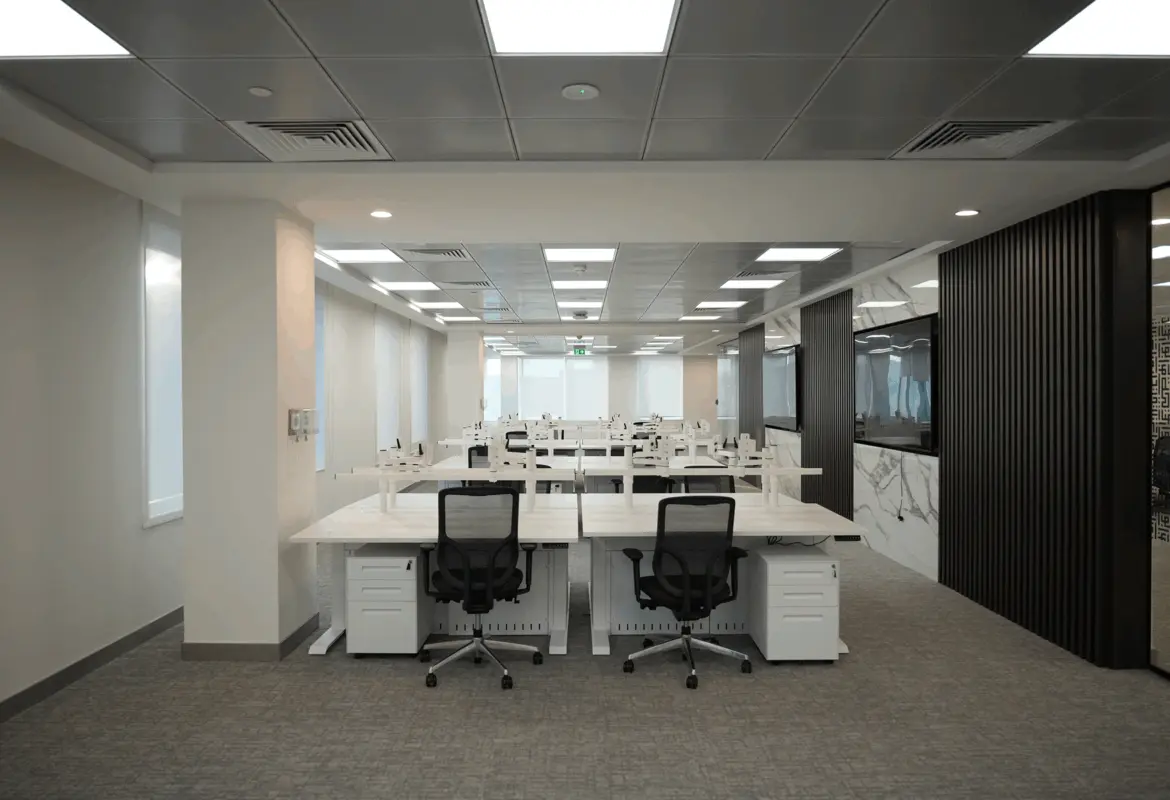
Task chairs must function as part of a complete workstation system, not as standalone seating.
When aligned correctly with:
- office workstations
- desk height and layout
- monitor positioning
they reduce unnecessary movement and improve workflow efficiency.
For example:
- improper seat height can disrupt arm positioning
- poor alignment with desks increases reaching distance
- unstable seating reduces precision in focused tasks
By integrating ergonomic task chairs into workstation planning, businesses create setups where employees can perform tasks with minimal physical interruption.
Material Performance in Daily Use
Material choice plays a significant role in how task chairs perform throughout the day.
In high-usage offices:
- mesh task chairs provide better airflow and reduce heat buildup
- fabric seating offers a balance between comfort and durability
- overly padded chairs may compress over time, reducing support
This is especially relevant in UAE offices where employees remain seated for long durations, even in air-conditioned environments.
The focus should be on long-term usability, not initial comfort feel.
Mobility and Task Efficiency
Task chairs are designed for active work environments, where users frequently move within their immediate workspace.
Key mobility considerations:
- smooth rolling for quick access within office workstations
- controlled movement to avoid instability
- swivel functionality for multitasking
In dense office layouts, excessive movement can reduce efficiency, while limited movement can restrict workflow.
The right balance ensures that the chair supports task execution without becoming a distraction.
Task Chairs in Flexible Work Environments
As offices adopt hybrid models, task chairs are increasingly used in shared and flexible setups.
In such environments, chairs must:
- adjust quickly for different users
- maintain performance across varying usage patterns
- integrate with setups that include height adjustable desks and nearby office pods
This adaptability ensures that task chairs remain effective regardless of who is using them or how the workspace is configured.
FAQs
Task chairs are made to be used every day and help people stay focused at their workstations.
A good task chair should give you the same support for 6 to 8 hours of use every day.
Yes. Task chairs that are easy to adjust are great for offices that are shared or have a mix of people.
Mesh chairs are good for places where people sit a lot because they let air flow better and keep heat from building up.
Task Chairs by Urban 411
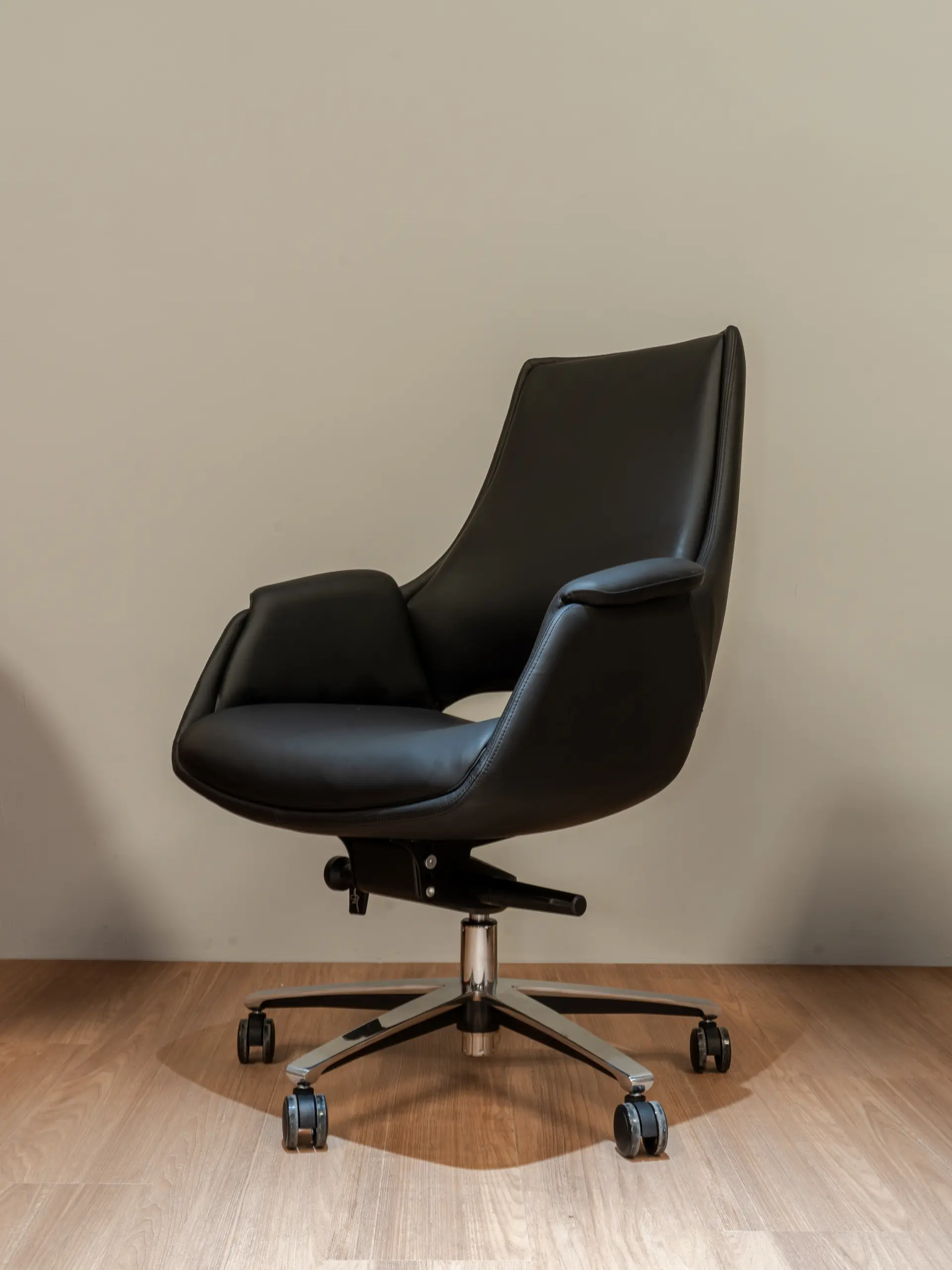
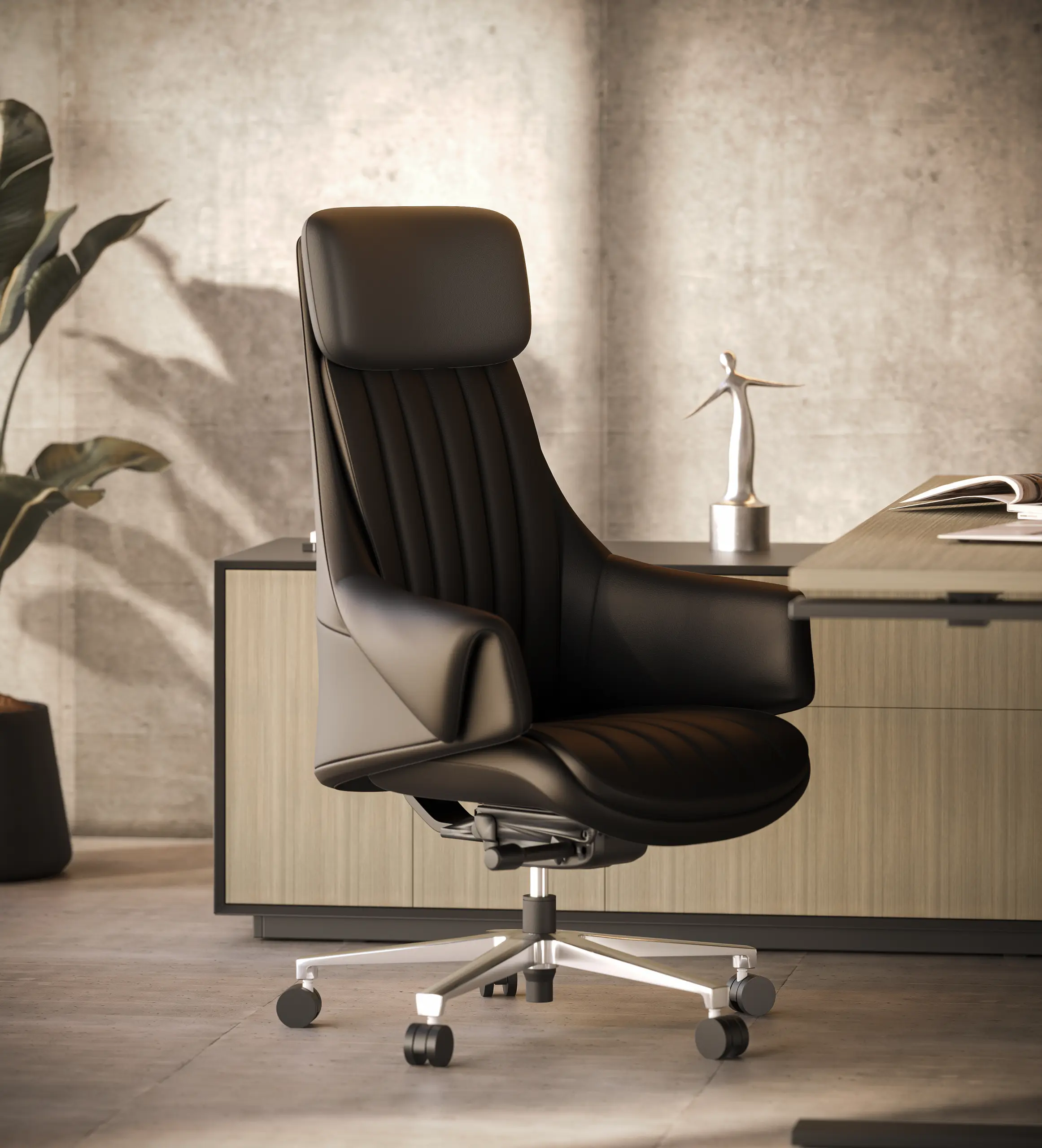
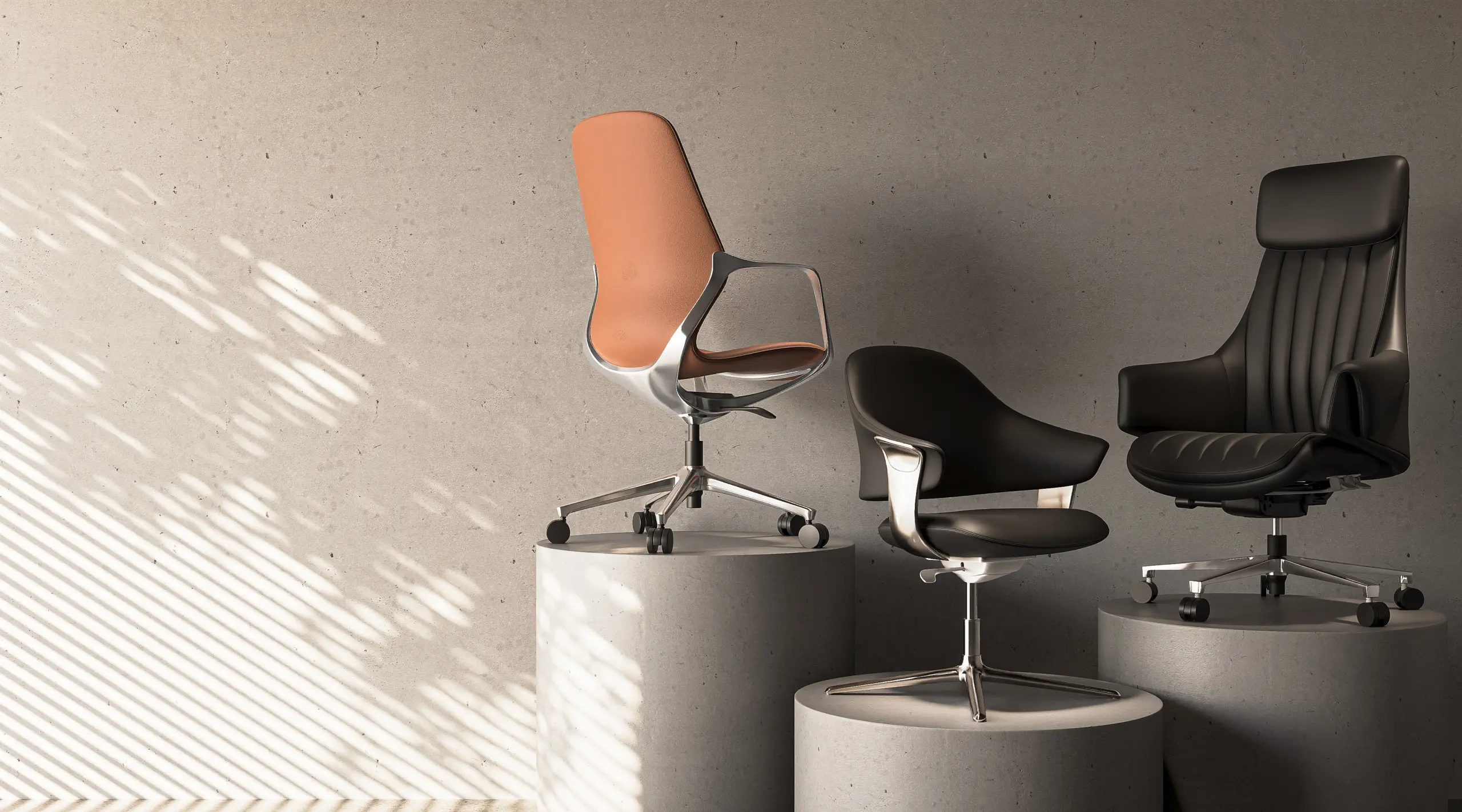
Urban 411 Office Furniture designs task chairs to support real workplace performance, focusing on continuous daily use rather than short-term comfort. These seating solutions integrate with office workstations, align with height adjustable desks, and function effectively in flexible environments supported by office pods.
By prioritizing usability, movement, and workstation alignment, Urban 411 helps businesses create seating systems that perform consistently across demanding work environments.