

Blog
From Cubicles to Open Plans: The Evolution of Modern Office Furniture Design
Cubicles to Open Plans: The Evolution of Modern Office Furniture Design
For decades, cubicles were the standard in corporate offices, dominating workspaces throughout the late ’90s and early 2000s. However, this trend has changed as employers recognize the challenges of isolated work. Today, collaboration and teamwork are key to productivity. Instead of employees staying confined to cubicles, modern offices now embrace open, collaborative spaces.
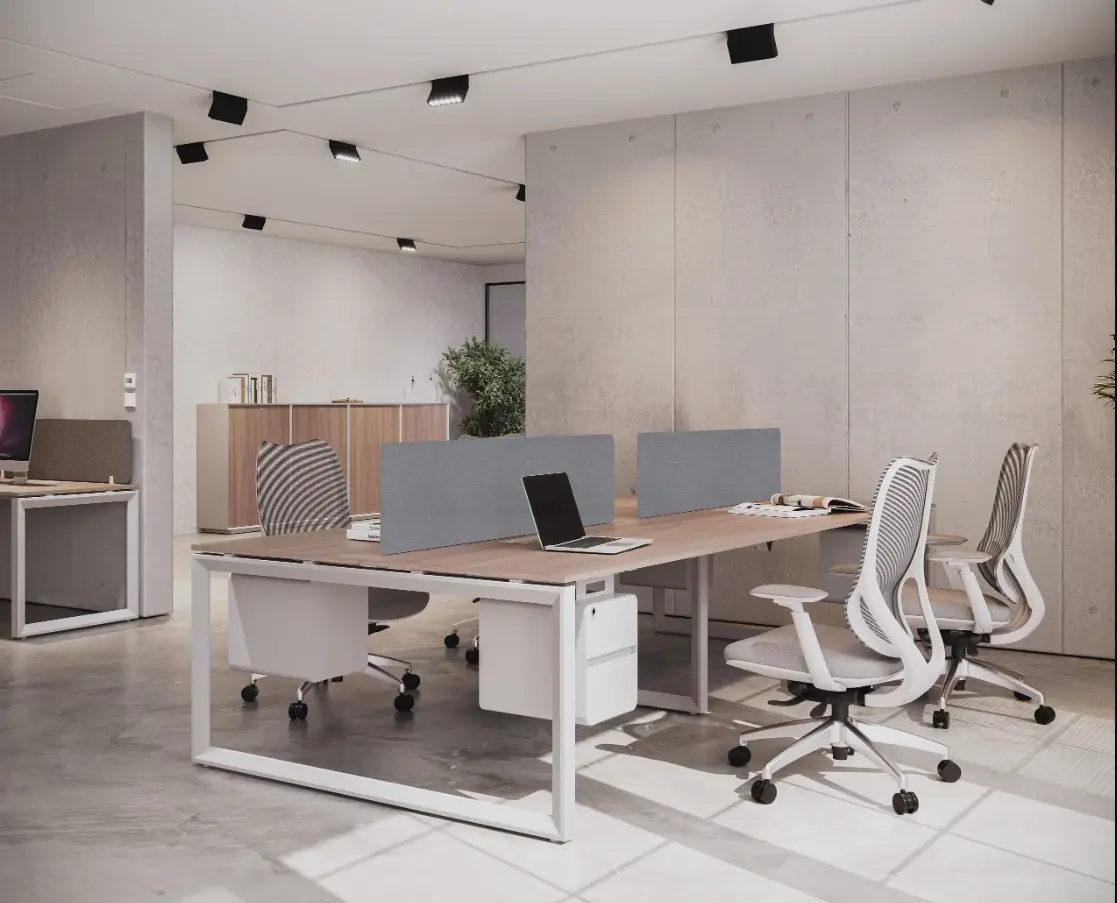
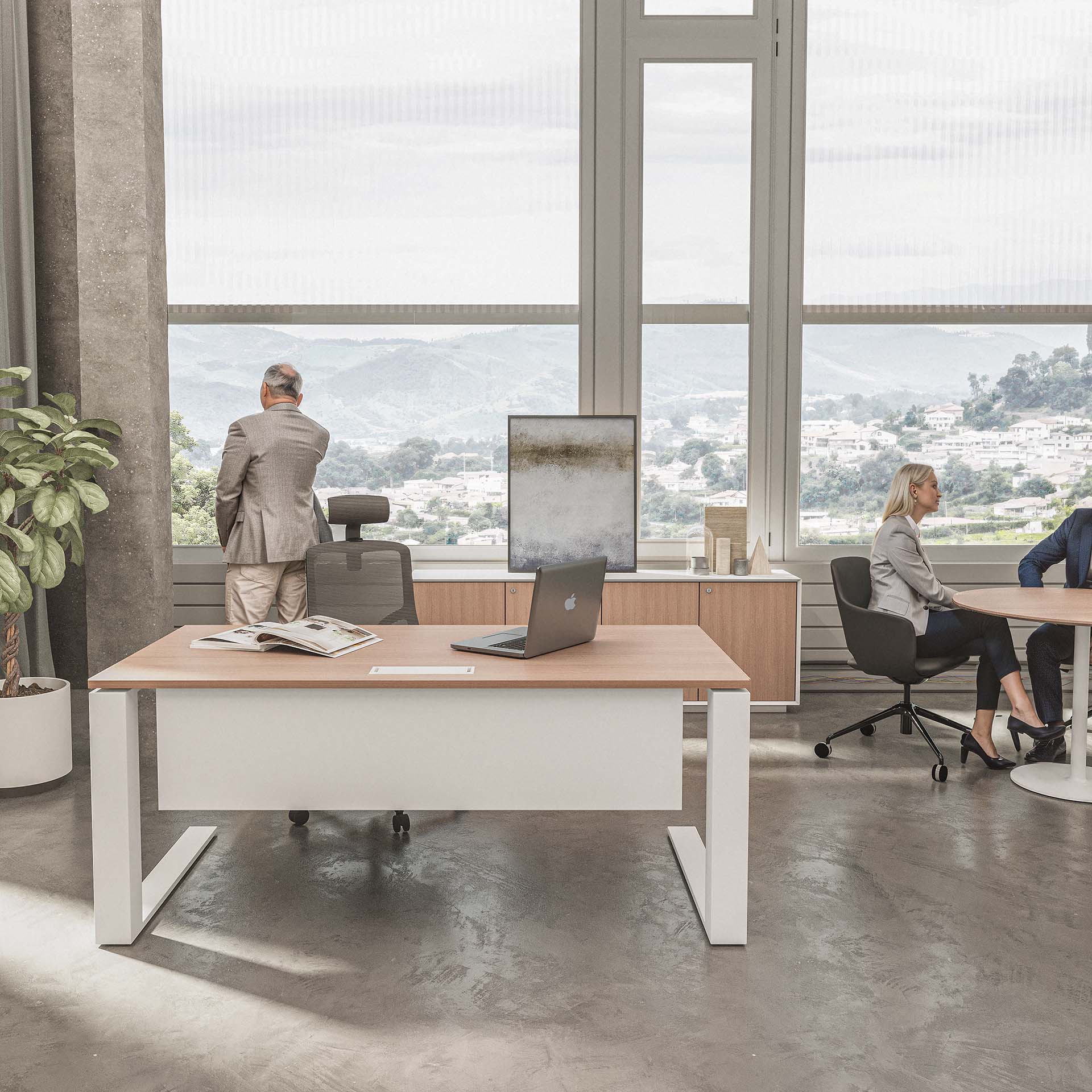
Open plan layouts encourage interaction, improve airflow, and allow natural light to flow through the office, creating a brighter and more spacious environment. This shift has influenced modern office furniture and interior design, reflecting a broader change in workplace culture, employee satisfaction, and overall productivity.
The Age of Cubicles
First designed by Robert Propst in 1964, the cubicle was meant to give employees privacy and reduce distractions, improving focus and productivity. Over time, however, cubicles have strayed from this original purpose. Today, they are often seen as monotonous and isolating. Cubicles can block natural light and airflow, restrict communication, and limit collaboration, which can lower employee morale and stifle creativity.
The Open-Plan Layout
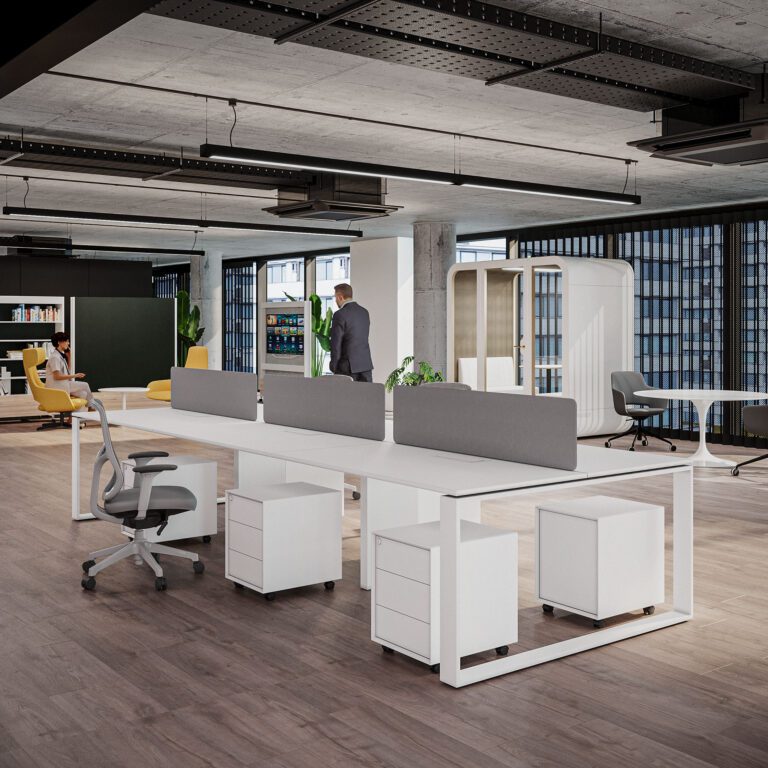
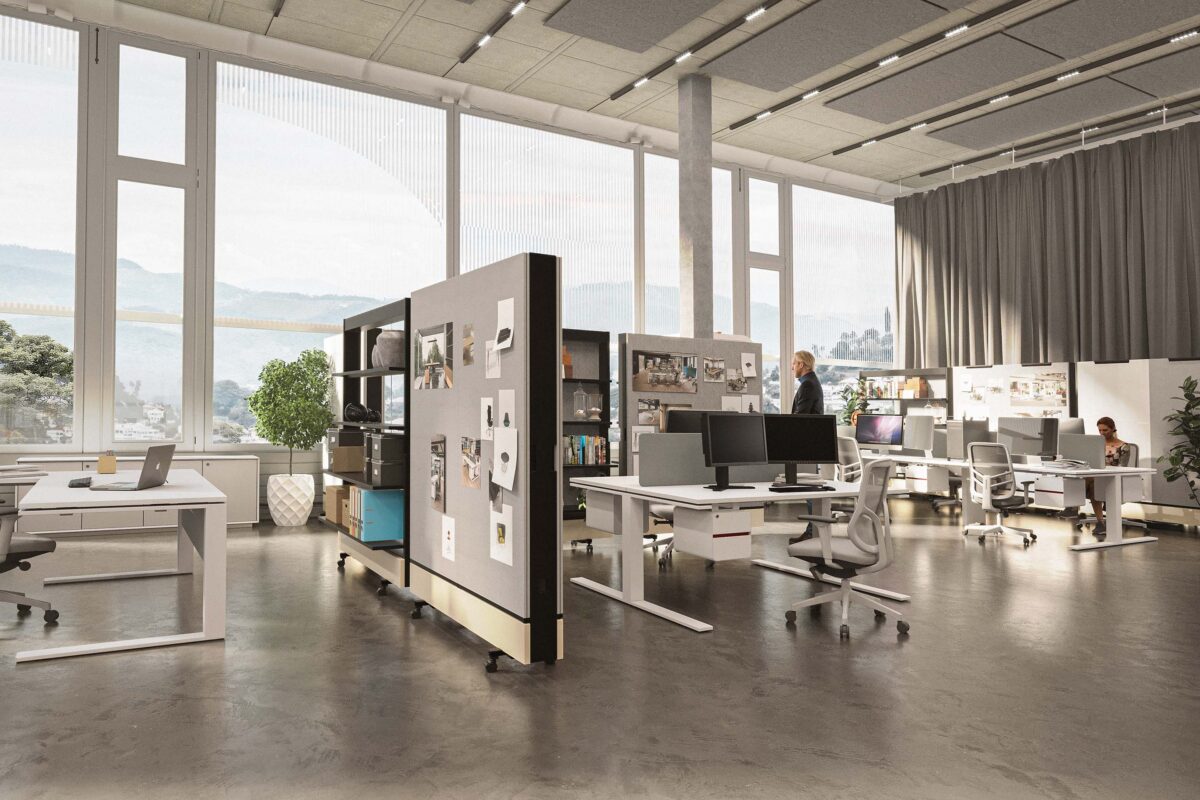
In the early 21st century, office layouts began to shift as employers moved away from traditional cubicles. Open plan designs became the preferred choice, saving space while promoting communication and collaboration among team members. These layouts encourage spontaneous interactions, fostering problem-solving and innovation.
For growing companies, open offices are ideal because they allow easy reconfiguration to accommodate changing team sizes and modern technologies. This flexible approach quickly became popular among employers across the UAE, reflecting the evolving needs of modern workplaces.
Challenges of Open Plans
Open-plan offices offer many benefits, which is why they remain popular. However, it’s important to be aware of their drawbacks. Large open layouts can lead to noise, distractions, and reduced productivity, especially for teams with diverse working needs. These setups also lack privacy, making it harder to focus on tasks that require deep concentration.
In the post-pandemic world, open spaces can increase the risk of airborne illnesses spreading across the office, making careful planning and proper safety measures essential for maintaining a healthy workplace.
Meeting in the middle: Hybrid Office Layouts
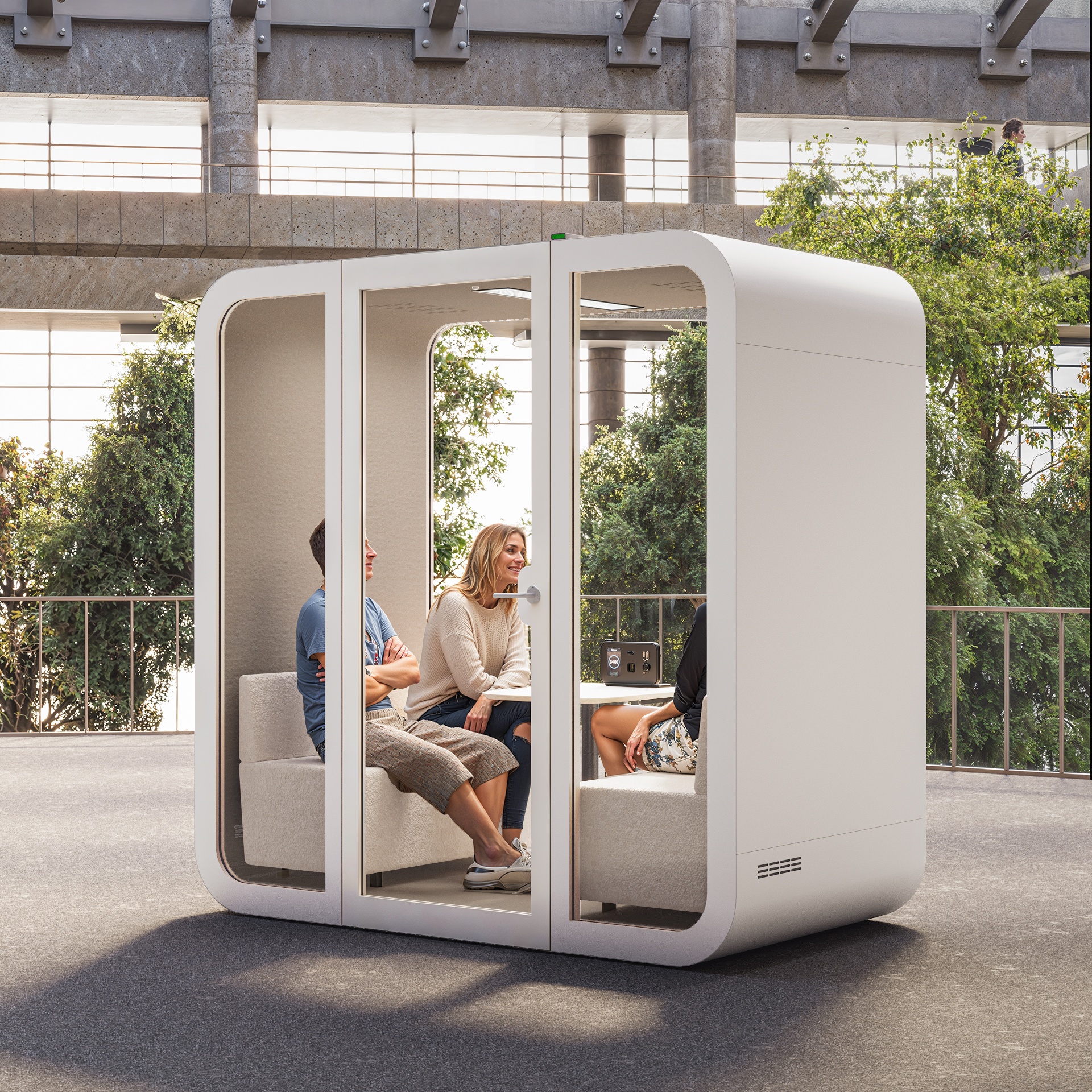
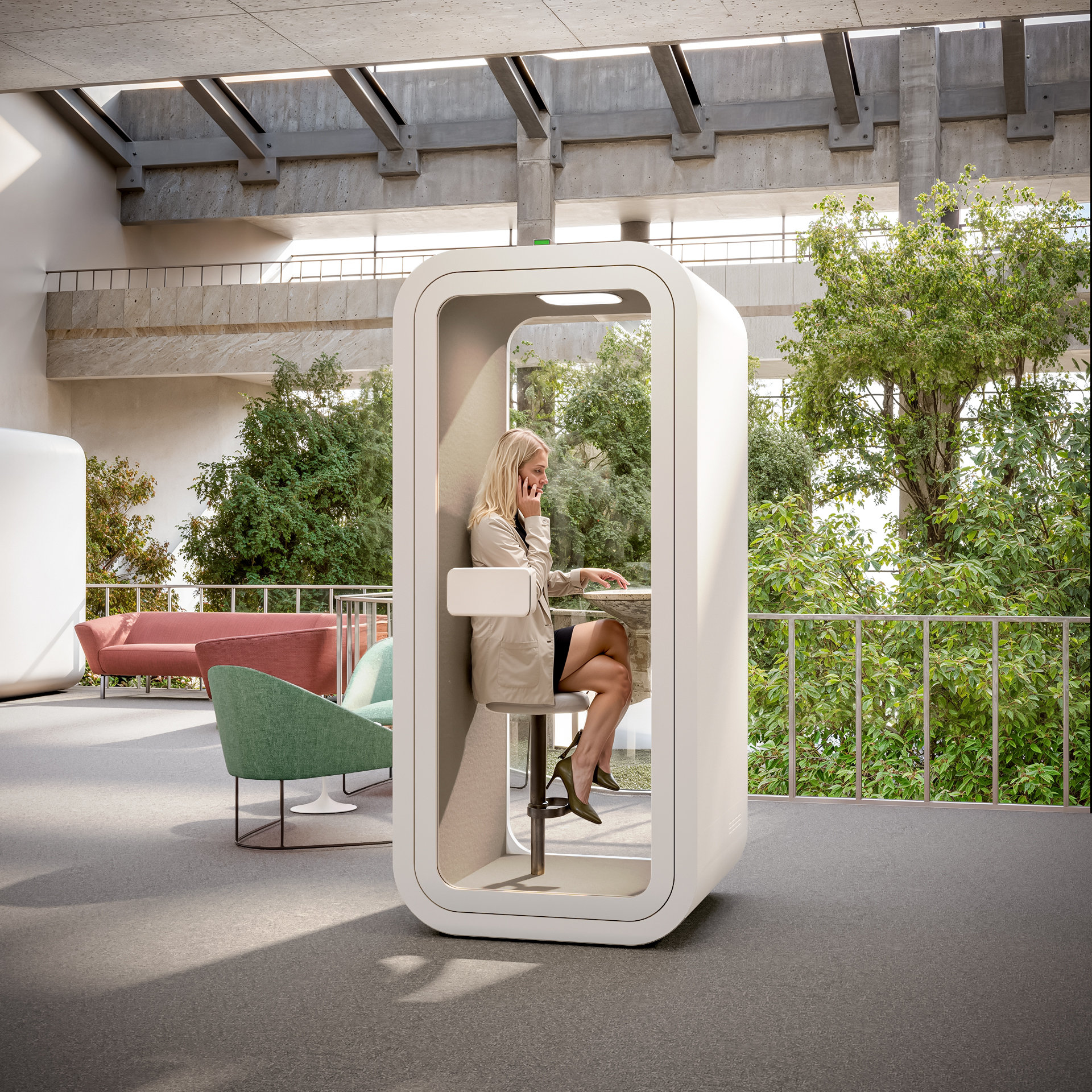
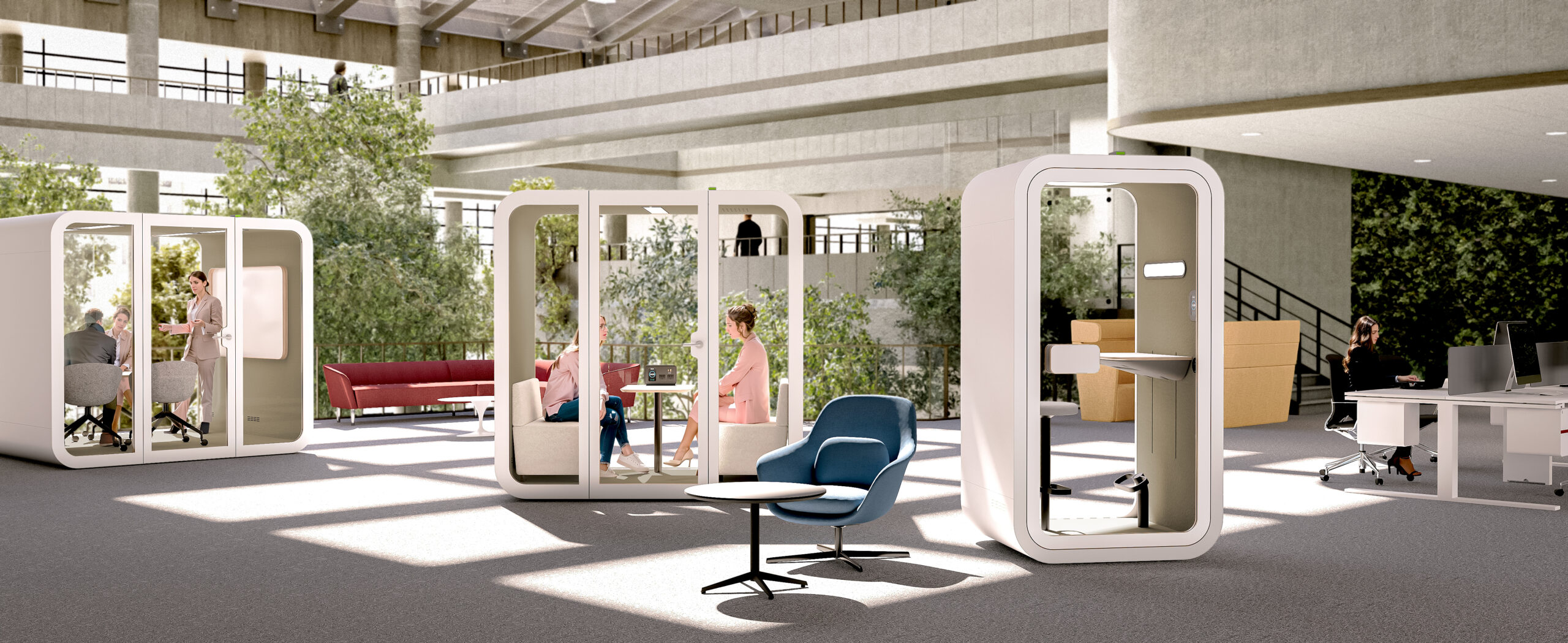
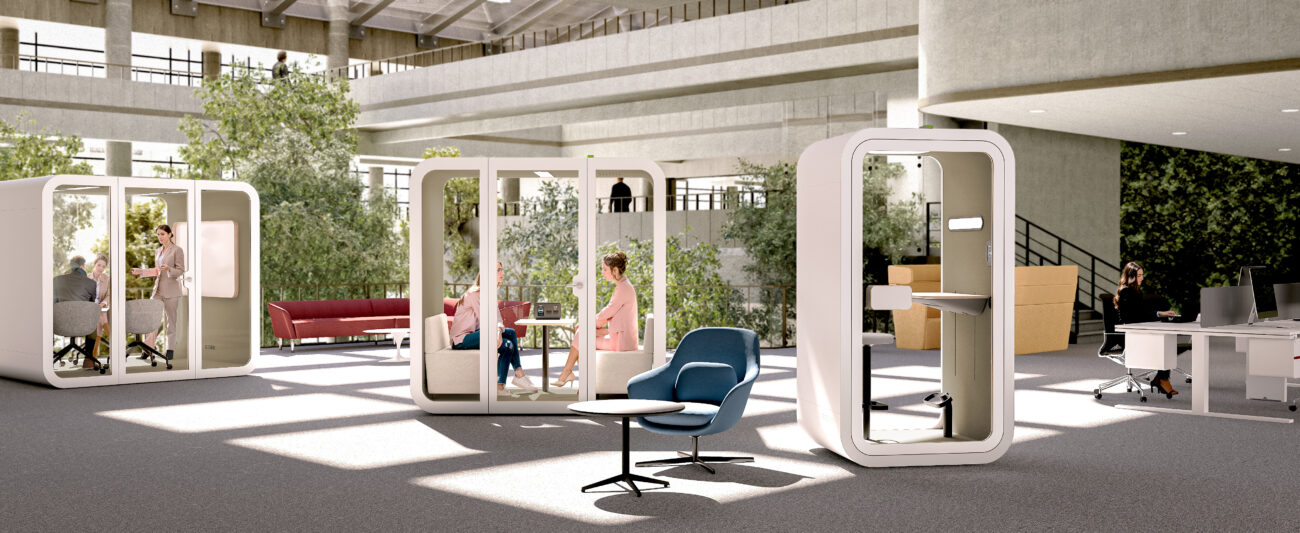
Open-plan layouts are a popular choice for many modern workplaces. To address their limitations, employers can adopt hybrid office designs that combine the benefits of open spaces with the privacy of cubicles. Solutions like soundproof panels, quiet zones, or dedicated focus areas allow employees to concentrate when needed. This approach provides the best of both worlds, balancing collaboration and interaction with privacy and productivity.
Future Trends in Office Furniture Design
The future of office design is shaping up to be flexible and highly customizable. Offices will feature dynamic spaces that can be easily reconfigured to meet changing needs. Advanced technology, including smart furniture and AI enabled workspaces, will further enhance functionality. The focus will be on creating environments that support both individual productivity and collaboration, balancing comfort, efficiency, and innovation.
The evolution of office design from cubicles to open layouts reflects the changes that have taken place in our understanding of work and productivity. The change has been gradual, accommodating all the individual needs of various industries, employers, etc. By combining the best of what these two plans offer, offices can create spaces that meet their special needs.