

Blog
How a Standing Desk Promotes Health and Workplace Energy
How a Standing Desk Promotes Health and Workplace Energy
A Standing Desk has become one of the most convenient ways to improve both health and productivity. We sit most of our time, and do not realize the amount of strain it places on the body. This is where the sit-stand desk can make a difference. It helps to keep your body active, your mind alert, and your day more comfortable. In this article, we see how standing desk can help you remain healthier and boost your workplace energy.
What Is a Standing Desk?
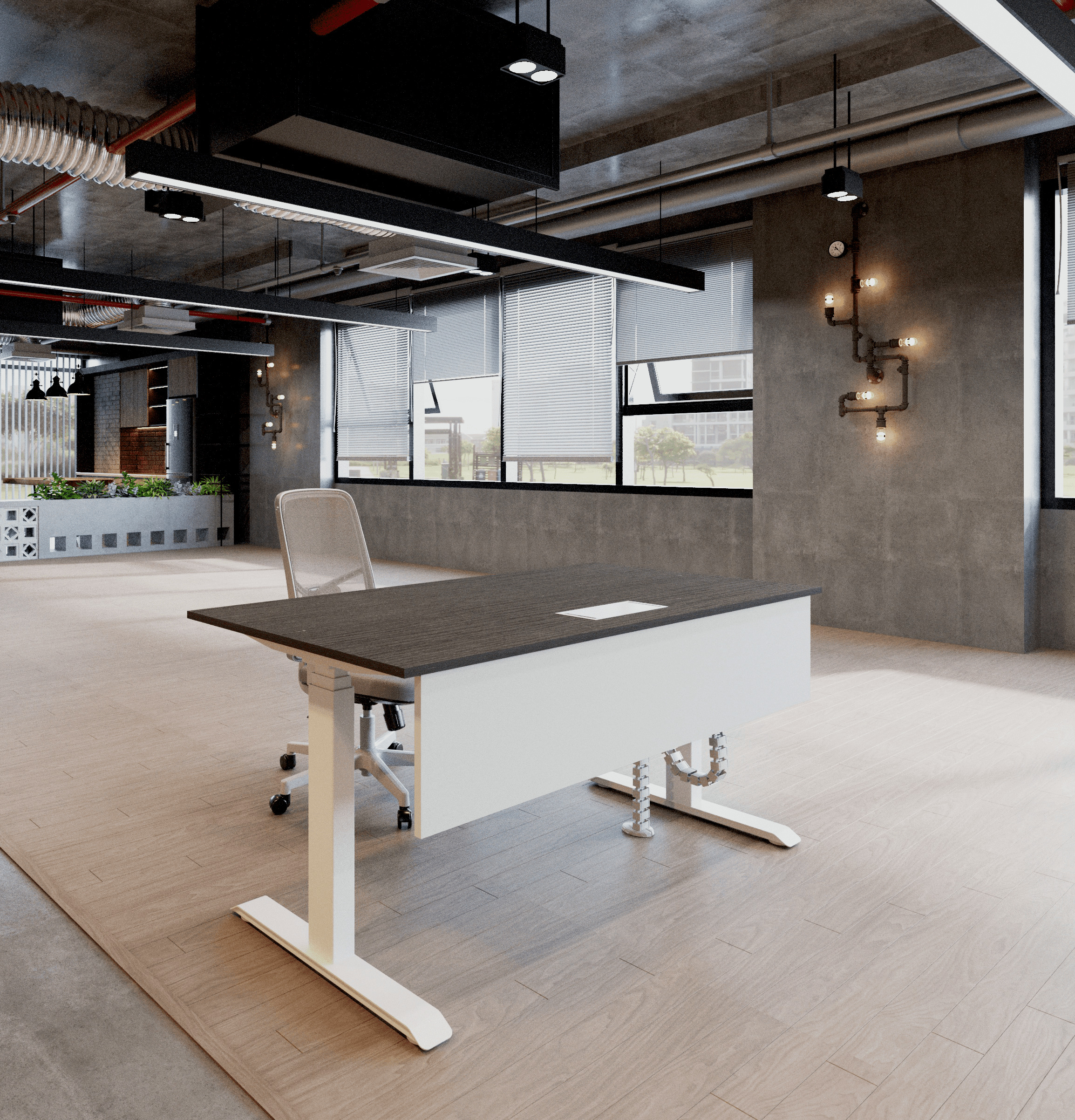
A standing desk is a table that allows one to stand instead of sit down. Certain desks remain with the same height, and others are able to rise and fall. The adjustable ones are more used since you can sit and stand all day long. These tables have various shapes also. Research indicates that the use of standing desks significantly reduces sedentary time at work and is associated with lower levels of upper back and neck pain, as well as improved mood, contributing to enhanced overall employee well-being and daily energy levels.
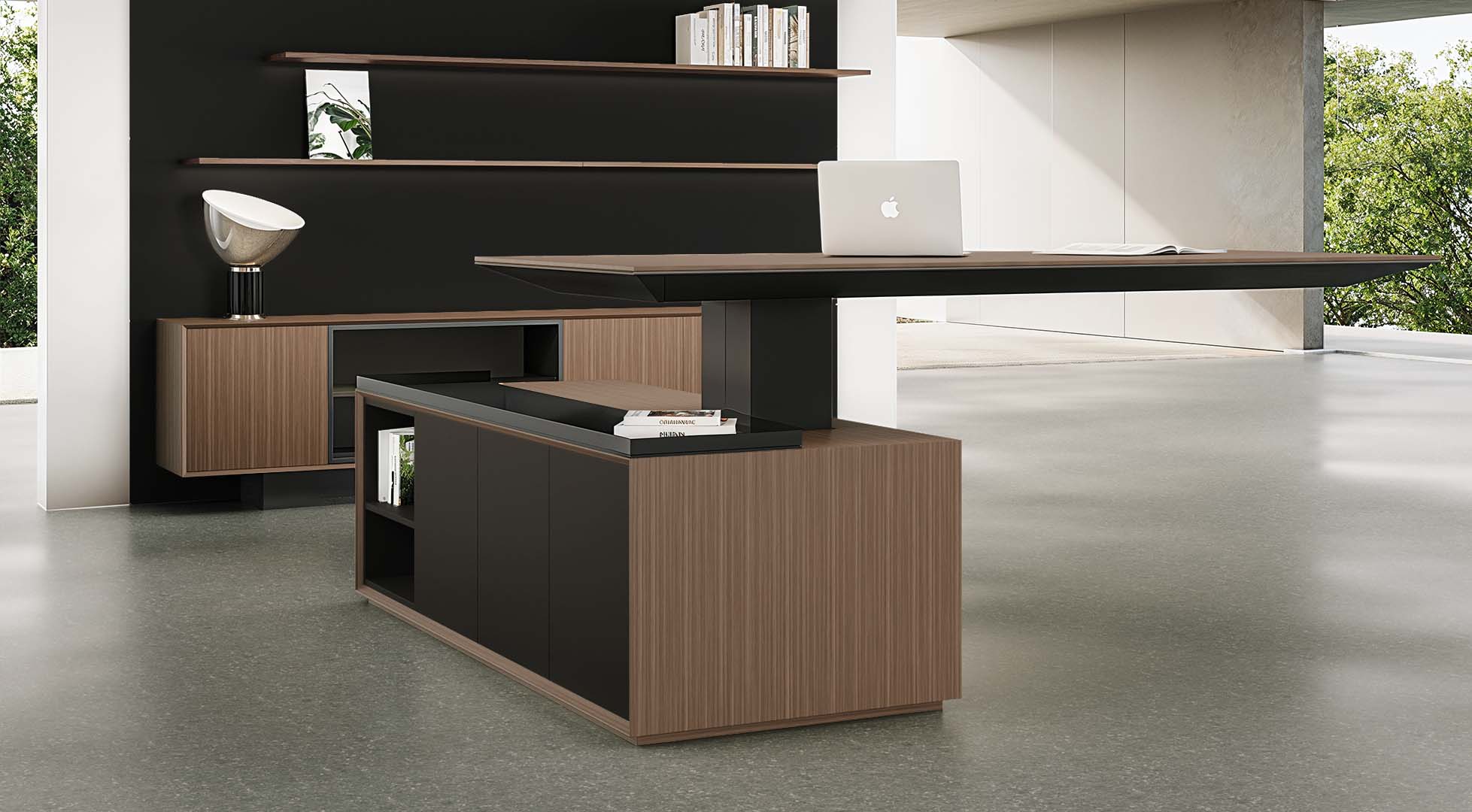
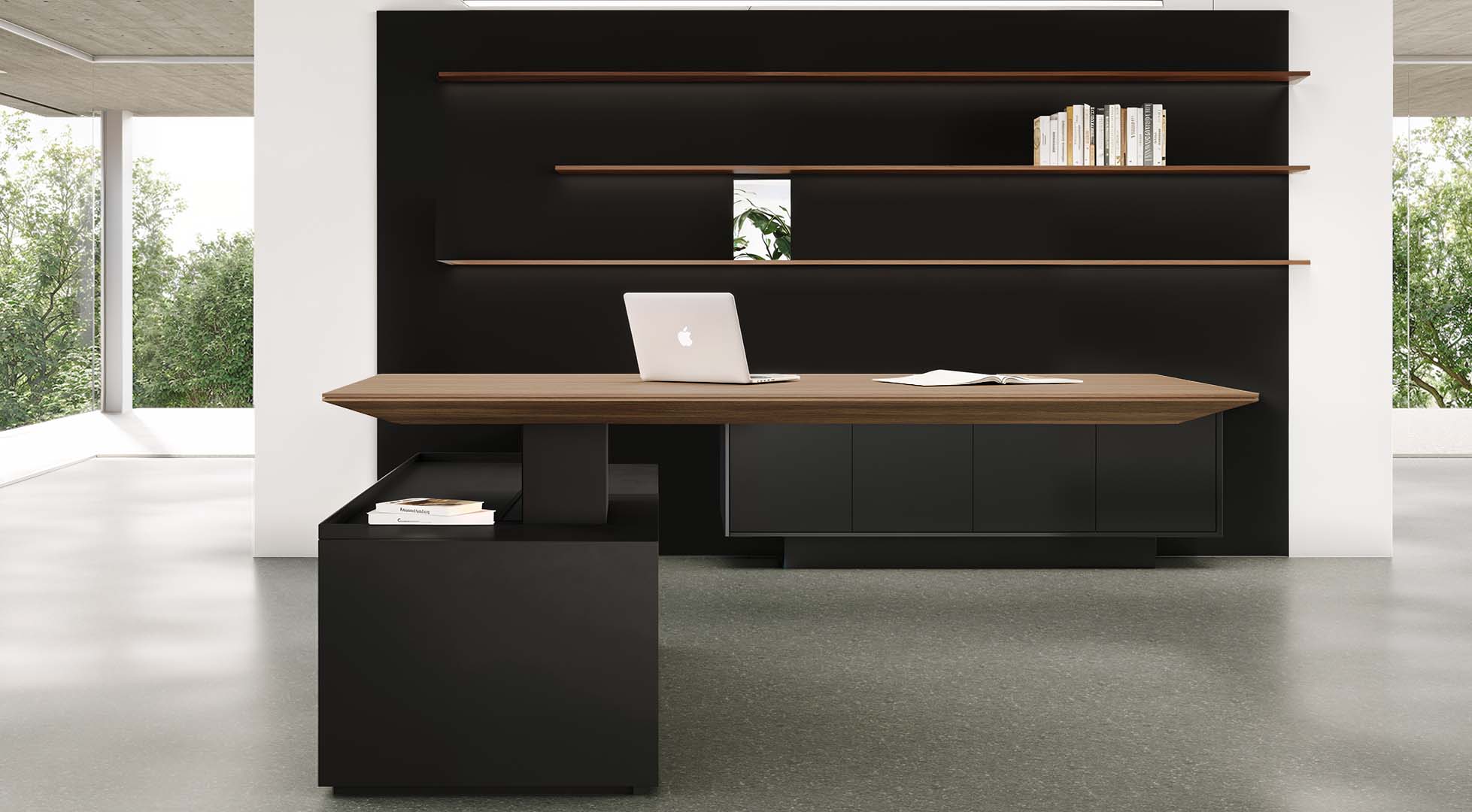
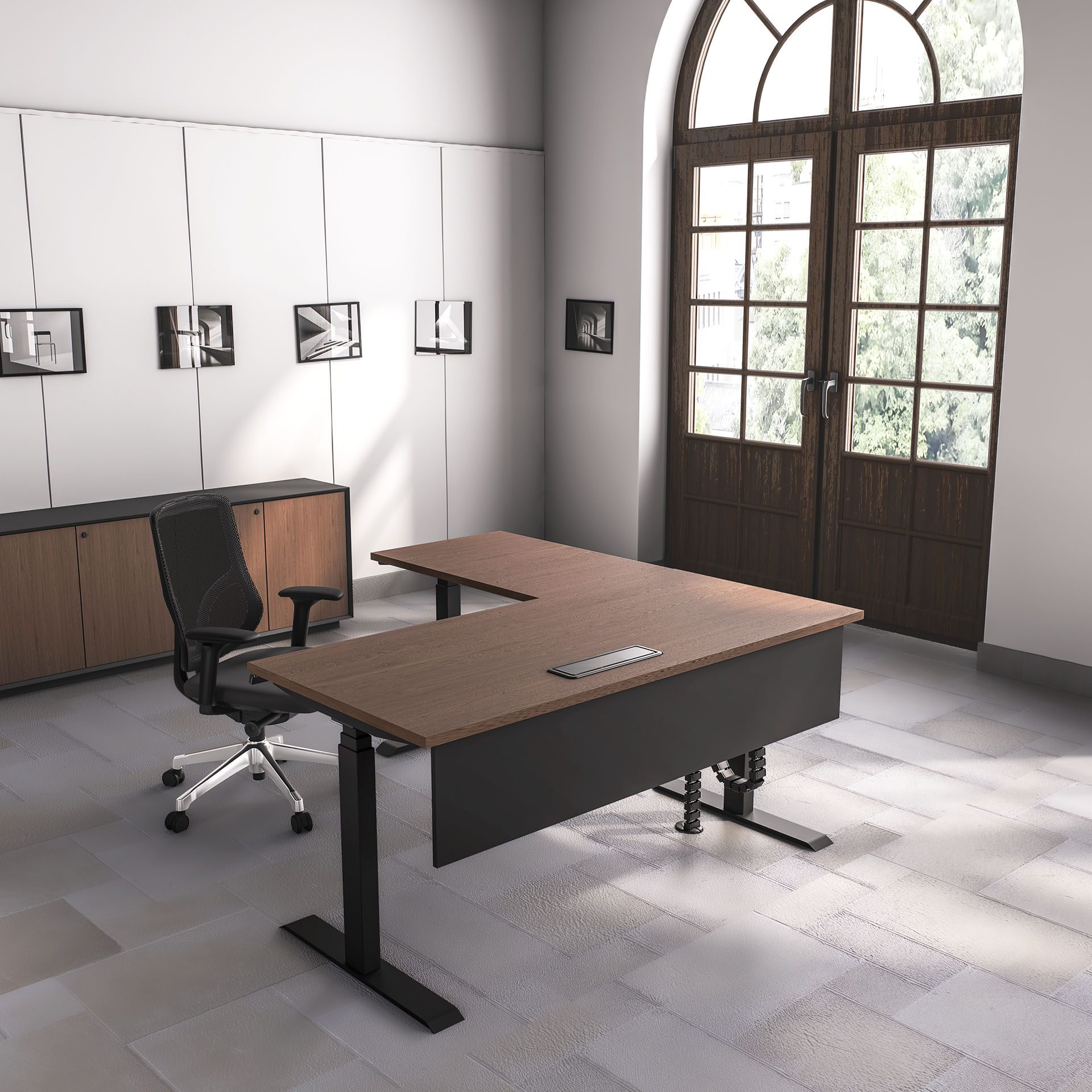
For example, a rectangular desk fits in small spaces whereas, an L-shaped desk provides an additional space that may be used to place a screen or papers. Regardless of the kind of it, the aim is similar; provide your body with a healthier working position and be sure that you don’t spend a lot of time sitting.
The Health Risks of Sitting All Day
The long-sitting is more harmful to the body than we imagine. Muscles in the back and neck become tight when you sit hours. Gradually your stance stooped. In the long-term, it causes stiffness and pain. Prolonged sitting also decreases the flow of blood, and thus makes you sleepy and mentally dull.
Research shows that one who sits over 7-8 hours a day increases the chances of gaining weight and other long-term health problems. This is faced by many office workers as they have to spend long durations in one office position. The other problem is low energy. The brain will be receiving less oxygen when the body is at rest. That’s the reason why a lot of people crash during the afternoon.
Health Benefits of Using a Standing Desk
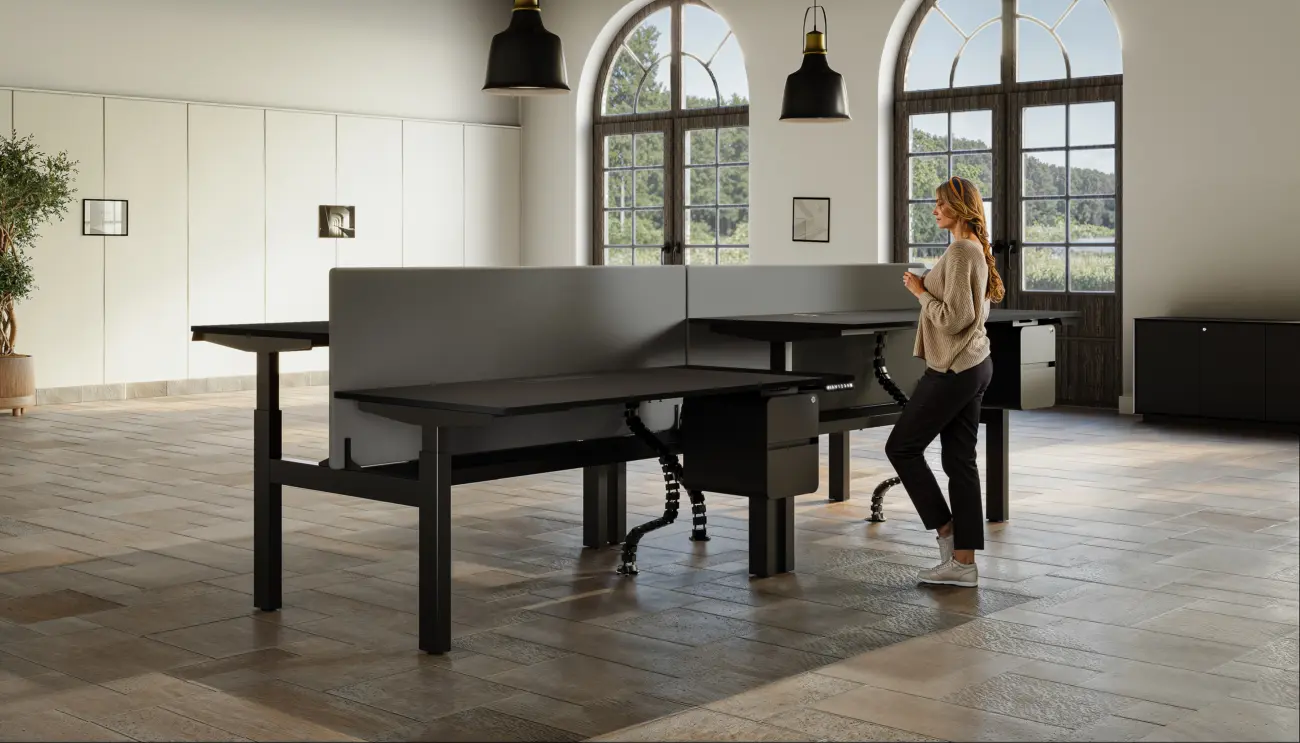
Using a sit-stand desk will put your body back in a more natural position, where your back stays straighter, and your shoulders being open. The muscles in your core are active with no effort. Here’s the reasons why it’s good for your health:
- Relieves the lower back pressure.
- A significant number of users indicate that they get 32% less back pain when they change to height-adjustable arrangements.
- A 2X height adjustable desk provides better controllability to individuals who alternate positions frequently.
- Effective blood circulation since your body does little natural movements.
- Prevents rigidity due to prolonged working hours.
Breathing is also deeper and easier upon a stand. This increases the supply of oxygen to your brain thus enhancing concentration and keeping your mind fresh. These small transformations in the long run contribute to the formation of healthier work habits.
Read Also: The Role of Office Furniture in Boosting Productivity and Employee Well-being
How Standing Desks Boost Workplace Energy
Among the biggest benefits of a standing desk is the increases in energy levels. Your body remains alert and awake when you stand, and this of course helps to increase your focus. There are some observable changes which are:
- Tasks feel lighter and quicker.
- You are more attentive at meetings.
- Your mood improves because your body is active.
- The afternoon “post-lunch crash” is less evident.
- Most employees are more innovative and come up with ideas quicker when standing.
The team work also improves in modern offices which have flexible office desks and collaborative furniture. Because individuals interact with each other more as they move around during the day.
Tips for Using a Standing Desk the Right Way
It’s not the target to stand all day. Alternating between sitting and standing at frequent intervals is the most appropriate way. You can follow a simple rule; sit for 30 minutes, stand for 30 minutes.
- Keep your screen at eye level.
- Your elbows must be at 90 degree angle.
- Try not to lean forward.
- Wear supportive shoes.
- Use an anti-fatigue mat where possible.
- Take short walking breaks. A walk as short as one minute will be able to clear your mind.
These habits are little but can make you experience the maximum of the benefits of having a standing desk. It’s also important to furnish your workplace with accommodating furniture such as an ergonomic chair which helps you to keep comfortable in any position you switch to.
Choosing the Right Standing Desk
Choosing the right standing desk depends on how your team works and the type of environment you want to build. There are offices that like simple manual options, while others choose advanced systems such as an electric height adjustable desk to facilitate smooth transition. The primary aim is to choose a desk that will be comfortable and will promote movement, as well as, fit the routine of everyday work.
After sitting all day, one can become tired or restless. That’s why at Urban 411, we designed our standing desks to make your day easier. They have a quiet dual-motor system; therefore, you can change between sitting and standing smoothly, and they’re designed using robust and high-quality materials, which last for years. It’s a movable desk that follows you everywhere and keeps up with everything you do.
FAQs
1. How long should I stand while using a standing desk?
It’s best to switch between sitting and standing every 30–45 minutes to avoid stiffness and stay comfortable throughout the day.
2. Does a standing desk really help with back pain?
Yes. Standing reduces pressure on the lower back and encourages better posture, which can ease discomfort caused by long hours of sitting.
3. Do standing desks improve productivity?
Many users report better focus and higher energy because movement keeps the body active and prevents mid-day fatigue.
4. Can a standing desk work in small office spaces?
Absolutely. Modern models come in compact sizes and adjustable designs that fit easily into small workstations or home offices.