

Blog
Strategic Plan for Height Adjustable Desks and Workspace Adaptability
Strategic Plan for Height Adjustable Desks and Workspace Adaptability
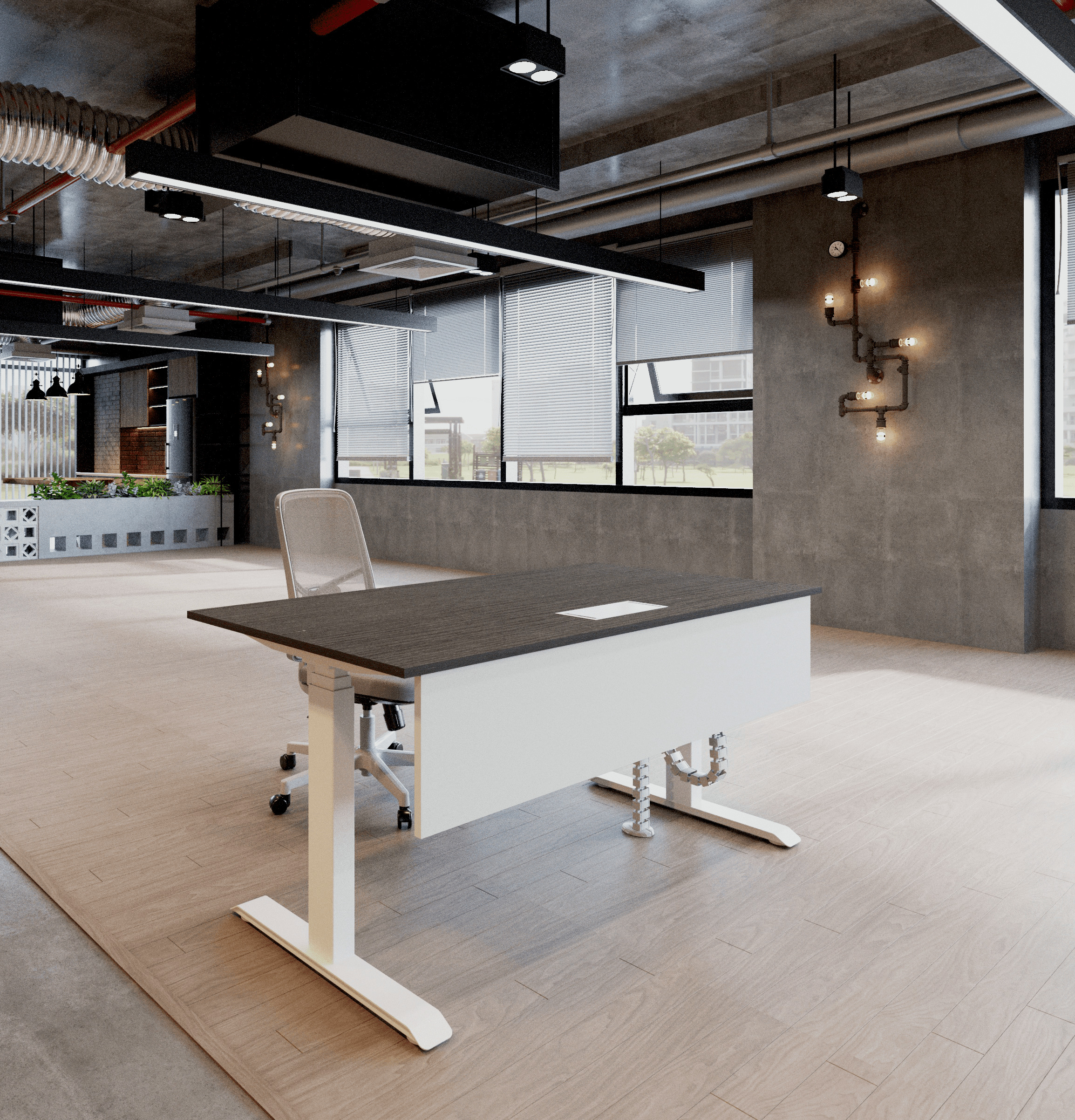
As firms adapt to changing work patterns and team configurations, the design of workplaces is moving toward more flexibility and adaptation. Offices are no longer places where desks are always in the same place. They are becoming dynamic spaces, often featuring height-adjustable desks, that accommodate different tasks, users, and workflows all day long.
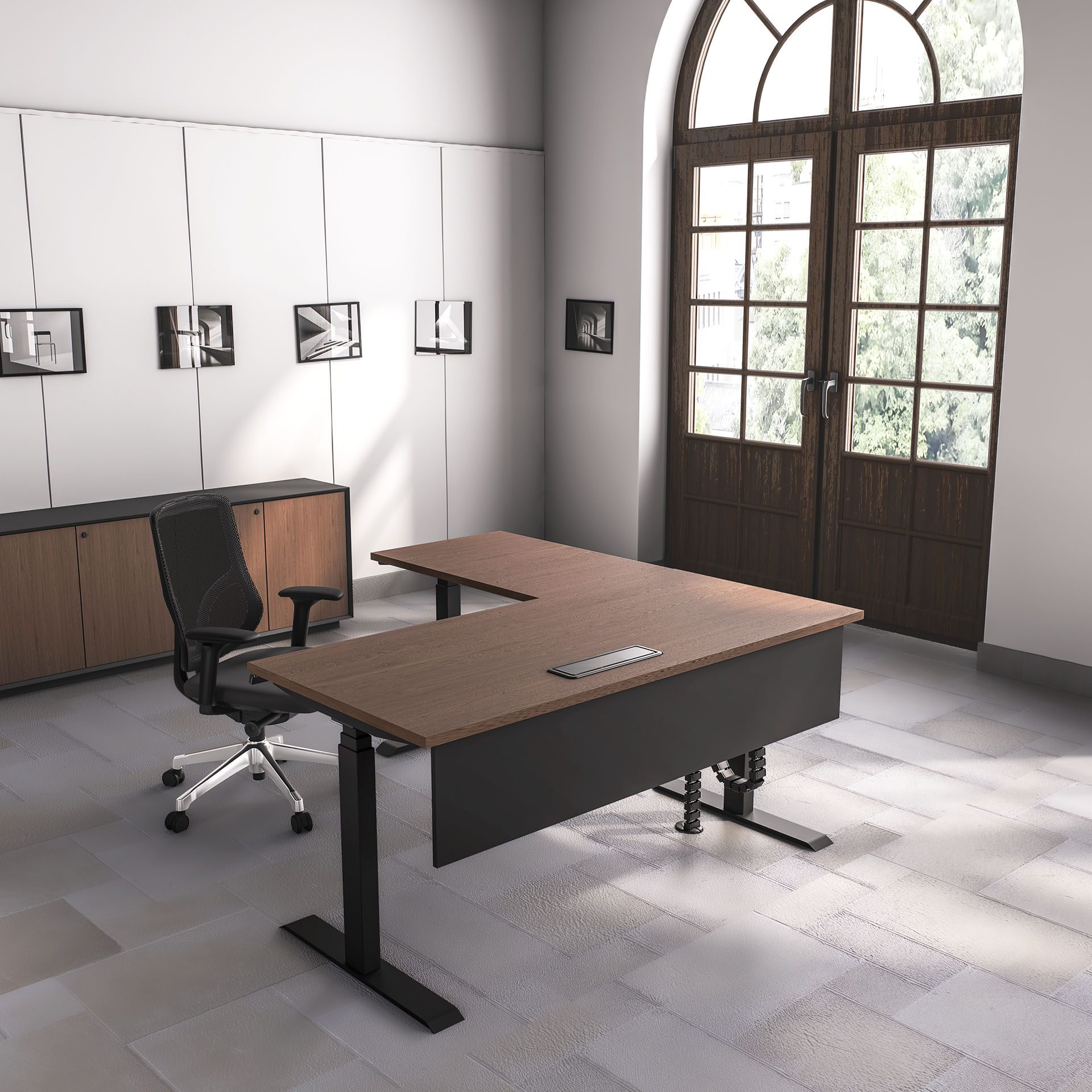
In this setting, desks that may be raised or lowered have become an important part of flexible workplace design. These desks do more than just make people comfortable they let workstations change based on the demands of the person, the team, and the workplace strategy.
Organizations may make offices that stay functional and effective as their demands change by learning how flexible desks let workspaces adapt.
The Shift Toward Adaptable Workspaces
Modern offices are made to support several ways of working, such as focused work, working with others, and hybrid working. For this alteration to work, furniture needs to be able to change fast without having to replace the whole arrangement.
Height-adjustable workstations support this method since they let one workstation be used by various people for different tasks. Instead of giving workers fixed arrangements, companies can make workspaces that are flexible, with desks that can be moved around to fit different duties and preferences.
This flexibility to change is especially crucial in offices where space needs to be used well and teams may change often.
Supporting Multi User Workstations
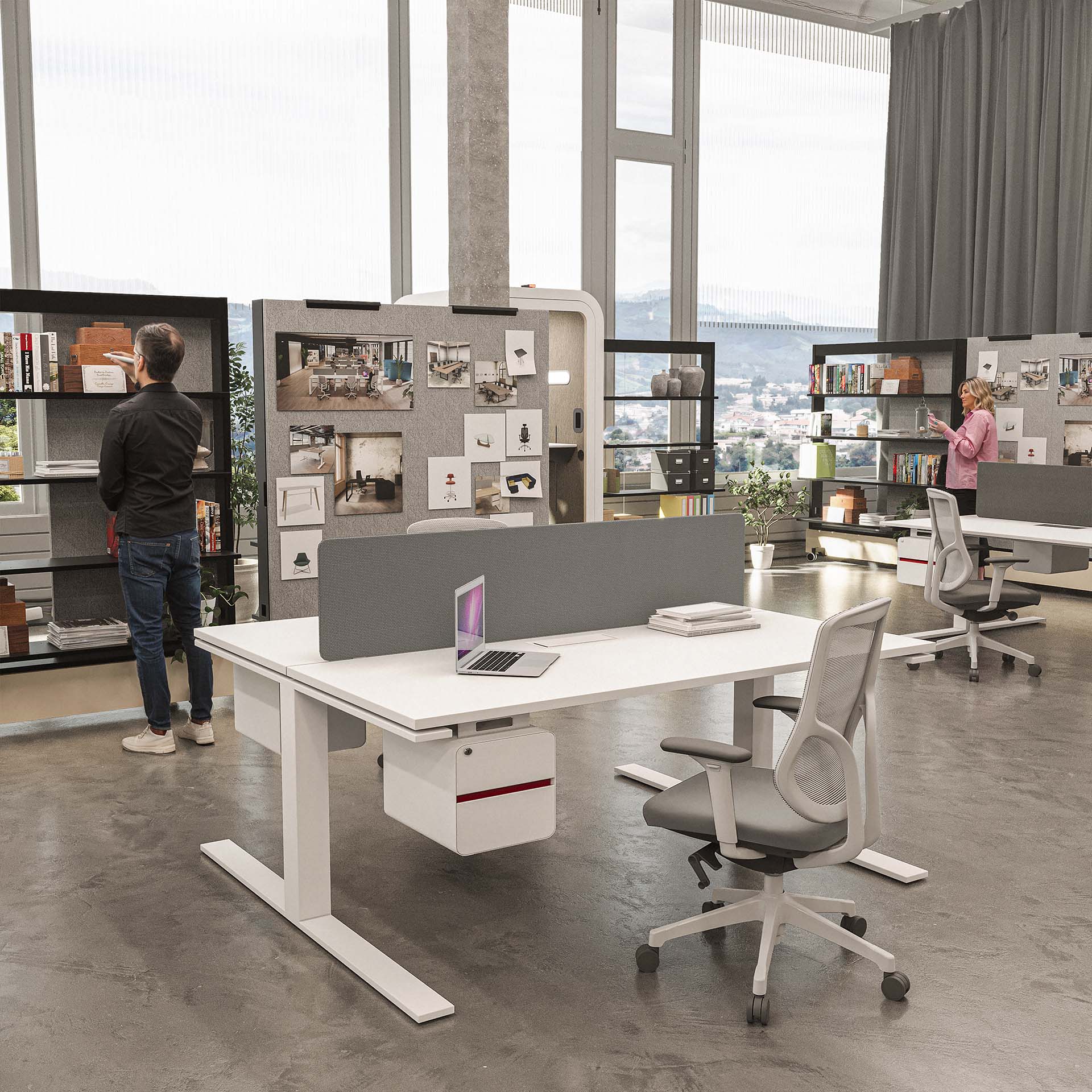
In many organizations, desks are no longer assigned to a single employee. Shared workstations are becoming more common, especially in hybrid work environments.
Height adjustable desks allow multiple users to adjust the desk height according to their individual needs. This ensures that each employee can work comfortably without requiring a completely separate setup.
The ability to quickly adapt a workstation for different users improves efficiency and supports smoother transitions between shifts or team members using the same space.
Enhancing Layout Flexibility
Office layouts often need to evolve as businesses grow or restructure teams. Traditional fixed desks can limit how easily an office can be reorganized.
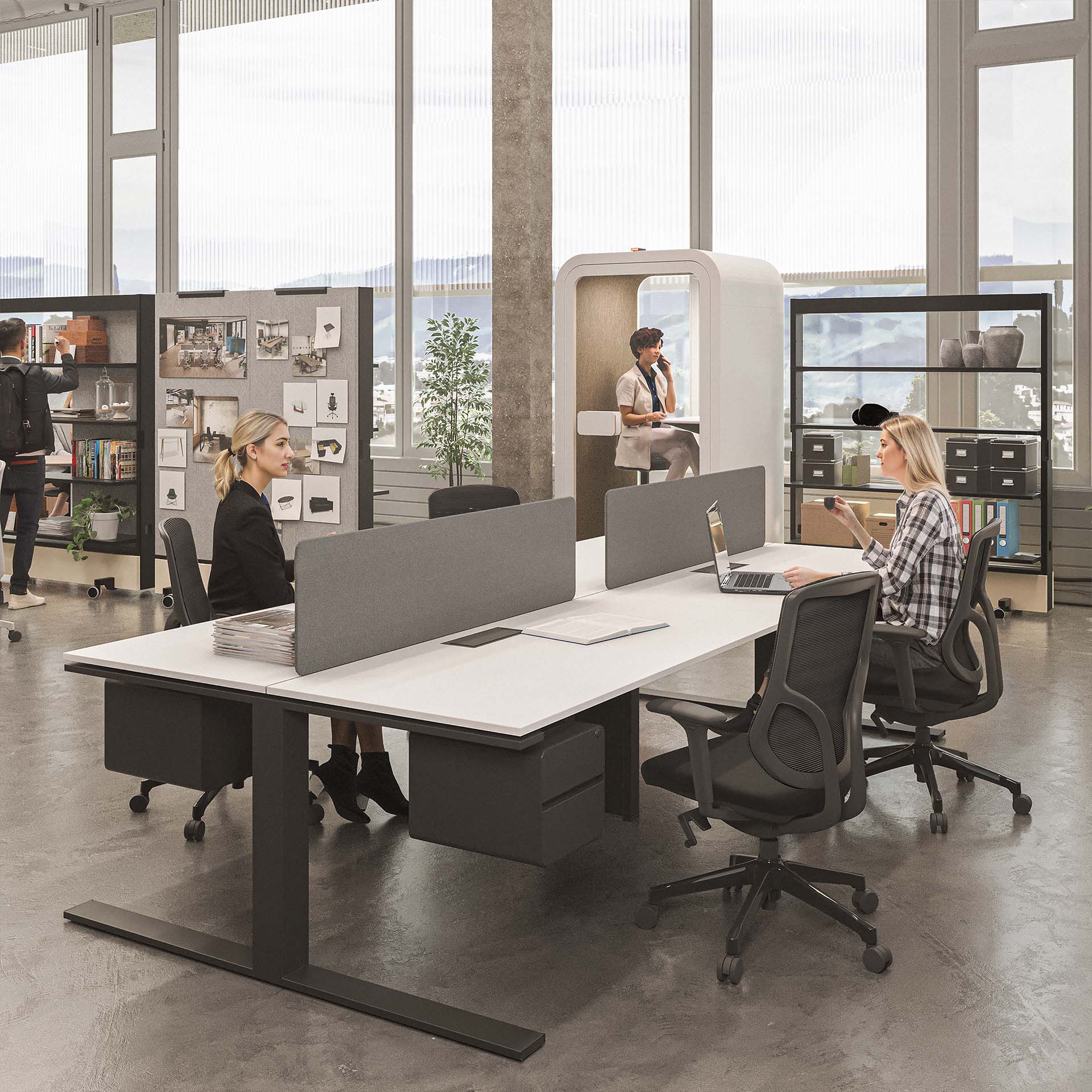
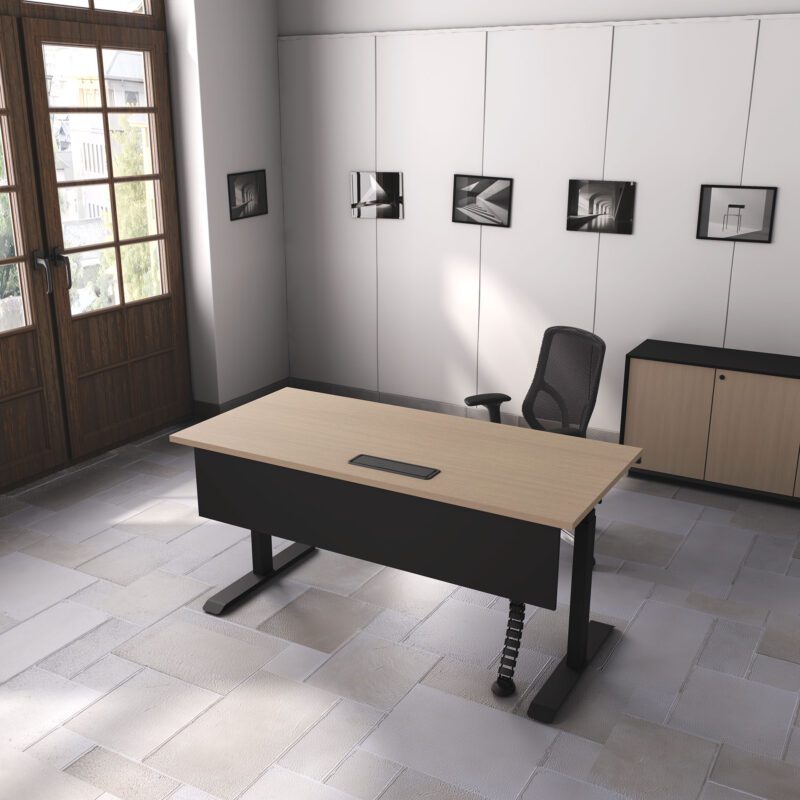
Height adjustable desks offer greater flexibility because they can be integrated into different workstation configurations without compromising usability. Whether the layout changes from individual desks to collaborative clusters or vice versa, adjustable desks continue to function effectively.
This flexibility reduces the need for frequent furniture replacements and allows businesses to adapt their office environment without significant disruption.
Supporting Activity-Based Working
Activity based working allows employees to choose their workspace based on the task they need to complete. For example, they may use different areas for focused work, collaboration, or informal discussions.
In this context, height-adjustable desks support this approach by accommodating a range of working styles. Employees can adjust the desk to suit their task, whether they need a more active position or a traditional seated setup.
Moreover, organizations such as the Leesman Index emphasize that flexible work environments improve employee engagement and overall workplace satisfaction.
Similarly, insights from Deloitte highlight that adaptable workplace strategies are becoming essential for modern organizations managing diverse and evolving teams.
Integration with Smart Office Design
Height adjustable desks are often part of a broader smart office strategy. These desks can be combined with digital tools, space planning systems, and modular furniture to create highly responsive work environments.
In smart offices, workstations are designed to adjust not only physically but also functionally. Adjustable desks contribute to this by providing a foundation that supports various workspace configurations and user needs.
This integration allows businesses to create offices that are not only flexible but also future-ready.
Long-Term Value of Adaptable Workstations
Investing in adaptable furniture solutions provides long-term value for businesses. Height adjustable desks can support changing workplace trends without requiring frequent redesigns.
As organizations continue to adopt hybrid work models and flexible office strategies, adaptable workstations ensure that office spaces remain relevant and functional over time.
This reduces the need for constant upgrades and helps maintain a consistent and efficient work environment.
FAQs About Height Adjustable Desks
They let workstations change to fit different users and tasks, which makes it easier to make offices that are flexible and can be used for many things.
Yes. They are great for shared workstations since users can easily change the height of the desk to fit their needs.
Activity-based working is a way to set up a workplace so that workers can pick where to work based on what they need to do, like concentrating or working with others.
Yes. They make it easier to change layouts and support teams that change without having to redo everything.
Height Adjustable Desks by Urban 411
At Urban 411 Office Furniture, we design and supply modern height adjustable desks that support adaptable and future-ready workspaces. Our workstation solutions are developed to align with evolving office strategies, helping businesses create flexible environments that can respond to changing needs.
By focusing on functionality and smart workspace design, Urban 411 helps organizations build offices that remain efficient, adaptable, and prepared for modern work demands.
Conclusion
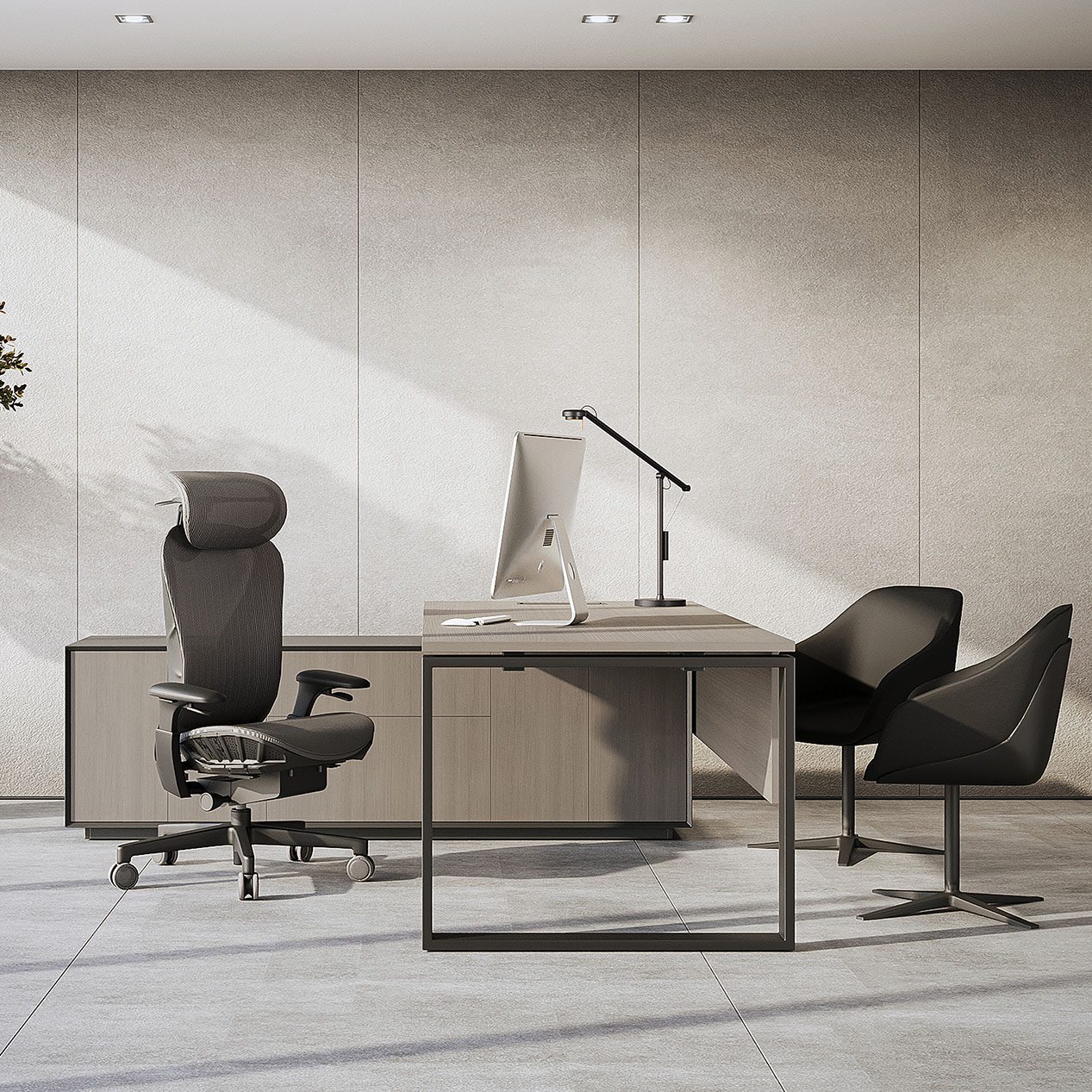
Urban 411 Office Furniture integrates height adjustable desks into complete workstation systems. These desks work alongside office workstations and office chairs to create structured environments that support organized and efficient daily operations.