

Blog
What’s the Difference Between Executive and Standard Office Furniture?
What’s the Difference Between Executive and Standard Office Furniture?
Many businesses underestimate the impact office furniture has on creating a productive and professional workspace. It’s not just about providing seating or storage desks, chairs, and organizational solutions directly influence employee comfort, efficiency, and overall performance. The right setup can improve workflow and help tasks get completed more effectively, while also shaping how visitors perceive your brand from the moment they walk in.
When selecting office furniture, companies often face an important decision, should they invest in executive furniture or opt for standard office options? While both serve essential functional purposes, they differ significantly in design, materials, durability, functionality, and cost. Understanding these key differences is crucial to choosing the solution that aligns with your workspace requirements, budget, and brand image.
Design and Aesthetics
Style and Presence
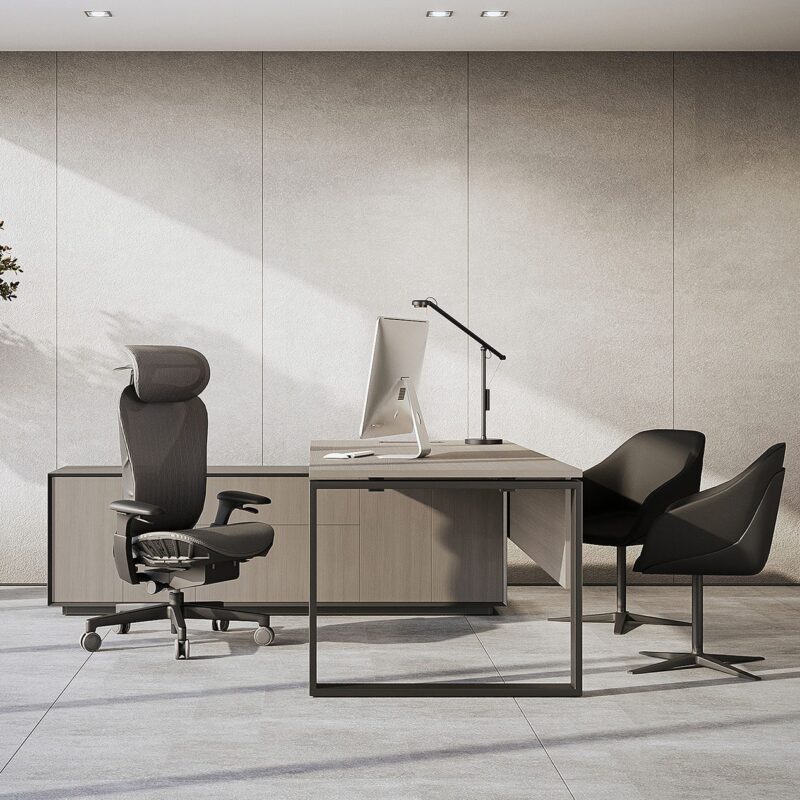
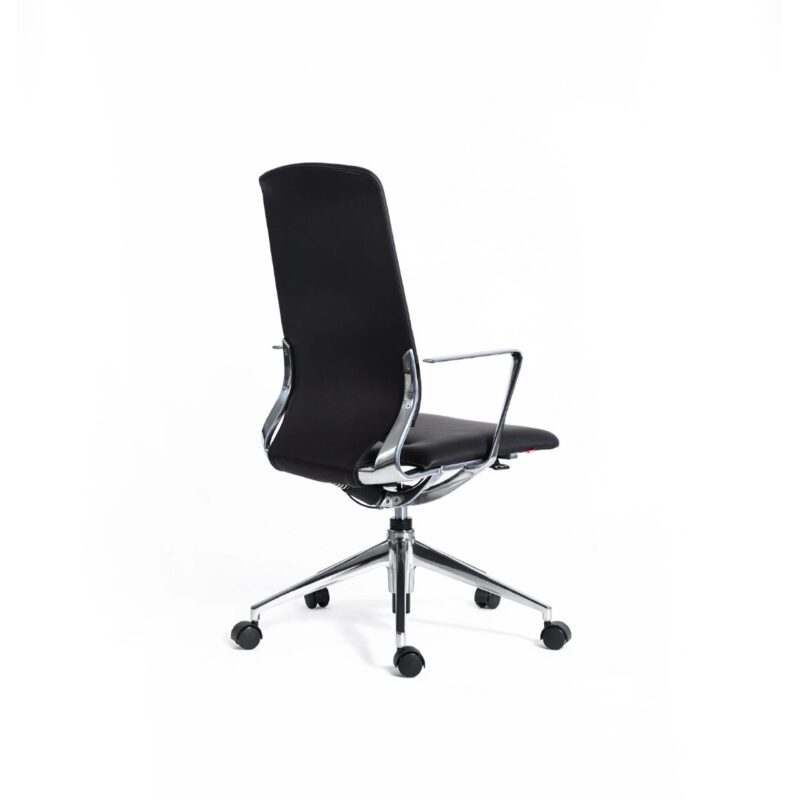
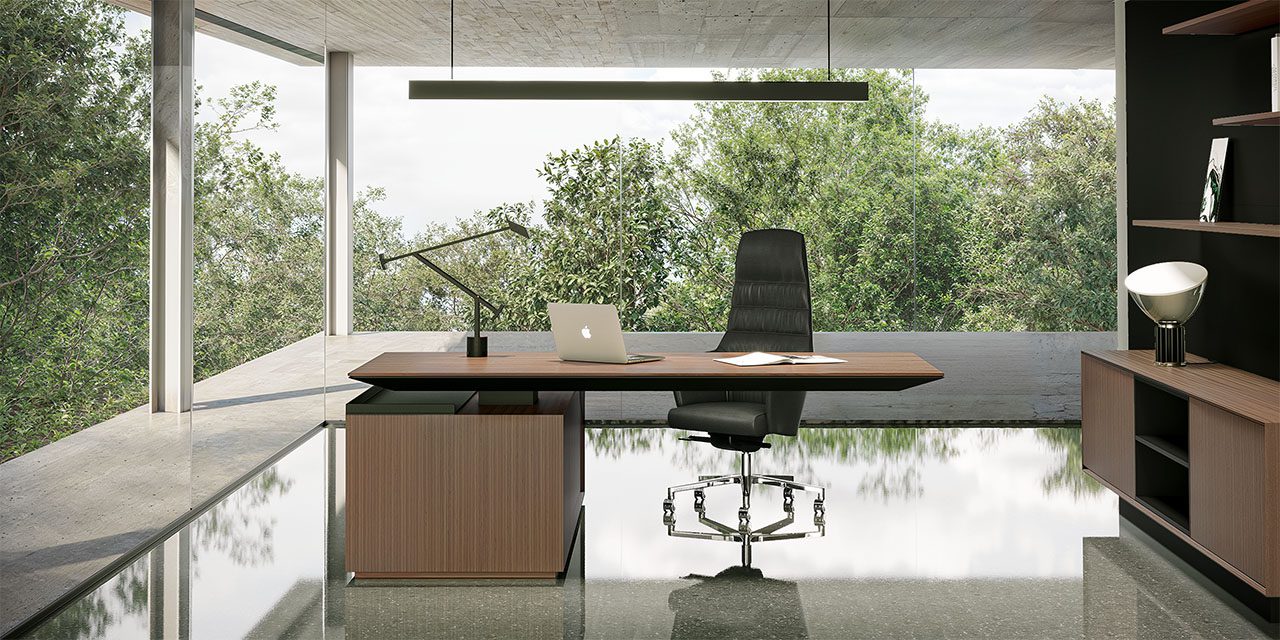
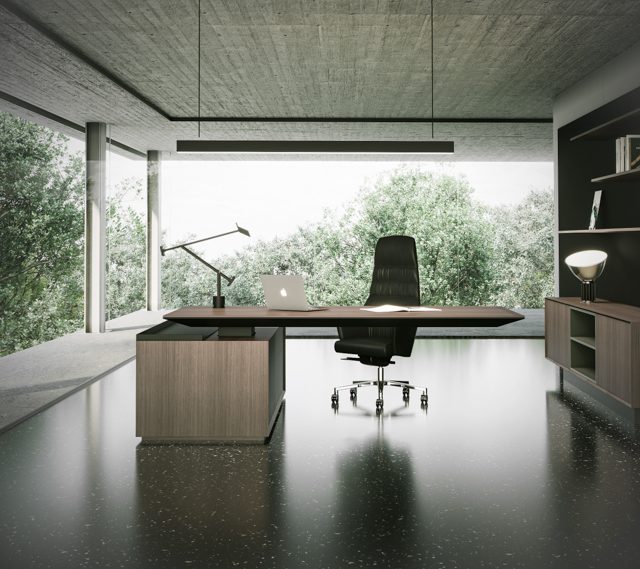
Executive furniture really grabs your eye right away. Those big desks with that shiny polish on them. Or a leather chair that towers over everything. It all screams authority without even trying. Standard furniture, though, is more about getting the job done. Workstations that fit just right. Modular desks you can tweak as needed. They’re uniform and neat, super compact too. Practical in every way, but they don’t exactly dominate the room.
Customization and Variety
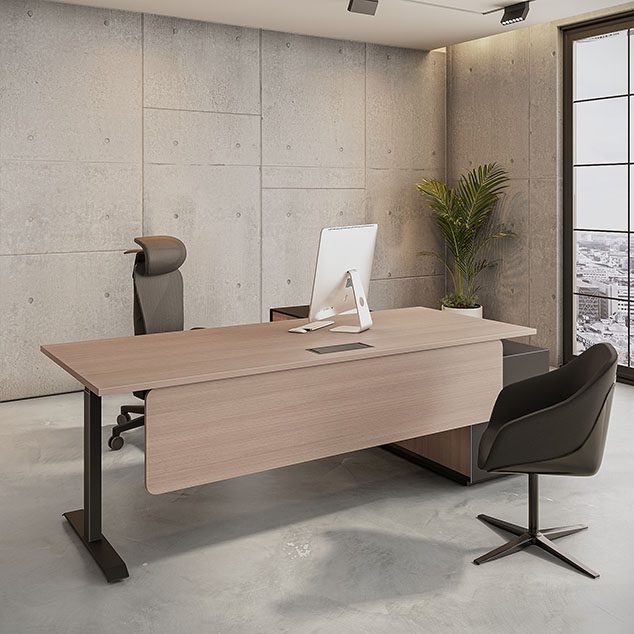
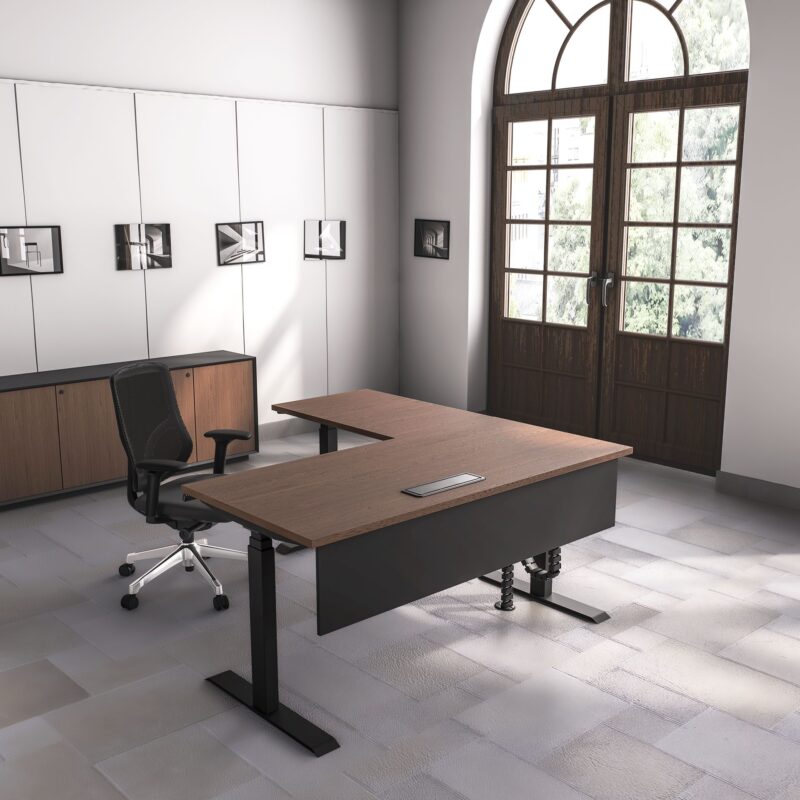
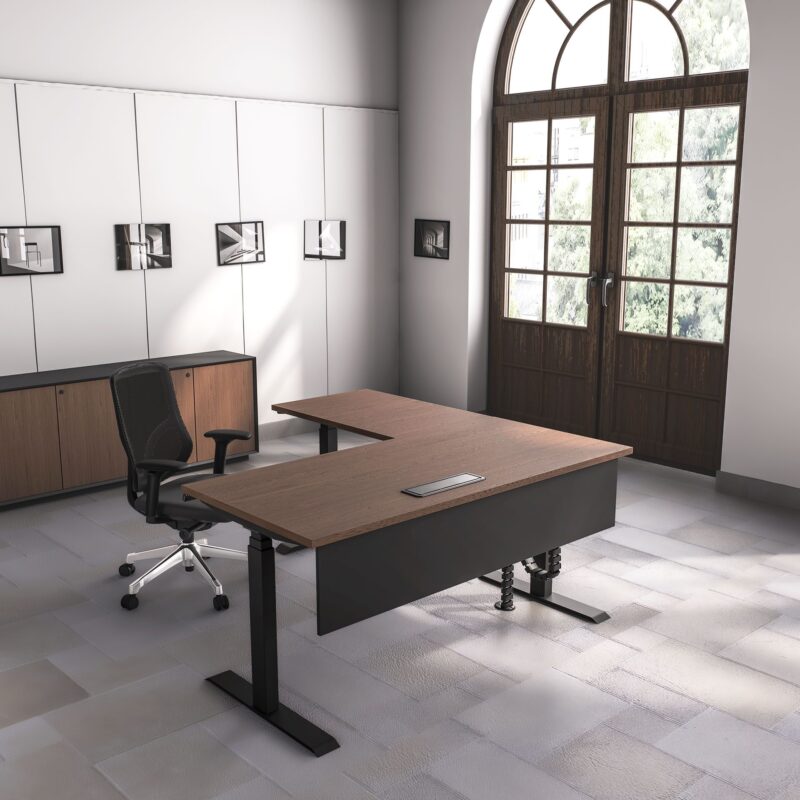
Executive furniture, such as L-shaped desks or U-shaped ones, often involves a lot of customization. The craftsmanship gets really detailed. These pieces are designed to show off that leadership vibe. Standard office furniture, though, goes for uniformity and scalability instead. It has fewer style options but integrates easily into those open-plan setups.
Materials and Craftsmanship
Material Quality
Executive furniture mainly covers solid woods, veneers, leather and polished metals. That setup makes them look really luxurious. Plus, they hold up for decades without much trouble. Standard furniture, though, is all about laminate and particleboard, with some fabric thrown in. It keeps things lighter on the budget, for sure. But yeah, it wears out faster and gets that tear and tear quicker than you’d like.
Craftsmanship Detail
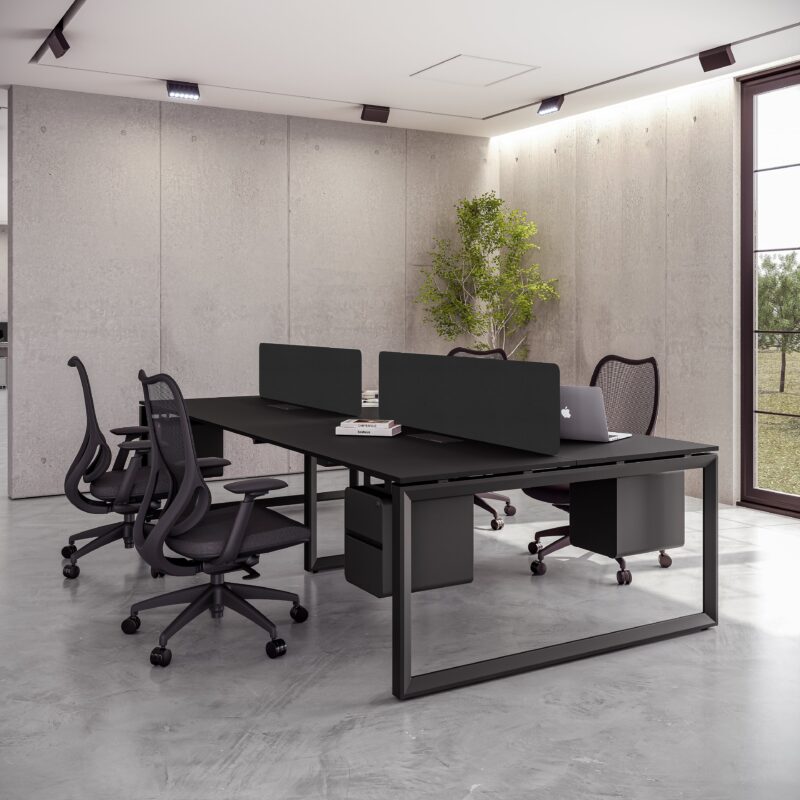
Executive furniture tends to have beveled edges, fancy ornate handles, and even soft-close drawers that make everything feel smoother. They boost the look and how it all works together. Standard furniture, though, is all about holding up over time, especially when making a bunch of it. So designs stay simple, easy to crank out, and swap when needed.
Functionality and Ergonomics
Features and Storage
Executive furniture has these advanced features built right in. Things like storage compartments, cable management, and even some hidden spots. It really cuts down on clutter. Makes the whole workspace feel more streamlined. A good executive desk often comes with side credenzas or those return units attached. Standard furniture, though. It just sticks to the basics: modular storage cabinets. Simple shelving that handles everyday needs. No fancy extras or anything.
Ergonomic Support
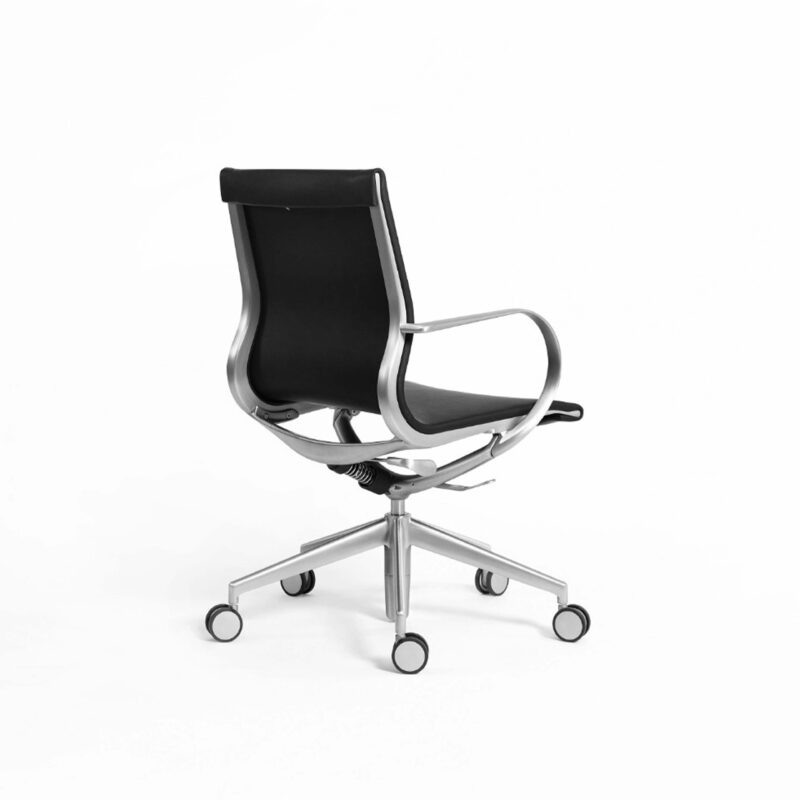
Executive chairs handle long workdays well. They come with lumbar adjustments, headrests, and premium cushioning, which makes a difference after work hours. Standard task chairs aim for comfort, too. But they keep it basic, just height and tilt tweaks, not much fancy like the customization in the executive ones. Sit-stand desks appear in offices these days, suitable for alternating between sitting and standing.
Cost and Value
Upfront Investment
Executive furniture may cost more initially, but it delivers lasting value through durability, timeless design, and the prestige it brings to a workspace. Crafted from premium materials like solid wood, these workstations can maintain their appeal for decades. Beyond functionality, they create a strong impression on clients and inspire confidence among employees, making them a smart long-term investment.
Practical Affordability
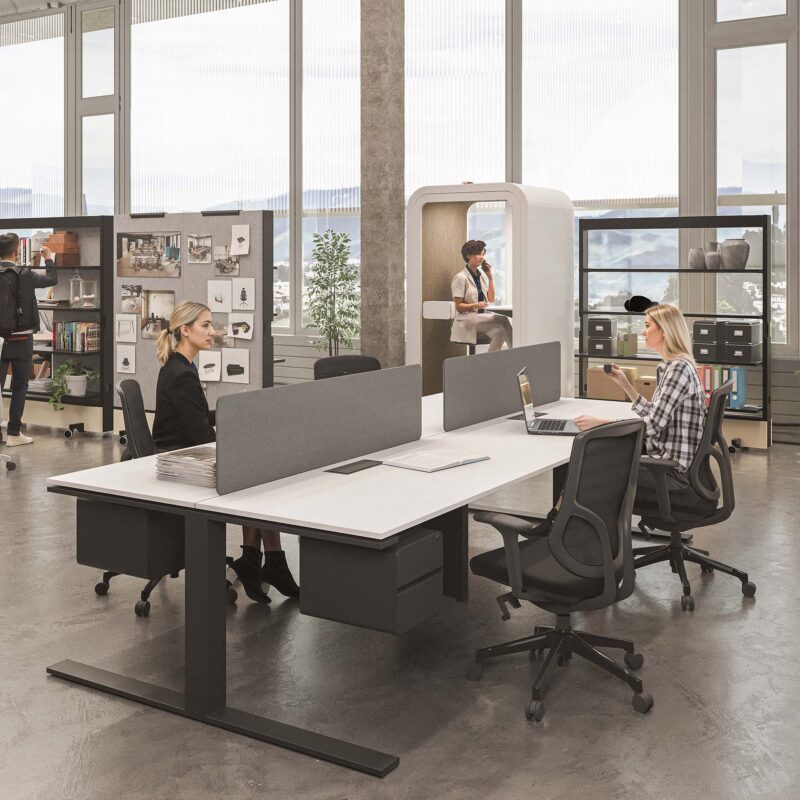
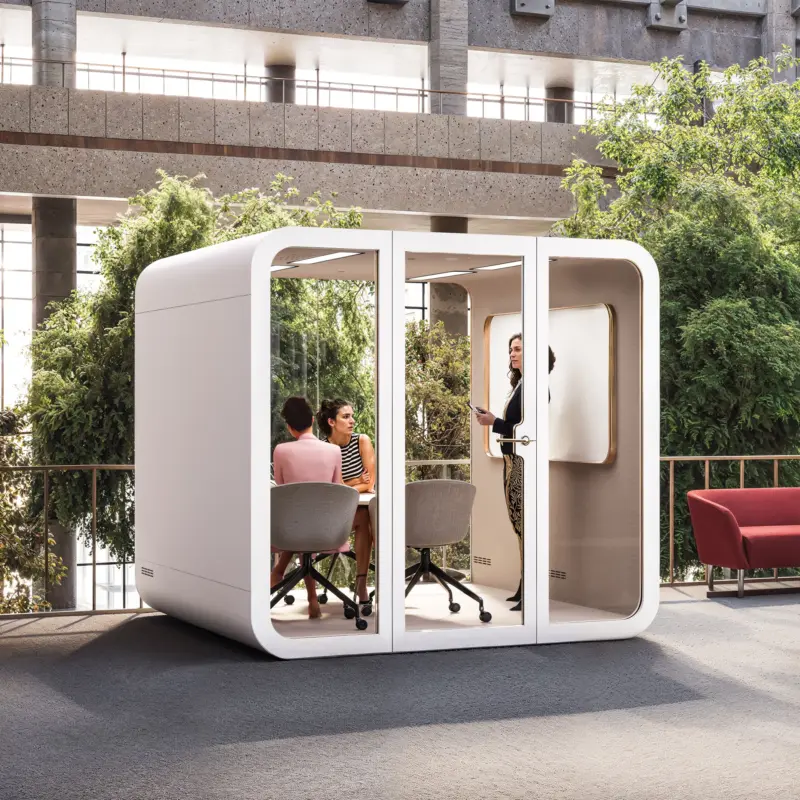
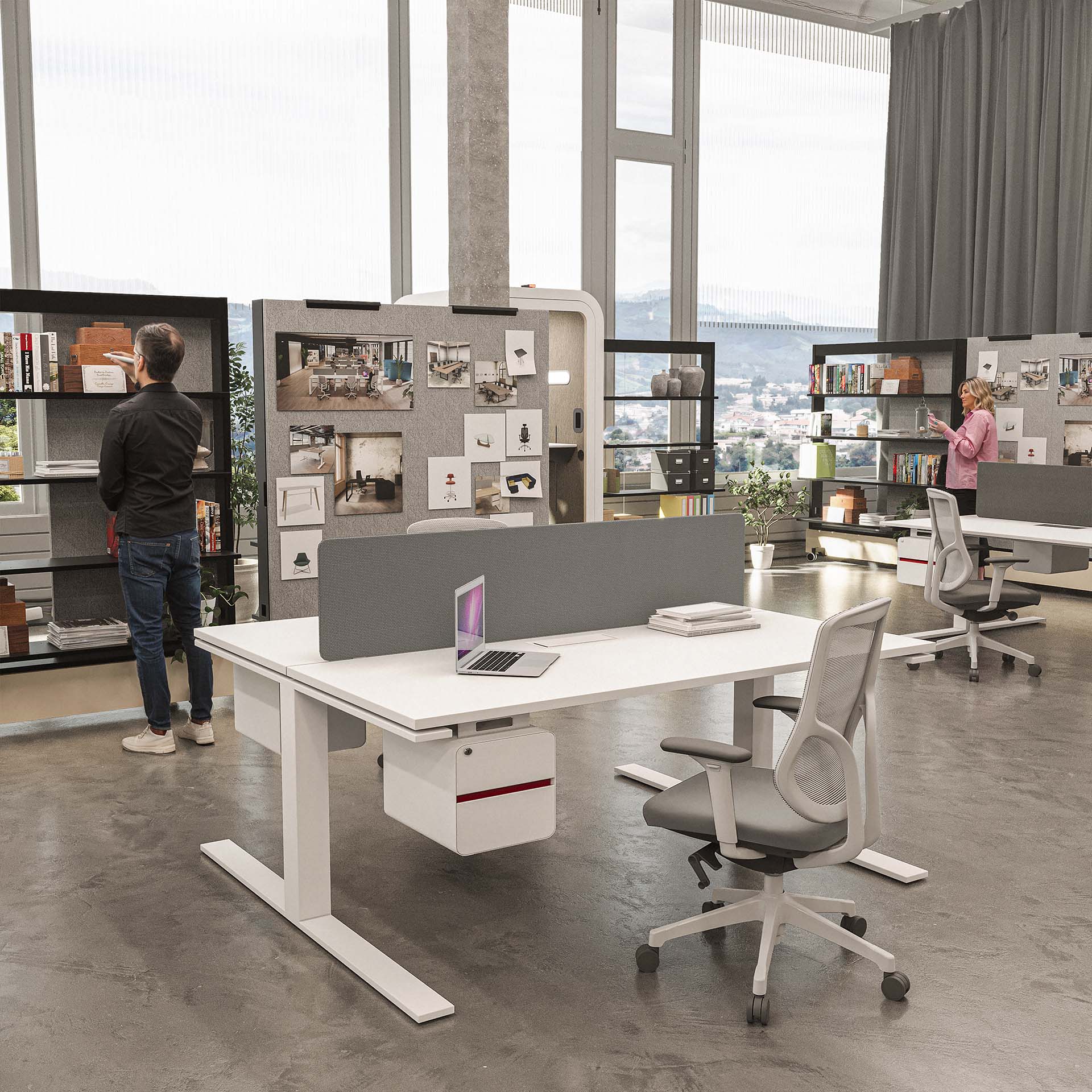
Standard furniture is the smart, cost-saving option for most setups. You can outfit an open office space with uniform workstations, phone pods, and basic task chairs, and businesses scale up fast that way. Standard furniture does not carry the same kind of prestige. Still, it delivers all the functionality you really need. And that comes at a lower price tag, plus way more flexibility overall.
Read Also: How to choose the right office furniture
Choosing the Right Furniture for Your Workplace
Should you choose executive or standard? The answer depends on your goals. Executive furniture is a good investment for distinction, authority, and long-term worth. If price, flexibility, and room for a developing staff are more important, standard furniture is more inventive. Executive desks and ergonomic chairs for leaders and modular workstations, sit-stand desks, or collaborative phone pods for staff are often the finest layout in modern companies. Partnering with a reliable source helps. Good furniture experts don’t force you to choose. Instead, they strike a balance that maintains productivity and your company’s image. Urban 411 helps businesses find prestige-and-practicality solutions. We design inspiring, efficient workplaces.
FAQs
Executive office furniture focuses on prestige, premium materials, and advanced features, while standard furniture prioritizes affordability and functionality.
Yes, executive office furniture offers long-term durability, a professional image, and ergonomic comfort, making it a valuable investment for leadership roles.
Absolutely. Many standard options, such as sit-stand desks and ergonomic task chairs, provide comfort and support while remaining budget-friendly.
Consider your budget, office size, company culture, and goals. Many businesses blend executive desks for leaders with standard workstations for teams.