

Blog
How Often Should Office Chairs Be Replaced in UAE Offices?
Most UAE offices replace chairs too early when the issue is repairable, or keep them too long after the ergonomic support has gone. The right answer depends on chair type, daily usage hours, and how UAE conditions affect the materials.
This guide covers lifespan by chair category, the UAE factors that shorten it, and a clear framework for deciding when to repair versus replace.
How Long Office Chairs Last by Type
‘
Lifespan varies more by specification tier than by brand. UAE offices running eight to ten hour days sit at the higher end of global usage intensity, which compresses these ranges toward the lower figure.
| Chair Type | Average Lifespan | In UAE Conditions |
| Non-ergonomic budget chair | 1-3 years | Closer to 1-2 years in high-use positions |
| Standard mid-range chair | 5-7 years | 4-6 years with 9+ hour daily use |
| Ergonomic chair (BIFMA certified) | 7-10 years | 6-8 years without regular maintenance |
| Mesh chair (certified grade) | 5-10 years | Varies significantly by mesh quality and UV exposure |
| PU leather chair | 5-8 years | 3-5 years due to AC cycling and humidity fluctuation |
| Genuine leather executive chair | 10-15 years | Maintains lifespan with periodic conditioning |
| Meeting and breakout chair | 8-10 years | Longer due to lower daily usage hours |
Non-Ergonomic Budget Chairs
Basic office chairs without adjustable lumbar, fixed armrests, and standard foam padding last one to three years under daily commercial use. The foam compresses within the first year and lumbar support is non-existent from the start, which means the chair stops doing its job long before it visibly breaks. In a UAE office running nine-hour days, expect the shorter end of that range.
Standard Mid-Range Chairs
Mid-range chairs with basic height adjustment, limited lumbar, and standard upholstery typically last five to seven years. They hold up under standard use but adjustment mechanisms and foam degrade noticeably after year four in high-use positions.
These are the most common chair type across UAE offices and the category where most replacement decisions happen.
Ergonomic Chairs
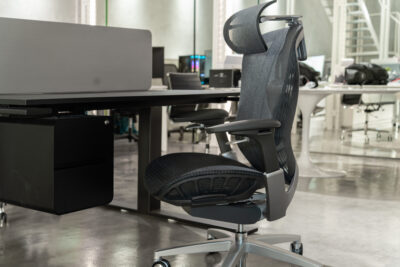
BIFMA-certified ergonomic chairs built for eight to ten hours of daily use last seven to ten years when properly maintained. The higher-density foam, multi-axis lumbar adjustment, and replaceable components are what justify the longer lifespan.
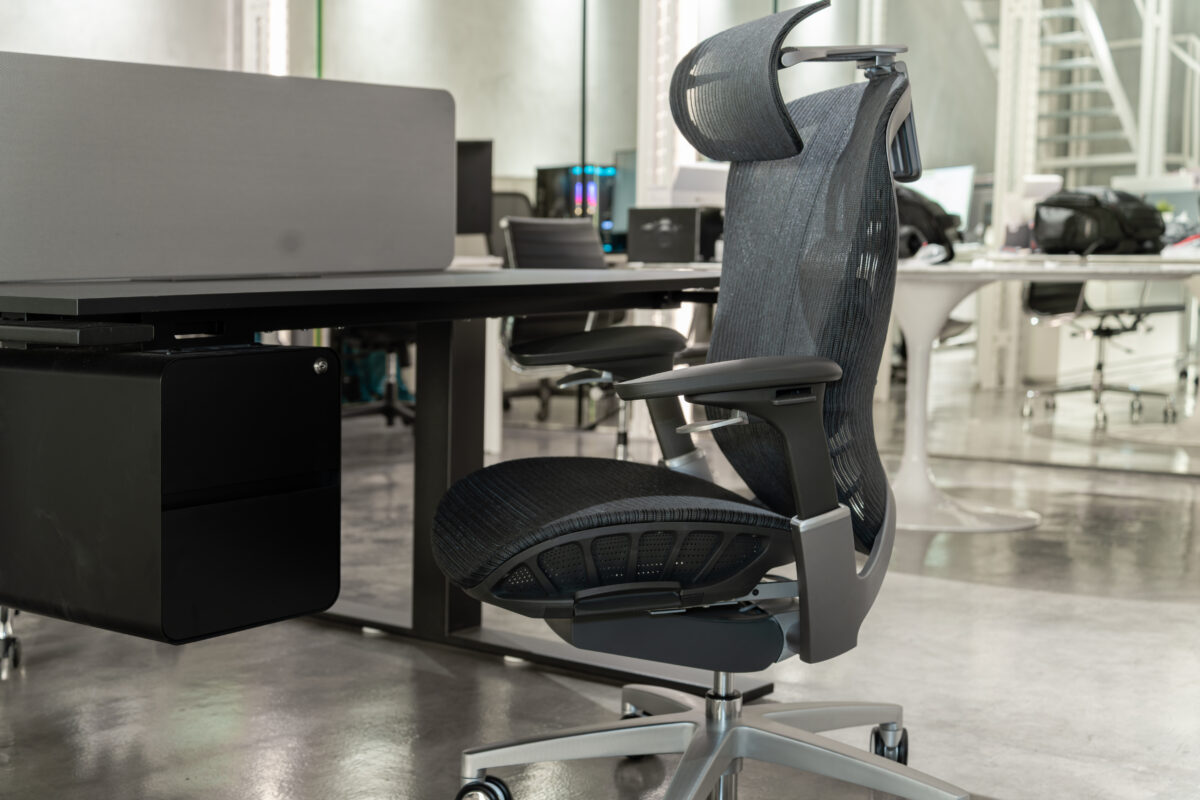
Across fit-outs in DIFC and Abu Dhabi, clients who invested in properly specified ergonomic seating are still using the same chairs at the seven-year mark without significant degradation.
Mesh Chairs
Mesh chairs are popular in UAE offices for their breathability in air-conditioned environments. Quality mesh with SGS or BIFMA certification lasts five to ten years depending on the weave grade and frame construction.
Lower-grade mesh without certification can deteriorate within three to four years as the weave loses its tension and stops providing backrest support. The mesh itself is not always the failure point. It is usually the seat foam cushion and tilt mechanism that go first.
PU Leather and Executive Chairs
Genuine leather executive chairs last ten to fifteen years with periodic conditioning. PU leather, which most mid-range chairs use, lasts five to eight years in moderate climates but significantly less in UAE conditions. The constant cycle between outdoor heat and indoor air conditioning causes PU leather to dry out and crack faster than in temperate markets.
Meeting and Breakout Chairs
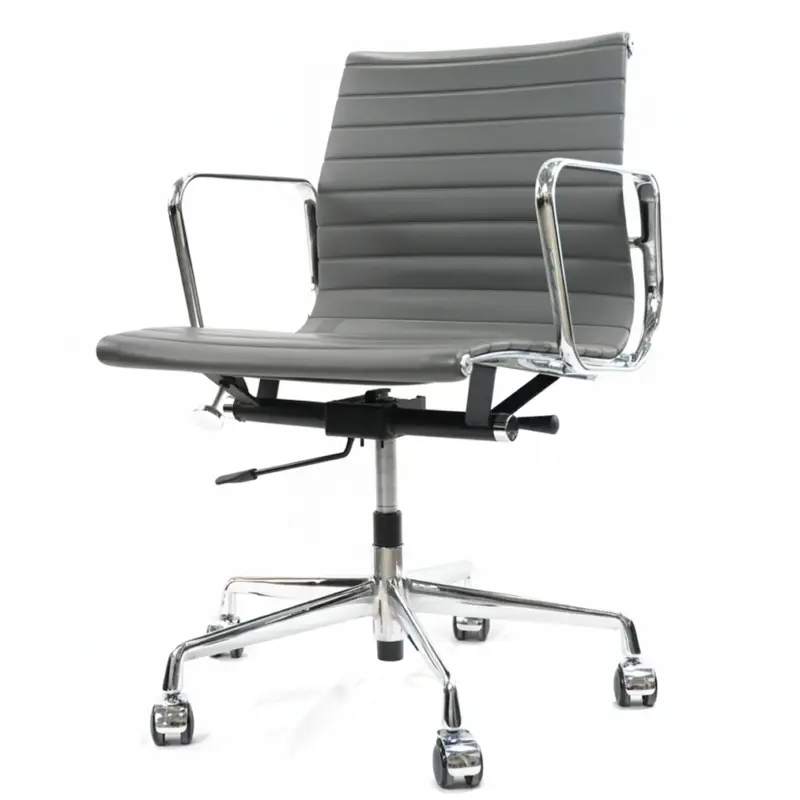
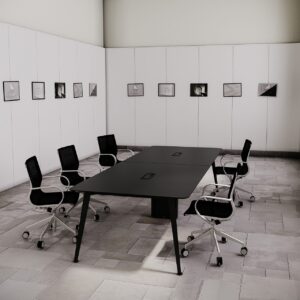
Meeting chairs and pantry chairs are used for shorter sessions than task seating. A mid-range meeting chair used two to three hours daily typically lasts eight to ten years. The wear patterns differ from task seating: castors and upholstery go before the ergonomic mechanisms because the adjustment features are rarely used.
How UAE Conditions Shorten Chair Lifespan
AC Cycling and PU Leather
UAE offices run heavy air conditioning year-round. The constant dry air causes PU leather to crack and peel significantly faster than in moderate climates. A PU leather chair rated for eight years in a UK office may show cracking at year four or five in Dubai. This is a material and environment mismatch, not a maintenance failure.
Humidity and Sunlight
Offices with south or west-facing windows see faster upholstery fading and foam degradation. The humidity fluctuation between outdoors and the air-conditioned interior also affects engineered components in chair bases. Chairs near windows consistently show faster wear than identical chairs positioned away from direct sunlight.
Working Hours
Standard lifespan figures assume eight hours of daily use. UAE professional sectors regularly run to nine or ten. That extra hour or two per day adds 250 to 500 hours of use per year. Over five years that is the equivalent to one or two additional years of wear on the standard timeline.
Signs the Chair Needs Replacing

Foam Has Permanently Compressed
Press down on the seat. If it flattens completely or feels like sitting on the base, the foam has reached the end of its life. Foam degradation cannot be reversed, and no adjustment compensates for it.
Mechanisms No Longer Hold
If the seat sinks shortly after height adjustment, the gas lift cylinder has failed. If the tilt lock does not hold position, the tilt mechanism is worn. Both are replaceable components at a fraction of replacement cost. This is a repair signal, not a replacement one.
Frame or Base Is Cracked
Any structural crack in the base, armrest bracket, or backrest connection is a safety issue. Replace immediately regardless of how functional the rest of the chair still is.
Posture Has Visibly Changed
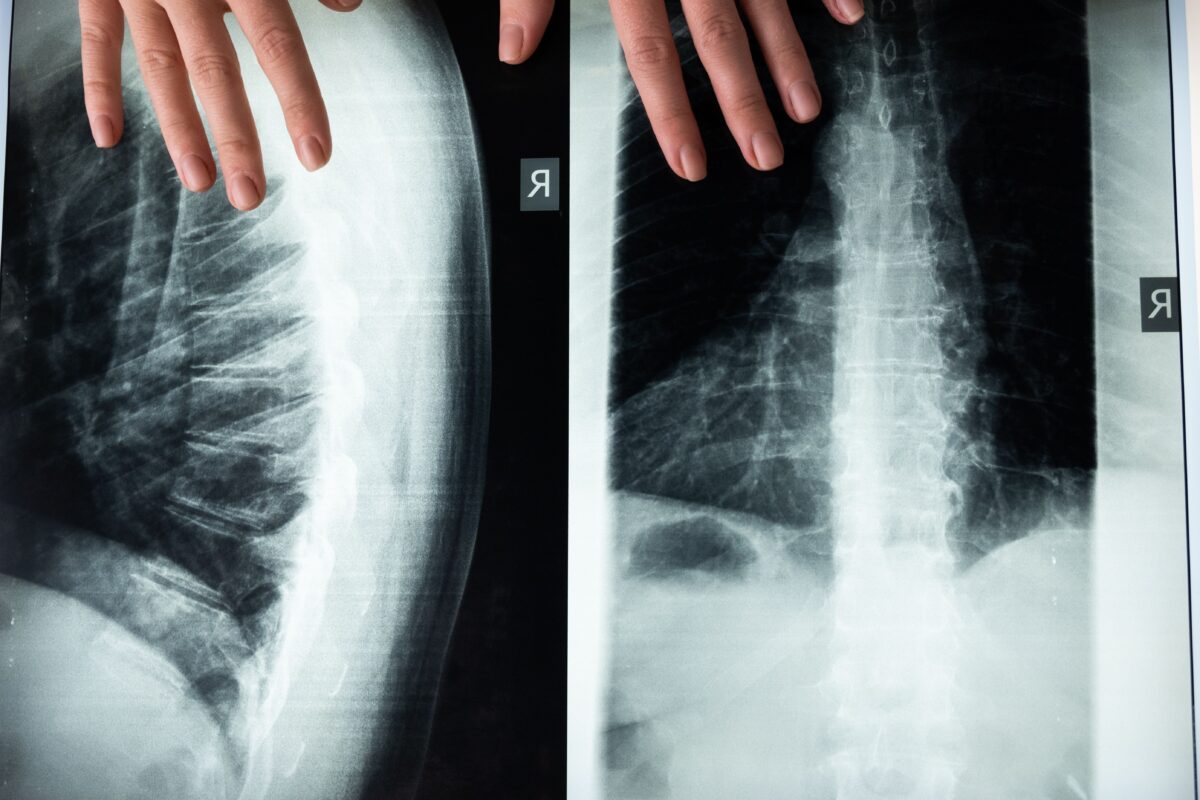
If staff are shifting position frequently, slouching consistently, or reporting new discomfort that was not there six months ago, the chair has lost its ergonomic function. The test is not visual. It is functional.
Repair or Replace: The Decision Framework
If the repair cost exceeds 40 percent of the chair’s replacement value, replace it. If one component has failed but the frame and foam are sound, repair it.
Gas lifts, castors, arm pads, and lumbar cushions are all replaceable on quality chairs. Most UAE suppliers stock common spare parts or can source them within a week.
Where the foam has gone, the frame is cracked, or multiple components have failed together, the chair has reached end of its life. Repairing delays the replacement cost without restoring the ergonomic function your team needs.
Planning Replacements Across a UAE Office
For offices managing ten or more chairs, replace roughly 20 percent of your total inventory per year, starting with the highest-use positions and oldest stock. This spreads the cost and prevents the scenario of replacing everything at once when a wave of chairs fails together.
Track warranty end dates as your planning signal. When the warranty expires, begin annual condition reviews rather than waiting for visible failure. Keep a small stock of replacement castors and arm pads. These wear before the chair itself and cost a fraction of a new chair to replace.
Conclusion
Budget non-ergonomic chairs in high-use UAE positions need replacing every two years. Mid-range chairs every five to seven. A quality ergonomic chair should last the full seven to ten if maintained and kept away from direct sunlight and AC vents.