

Blog
Desk Chair Anatomy: Lumbar Support, Armrests & Tilt
Spinal health is a non-negotiable for quality of life and performance at work. Office workers are no longer accepting back, shoulder, hip, or neck pain as inevitable thanks to growing appreciation of health and wellness. However, they don’t come cheap, so we recommend researching first to make the right decision.
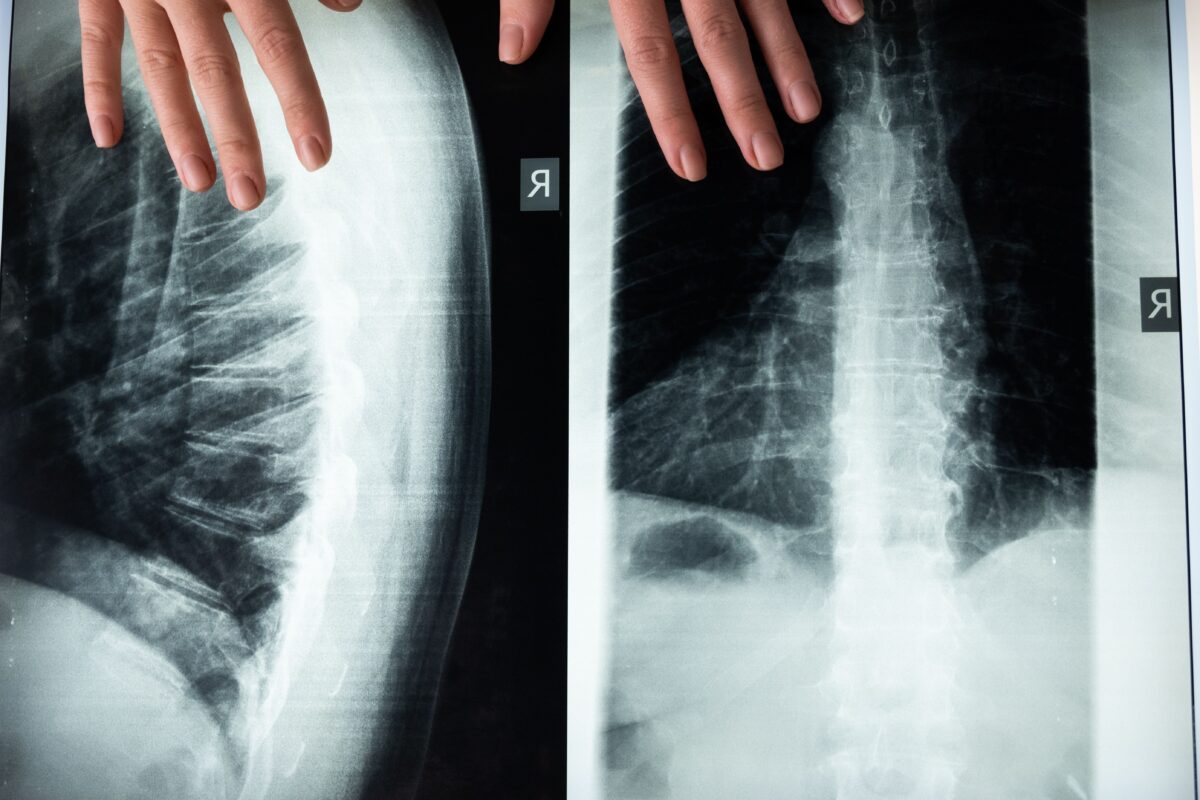
Why You Need to Consider Optimal Desk Chair Anatomy
Hip, spine, and shoulder issues are common but often debilitating complaints among office workers. Anywhere from 40% to 80% complain of musculoskeletal disorders affecting these or other parts of the body. Over time, they can worsen if left alone, leading to poorer quality of life and a greater chance that you’ll have to sign off on medical leave.
How do poor quality office chairs affect musculoskeletal health? Sitting places your back and hips in a flexed position, which strains ligaments and tendons if you sit for too long or with poor spinal support. Loose ligaments and poor muscle activation are common consequences and can lead to chronic pain or reduced physical activity in the long term.
Lumbar Support
Lower back pain is described by the World Health Organization as the most common cause of disability, but the most responsive to rehabilitative treatments. Besides exercise therapy, ergonomic chairs with lumbar support may help. Lumbar support holds your lower back in its correct position, a small convex curve with the pelvis tipped a little forward. Over time, this can improve posture and lead to a long-term reduction in pain. Trying to actively hold your lower back in this position while sitting for long periods may increase pain, so supportive chairs are usually recommended.
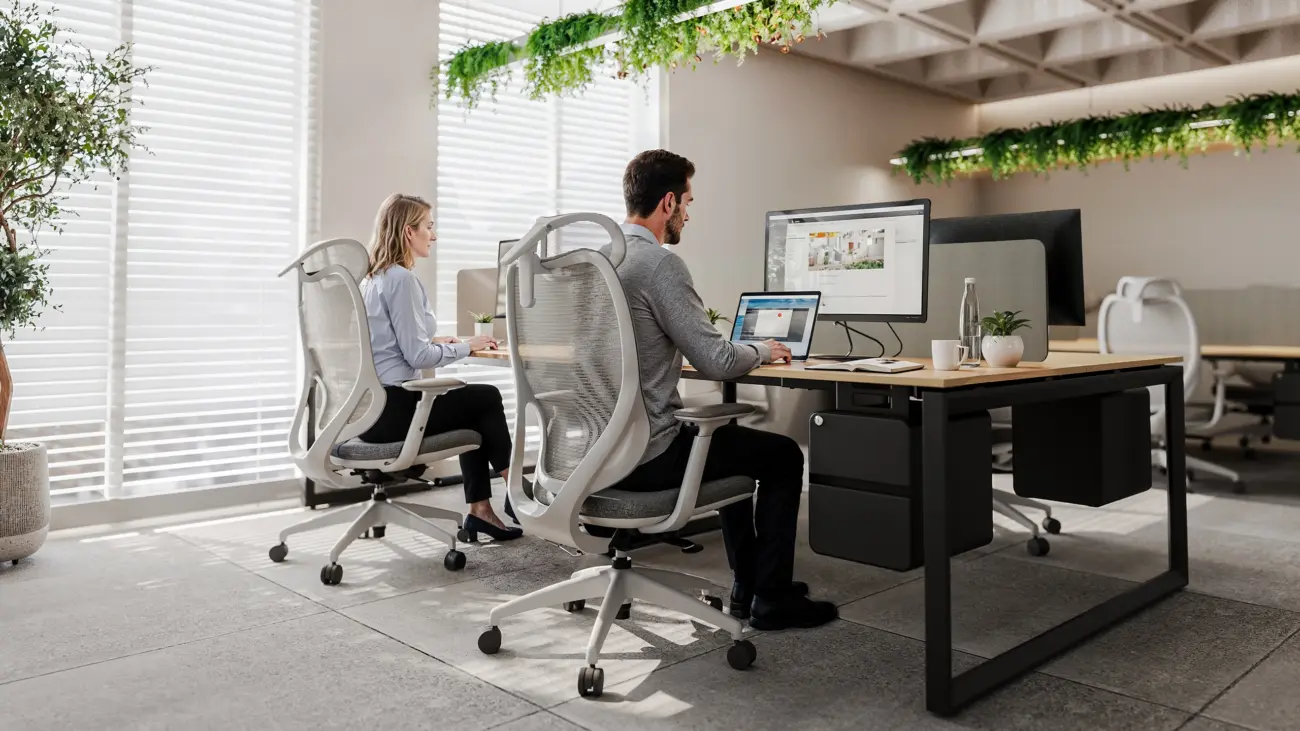
Peer-reviewed research shows that lumbar support can prevent the worsening of chronic lower back pain, reduce everyday discomfort, and relieve perceived fatigue at work. Using a standard pillow or cushion is less effective as they do not fit the natural spinal curve. Memory foam cushions are often the most beneficial, however, as they “learn” to fit the spinal curve and support its maintenance. Another study published in Ergonomics found that lumbar support was more effective than a control chair or a chair providing upper back support in promoting correct posture.
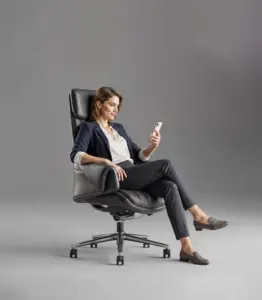
When choosing ergonomic chairs, only buy those made from durable materials to prevent sagging and the loss of its curve. Shoulder and spine position also affect the lower back, so it’s important to choose ergonomic office chairs that support the whole spine and design workspaces that encourage staff to stand and move. Our executive chairs include upper back support for this reason. We also stock plenty of chairs with a swivel function, which are shown in several studies to significantly relieve hip and spine pain among people working long hours.
Armrests
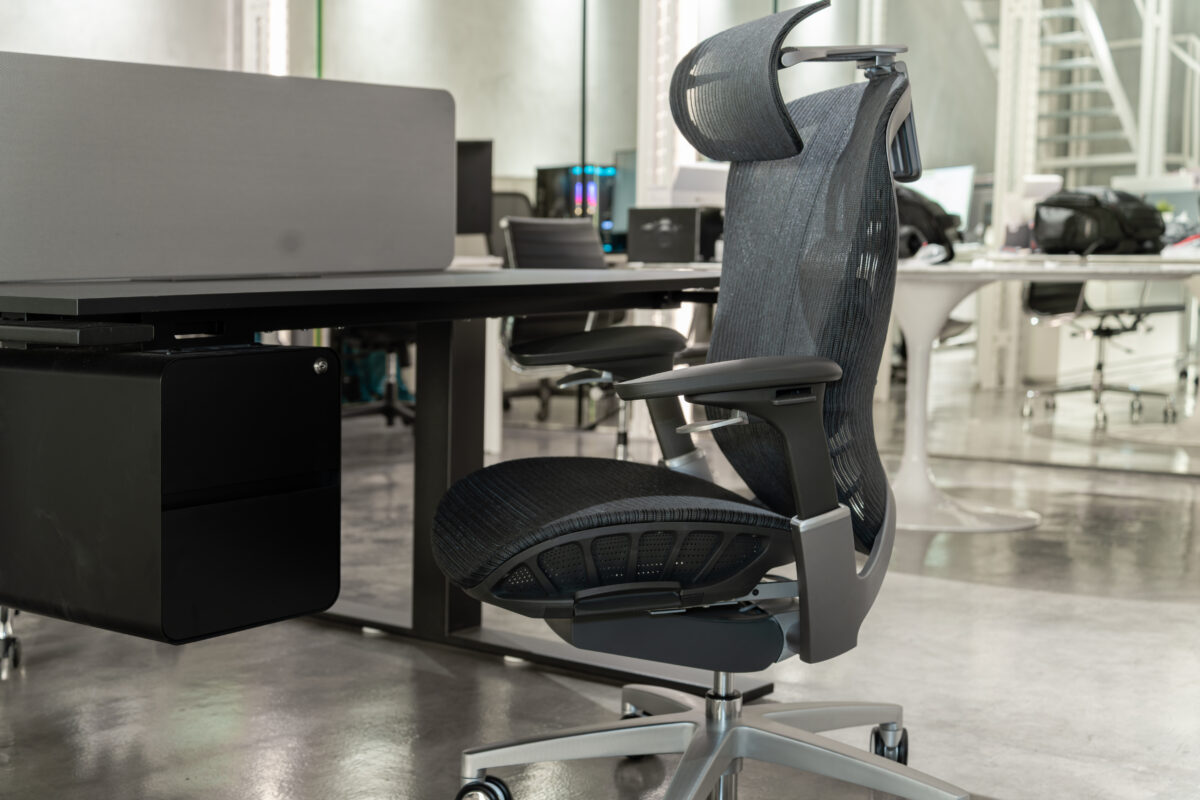
Armrest height and adjustability is another key factor in selecting the best office chairs, as high armrests can push shoulders out of their position and increase muscle strain. Ideally, your elbows should be at a 90-degree angle, and the armrest should only slightly lift your arms to support posture. We recommend choosing office chairs that are adjustable so workers can ensure the correct position for themselves, or move the armrests out of the way when needed.
Seat Tilt
Seat tilt allows users to recline backwards. While you may be thinking of tilting your chair back to take a power nap right now, some degree of backwards tilt is necessary for spinal health. A bolt upright position of 90 degrees may actually contribute to spinal disc compression and strain back muscles. It’s best to have a small tilt of 100-110 degrees to open the hip angle. Some people prefer angles of 115-120 degrees when reading. The correct seat pan tilt can benefit the sacral tilt angle at very bottom of the spine, preventing lower back and hip issues while promoting a neutral, healthy back posture.
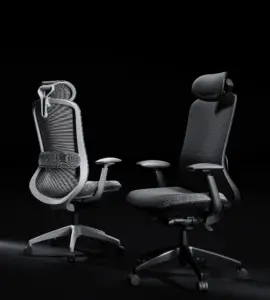
The anatomy of your perfect desk chair will support your anatomy and may help prevent musculoskeletal disorders along with subsequent lost productivity. That’s why all of our task and executive chairs at Urban 411 include lumbar support, ergonomic armrests, and adjustable tilts. To explore our range, click here.